-

Arabic
-
English
-
French
-
Malagasy
-
Portuguese
-
Russian
-
Spanish
-
Thai



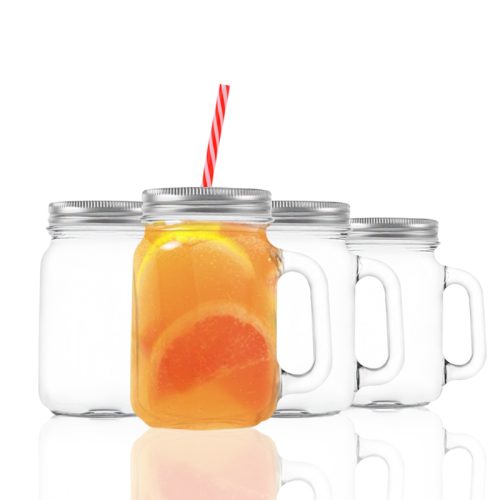
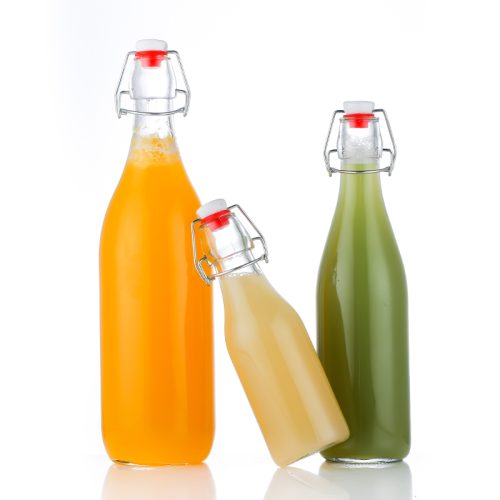
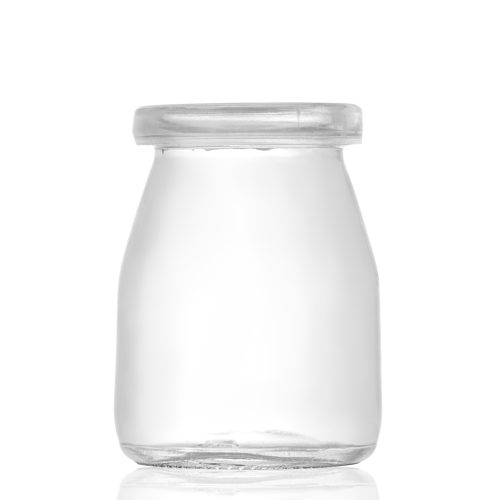
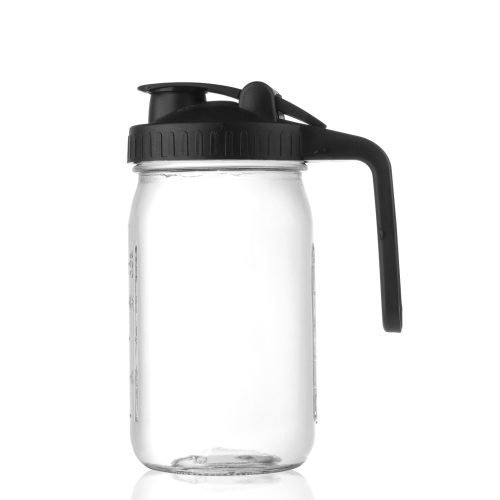



A glass bottle's neck finish — not its shape, color, or capacity — is what actually determines which caps, pumps, or closures will fit it. Get the finish code wrong and you'll end up with a warehouse full of bottles and a separate warehouse full of caps that simply won't thread together. This guide walks through the neck finish numbering system, the most common finishes buyers order, and how to check compatibility before you commit to a production run.
What a Neck Finish Number Actually Means
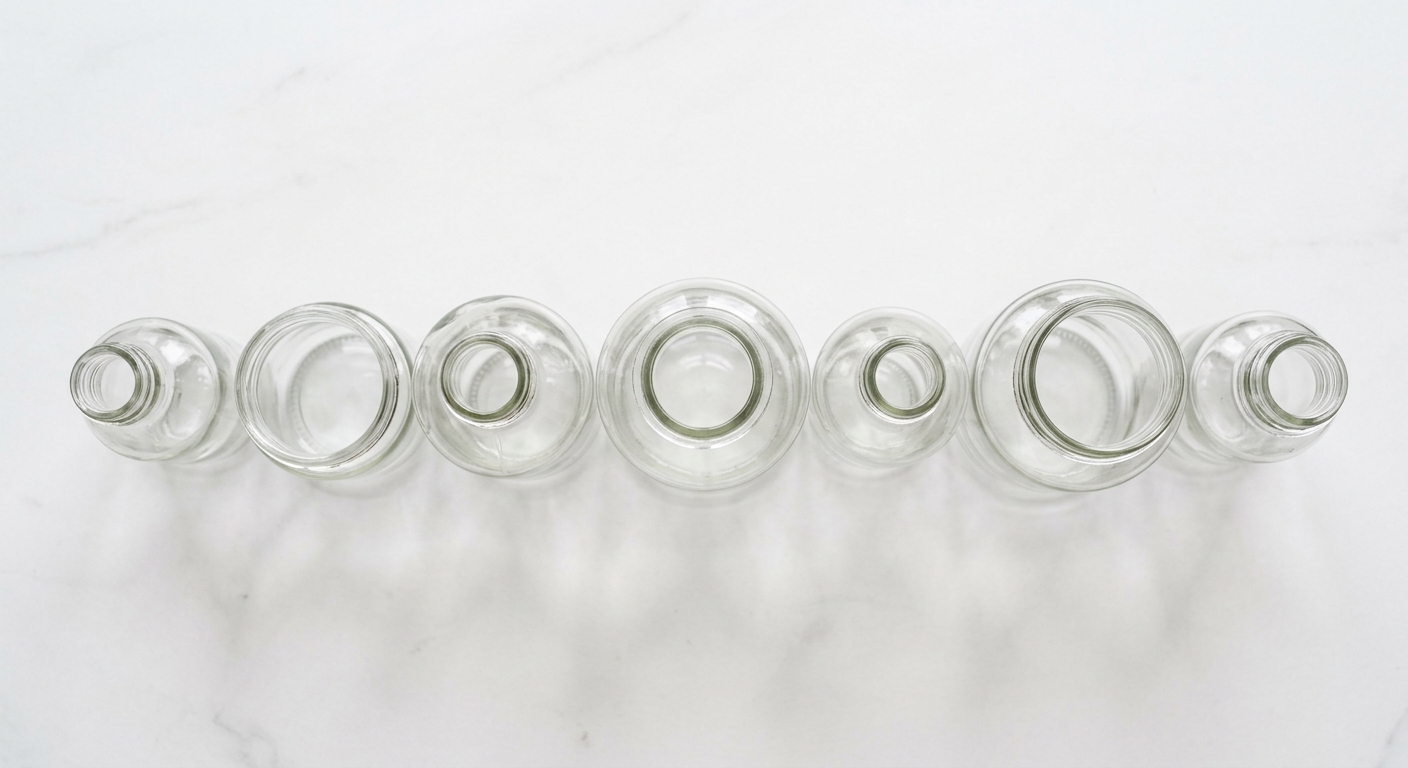
Most neck finishes follow the GPI (Glass Packaging Institute) or SPI numbering convention, written as two numbers separated by a hyphen — for example, 24-400. Here's the part most first-time buyers get wrong: the first number is not the thread size, it's the outer diameter of the finish in millimeters. The second number is a code referring to the thread style, finish height, and sealing surface — 400, 410, 415, 425 are the most common series.
So a 24-400 and a 24-410 have the same diameter but different thread heights, which means a cap designed for one won't necessarily seat properly on the other. This is the single most common mistake we see from buyers switching suppliers — they assume “24mm is 24mm” and order caps separately from a different vendor. It rarely ends well.

The Most Common Finishes You'll Actually Order
You don't need to memorize the entire GPI catalog. In practice, over 80% of wholesale orders fall into a handful of finish families:
- 18-400 / 20-400 — small perfume, essential oil, and dropper bottles, typically 5ml to 50ml.
- 24-400 / 28-400 — the workhorse finishes for sauces, syrups, spirit miniatures, and juice bottles.
- 24-410 / 28-410 — taller thread height, used almost exclusively where a pump or lotion dispenser needs extra engagement to avoid loosening during shipping.
- 33-400 / 38-400 — wide-mouth jars for honey, jam, and spices where a spoon or scoop needs to fit through the opening.
If you're sourcing food packaging, our guide to choosing juice bottle size and material and our breakdown of wholesale jam jars both touch on how finish selection ties into fill speed and shelf presentation.
Cork, Crown, and ROPP: The Non-Threaded Finishes
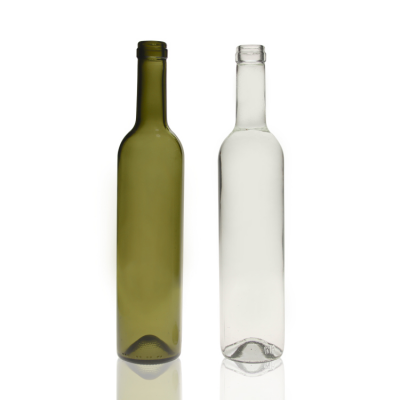
Not every closure screws on. Wine bottles use a cork finish — a smooth, slightly tapered neck with no threads at all, relying on the cork's compression fit and a tightly controlled internal diameter tolerance (usually ±0.2mm). Too loose and the cork weeps; too tight and your bottling line jams.
Beer and craft soda typically use a crown finish, a 26mm neck with a bead designed for a crimped metal cap. The bead height has to be exact — even 0.3mm off and the crimping machine either fails to seal or cracks the glass under pressure.
Spirits and premium olive oil brands often specify ROPP (roll-on pilfer-proof) finishes at 28mm or 31.5mm, where a soft aluminum cap is rolled onto threads at the filling line, creating a tamper-evident band that snaps when first opened. If you're developing a spirits line, it's worth reading how one European spirits brand developed a signature bottle from scratch, since neck finish and closure choice were part of that entire design process, not an afterthought.

Where Buyers Get Burned: Mismatched Suppliers
Here's a scenario we see constantly: a distributor sources bottles from one factory and closures from another to save a few cents per unit. On paper the finish codes match — both say 24-400. In practice, tolerances vary slightly between manufacturers, and a cap that's a hair too small will leak under pressure testing, while one that's too large won't seal at all.
For example, a mid-size sauce brand once ordered 28-400 bottles from us and sourced pumps separately from a domestic supplier. The pumps fit visually but failed a drop test — the seal wasn't tight enough for the retort process their sauce required. Switching to a matched bottle-and-closure set from a single verified source solved it in one production cycle.
The lesson: always request a physical sample of bottle and closure together before committing to bulk. A CAD drawing match is not the same as a verified fit under real filling and capping conditions.

Thread Height, Bead Diameter, and Other Numbers That Matter
Beyond the finish code itself, three measurements decide whether a closure works reliably at scale:
Thread Engagement Height
This determines how many full turns the cap makes before it seats. Too few threads and the cap can back off during transport vibration — a real problem for export shipments crossing multiple ports and truck transfers.
Bead and Land Diameter
The bead is the raised ring below the threads that many closures seal against, rather than the very top of the glass. If your cap relies on a liner sealing against the bead rather than the finish top, that bead diameter tolerance becomes critical.
Finish Height (H dimension)
Too tall and pumps or dispensers may not engage the dip tube properly; too short and the cap may not fully seat, leaving a gap that invites contamination or leakage during transit.
How to Communicate Finish Requirements to Your Manufacturer
Skip the guesswork — provide your manufacturer with either the exact GPI/SPI code or a physical sample bottle and closure. If you're developing something outside the standard catalog, note that custom glass bottle design projects allow finish dimensions to be engineered specifically around a closure you've already selected, rather than the reverse.
For bulk buyers working across multiple bottle types — say, a distributor stocking both amber glass bottles for pharma-adjacent products and clear jars for food — it's worth standardizing on a small set of finish codes across your catalog. Fewer finish variations means fewer closure SKUs to manage, faster reorders, and less risk of a warehouse mix-up down the line.