-

Arabic
-
English
-
French
-
Malagasy
-
Portuguese
-
Russian
-
Spanish
-
Thai




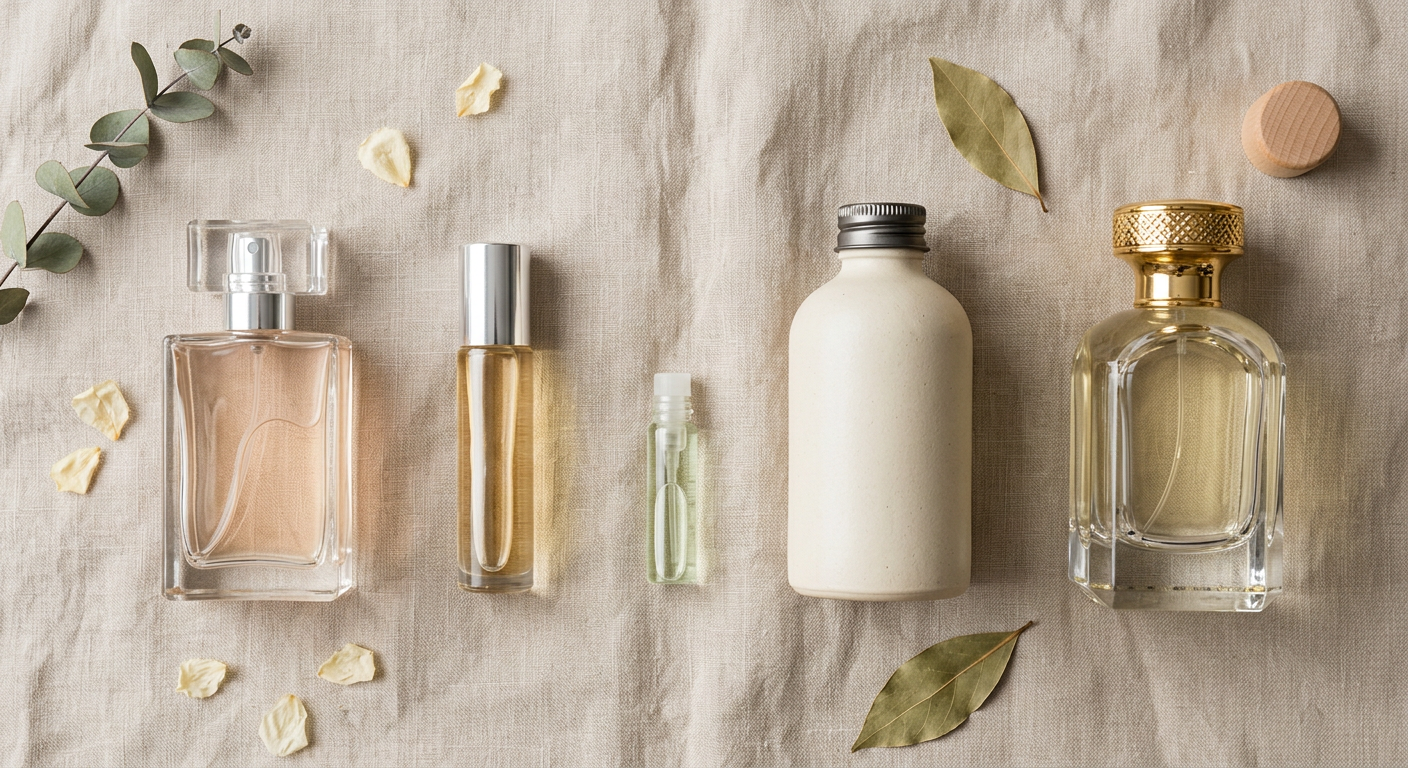
If you're sourcing perfume bottles, the right format depends on your channel and price point: spray bottles for mainstream retail (30–100 ml), roll-ons for travel and affordability (5–15 ml), minis for sampling and gifting, refillables for sustainability-driven brands, and luxury formats for prestige positioning. Each format has very different tooling costs, MOQs, and decoration possibilities — and choosing the wrong one can erode margin before your fragrance ever reaches a shelf. This guide breaks down all five, with real cost ranges, use cases, and the questions to ask your supplier before you commit.
Spray Bottles: The Retail Workhorse
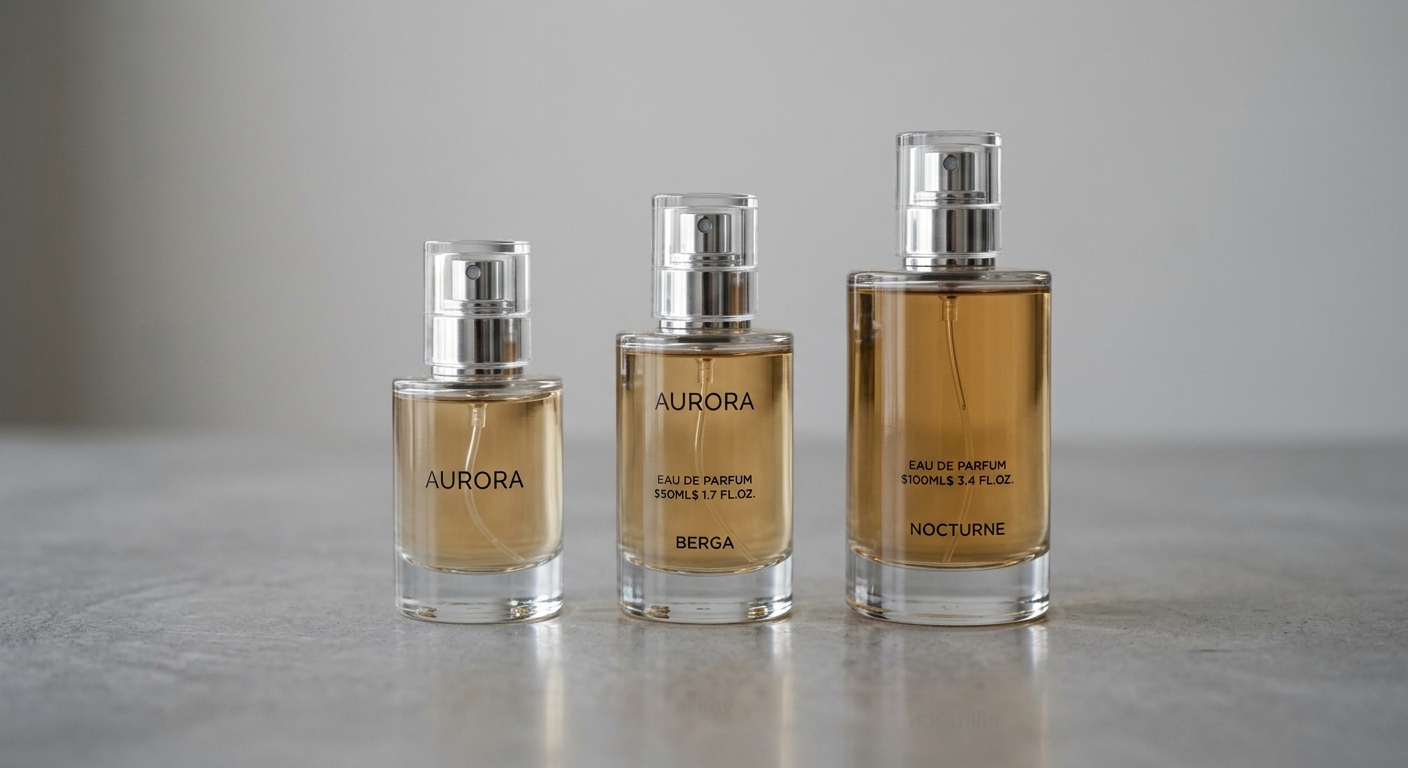
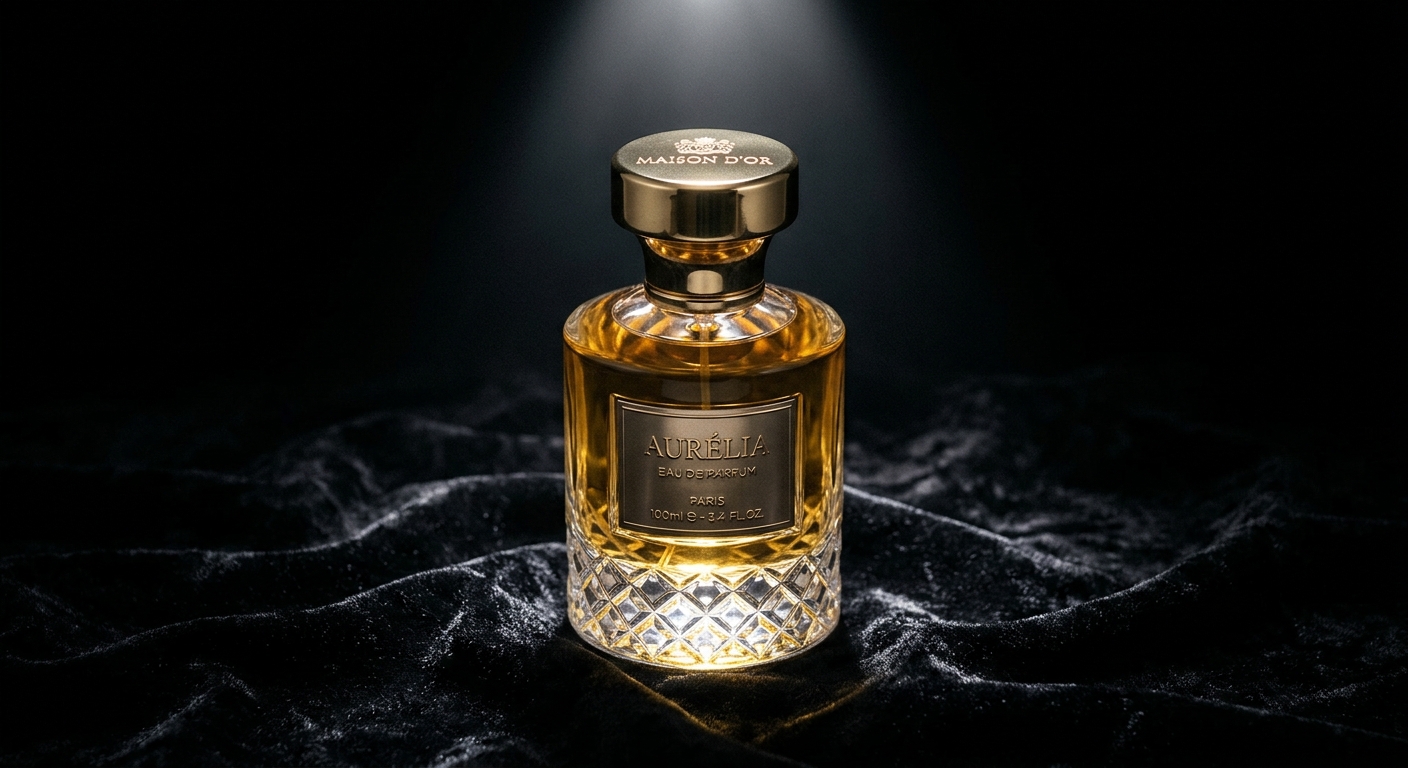
Spray bottles are the default for a reason — they deliver a consistent mist, protect the juice from oxidation between uses, and photograph beautifully for e-commerce. Most fragrance houses build their core SKUs around 30 ml, 50 ml, and 100 ml spray formats with a crimp-on FEA15 pump.
What to specify
- Neck finish: FEA15 is the global standard. Confirm the supplier matches your pump vendor's spec sheet exactly — even a 0.2 mm tolerance issue causes leakers.
- Glass weight: A 50 ml bottle can range from 90 g (economy) to 180 g (premium feel). Heavier glass signals quality but raises freight cost.
- Base thickness: Ask for a minimum 8 mm base for thick-walled premium looks.
For example, an indie niche brand launching in Sephora's accelerator program might order 15,000 units of a 50 ml flint glass spray bottle with a matte spray coating and hot-stamped logo — landing around $1.10–$1.40 per unit including decoration. The same shape with a heavier base and metallized cap can push past $2.50.
Roll-On Bottles: Travel-Friendly and Margin-Friendly
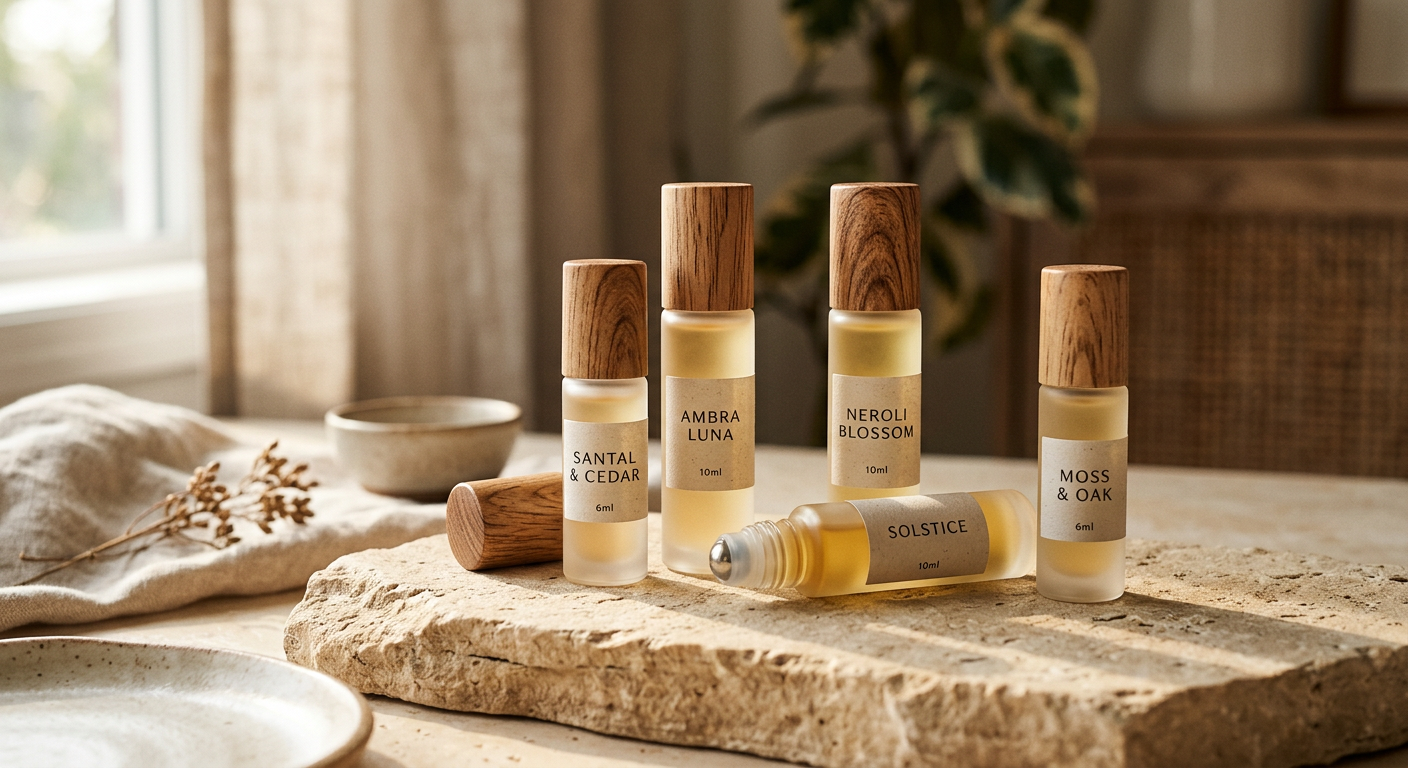
Roll-ons skip the pump assembly entirely, which slashes both unit cost and shipping headaches. A roller ball — usually stainless steel or PP — sits in a plastic fitment that snaps into the bottle neck. Capacity sweet spots: 5 ml, 8 ml, 10 ml, and 15 ml.
Where roll-ons win is portability. They're TSA-friendly, leak-resistant when sealed properly, and ideal for oil-based fragrances and concentrated parfum extraits. The trade-off: application is slower and the format reads as “everyday” rather than ceremonial.
Decoration considerations
Small surface area limits what you can print. Frosting works beautifully on roll-ons because it hides finger smudges in a purse or pocket. If you want a colored bottle, consider colored glass options like blue or amber rather than spray coating — coatings can scrape over time from being thrown in handbags.
A real-world fit: a wellness brand selling botanical perfume oils through yoga studios chose 10 ml frosted glass roll-ons with a bamboo cap. Total decorated cost landed near $0.85/unit at a 10,000-piece run.
Mini and Sample Bottles: The Acquisition Engine
Sample bottles aren't a product — they're a marketing tool. The math is simple: it costs a fragrance brand $5–$15 in digital ad spend to acquire a customer, but a 2 ml sample landed in their hand converts 4–8x better than a banner ad.
Common formats
- 1.5 ml dab-on vials — cheapest, often glued. ~$0.08–$0.15/unit decorated.
- 2 ml mini sprayer — full atomizer experience, ~$0.30–$0.50/unit.
- 5 ml “discovery set” bottles — premium sampling, often sold as kits.
The biggest mistake we see: brands order samples in tiny quantities at a high per-unit cost, then can't afford to seed them widely. If you're running a sampling program, plan for 50,000–100,000 units minimum and treat them as a CAC line item, not a packaging line item.
Production-wise, minis run fast — most molded glass sample vials ship in 25–30 days from a high-volume line. For brands that need flint clarity in such a small format, our notes on flint vs. extra-flint glass clarity grades are worth a read since impurities show much more visibly at 2 ml scale.
Refillable Bottles: The Sustainability Play
Refillables used to be a niche eco-positioning move. In 2026, they're mainstream — major houses including Mugler, Chloé, and YSL all run refill stations or refill SKUs, and consumers increasingly expect the option.
Two refill architectures
- Twist-off pump refillable: The crimp pump is replaced with a screw-thread pump that the customer can remove and reattach. Slightly higher tooling cost but mechanically simple.
- Magnetic cartridge system: A pre-filled inner cartridge clicks into a luxury outer shell. Higher unit cost but premium experience and excellent for boutique refill stations.
The catch? Refillables only work environmentally if customers actually refill them. Industry data shows roughly 30–40% of refillable perfume buyers complete at least one refill — better than nothing, but worth designing your refill SKU price (typically 60–70% of the original) to genuinely incentivize the behavior.
If you're considering pivoting toward refillable systems, look at our perfume bottle wholesale options — many of our standard 50 ml and 100 ml shapes can be specified with refill-compatible necks at no tooling premium.
Luxury Format Bottles: Designed for the Shelf, Built for the Mantelpiece
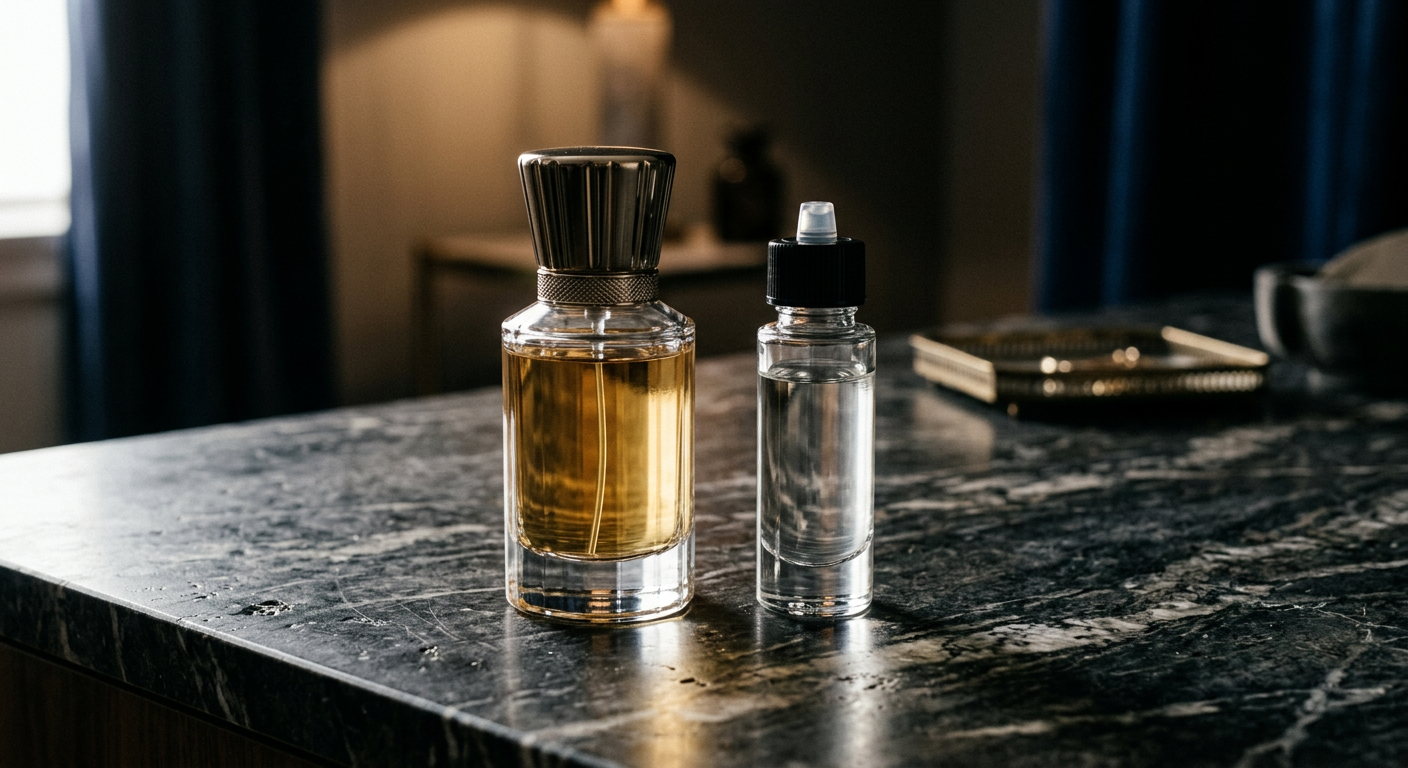
Luxury perfume bottles aren't packaging — they're objects. A Tom Ford Private Blend or a Creed Aventus bottle is designed to look intentional on a vanity for years. That changes everything about how it's made.
What separates luxury production
- Private molds: Custom shapes require dedicated tooling — typically $8,000–$25,000 for a perfume bottle mold, amortized over the launch run.
- Heavy base with thick walls: A “luxury” 100 ml bottle often weighs 250–400 g, vs. 150 g for a standard one.
- Premium closures: Surlyn caps (a clarity-grade ionomer) cost 3–5x more than ABS or PP caps but feel weighted and never yellow.
- Decoration stack: Inside spraying for opaque color, outside metallization for accent bands, hot-stamping for logo. Each pass adds cost and lead time.
Realistic numbers: a fully decorated luxury 100 ml bottle with custom mold, Surlyn cap, two-color spray, and hot-stamped emblem typically lands at $4.50–$8.00/unit at 10,000-piece runs, dropping toward $3.00 at 50,000+. We covered a full luxury development cycle in our case study on building a signature bottle from scratch — the perfume process follows nearly identical milestones.
Side-by-Side Comparison
Here's how the five formats stack up across the criteria that matter most when you're scoping a new launch or extending an existing line:
| Criteria | Spray | Roll-On | Mini/Sample | Refillable | Luxury |
|---|---|---|---|---|---|
| Typical capacity | 30–100 ml | 5–15 ml | 1.5–5 ml | 30–100 ml | 50–250 ml |
| Unit cost (bulk) | Low–Mid | Low | Very Low | Mid–High | High |
| Closure type | Crimp pump | Roller ball | Mini sprayer or dab | Magnetic or screw refill | Surlyn cap, FEA15 pump |
| Best channel | Retail, e-commerce | Travel, gifting | Sampling, GWP | DTC subscriptions | Department stores, duty-free |
| Decoration options | Spray coating, print | Frosting, print | Basic print | Embossing, coating | Hot stamp, metallization |
| MOQ (typical) | 10,000 | 5,000 | 20,000 | 10,000 | 5,000–10,000 |
| Lead time | 30–40 days | 25–35 days | 25–30 days | 40–55 days | 50–70 days |
| Sustainability score | Medium | Medium | Low | High | Medium–High |
How to Match Format to Brand Stage
The right format isn't just about the product — it's about where your brand is. A blunt framework we share with first-time fragrance founders:
Early-stage / first launch
Pick a stock 30 ml or 50 ml spray bottle in flint glass. Use spray-coating and a custom screen-printed logo instead of custom molds. Total tooling investment: under $2,000. You can pivot designs after the first 5,000 units sell through.
Growth stage / proven SKU
Now you can justify a private mold. Move your hero scent to a custom bottle, and add roll-on travel sizes and 2 ml samplers as line extensions. This is also the right moment to introduce a refill SKU if your customer base skews sustainability-conscious.
Prestige / department-store ambition
Heavy glass, Surlyn caps, multi-pass decoration, and a coordinated mini/travel/full-size architecture. Expect 60–90 day lead times and 6+ months of design iteration before first shot.
A common trap: spending luxury-tier money on a stage-one brand. We've seen indie founders sink $40,000 into custom molds before they've validated demand, then run out of marketing budget. The cheapest, fastest path to validation is always a stock bottle with great decoration.
Decoration Choices That Change the Format's Identity
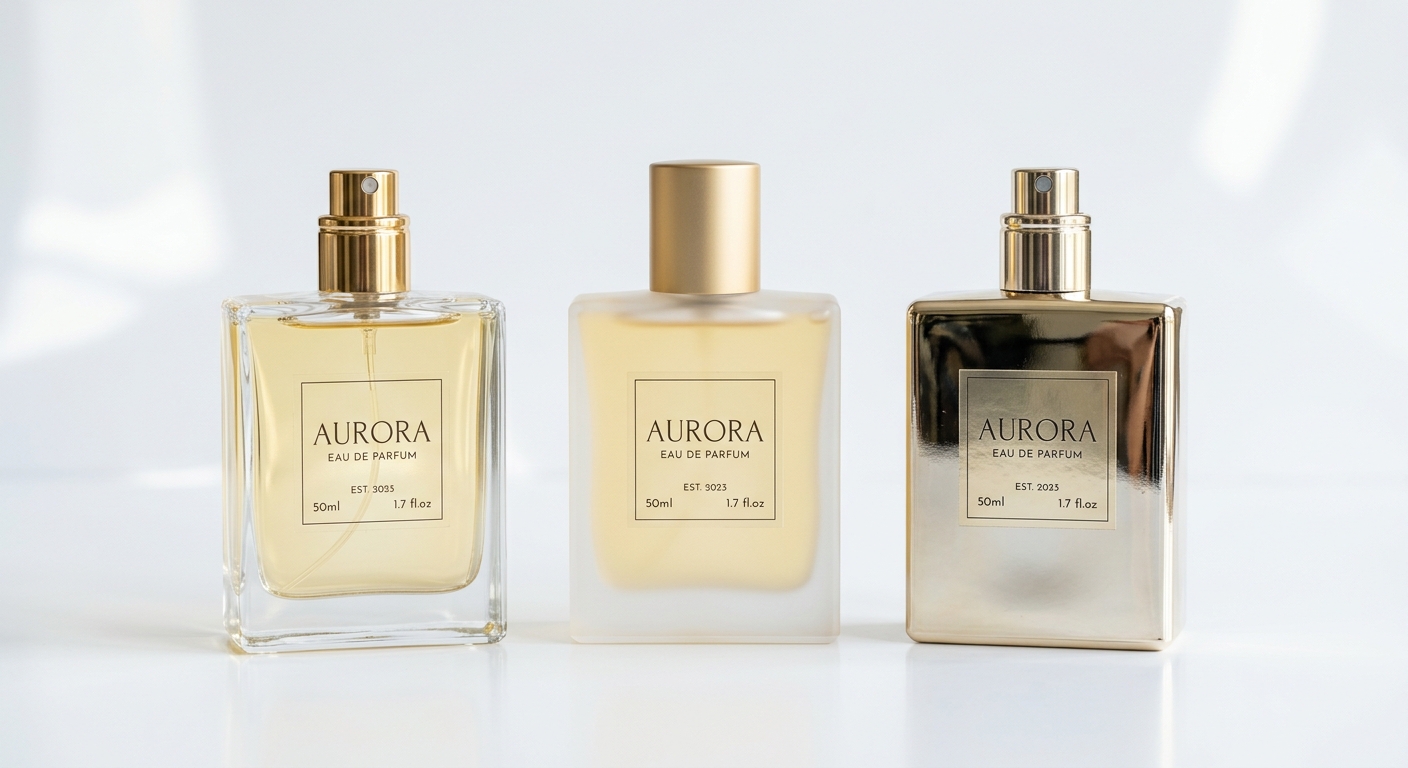
The same blank glass shape can read as drugstore or luxury depending entirely on decoration. Here's what each technique actually does:
- Spray coating (inside or outside): Solid color finish. Inside coating leaves the outside surface glassy; outside coating allows matte or soft-touch finishes. ~$0.15–$0.40 per bottle.
- Frosting: Acid-etched or sandblasted texture. Hides fingerprints, diffuses light. ~$0.10–$0.25 per bottle.
- Hot stamping: Metallic foil pressed onto glass with heat. Best for crisp logos in gold, silver, or copper. ~$0.08–$0.20 per pass.
- Screen printing: Ink directly onto glass. Cheap, durable, but limited to flat or gently curved surfaces. ~$0.05–$0.15 per color.
- Metallization (vacuum): Mirror-like metallic finish, premium look. ~$0.30–$0.80 per bottle.
- Embossing: Raised glass detail formed in the mold itself. Free per unit once tooled, but adds to mold cost.
A practical example: a brand using the exact same 50 ml stock bottle ran two SKUs — one with screen-printed text only ($1.05/unit total) and one with inside spray coating plus hot-stamped logo and metallized cap collar ($2.40/unit total). The second SKU retailed for $30 more. The packaging delta was $1.35.
Putting It All Together
If you remember one thing: choose your format based on channel first, brand stage second, and aesthetic third. A 50 ml spray bottle in flint glass with smart decoration will serve 80% of brands launching today. Add roll-ons and minis as line extensions, layer in refillables when you have a base to refill from, and reserve luxury formats for when you've earned the shelf space to justify them.
Packafill manufactures the full range covered above — from 2 ml sampler vials to 200 ml luxury bottles — with in-house decoration including frosting, coating, hot stamping, and metallization. If you'd like to discuss specs, samples, or a private mold for an upcoming launch, our team can put together a quote with realistic timelines and MOQ options that fit your stage. Reach out through our blog hub or contact us directly for a sample kit.