-

Arabic
-
English
-
French
-
Malagasy
-
Portuguese
-
Russian
-
Spanish
-
Thai




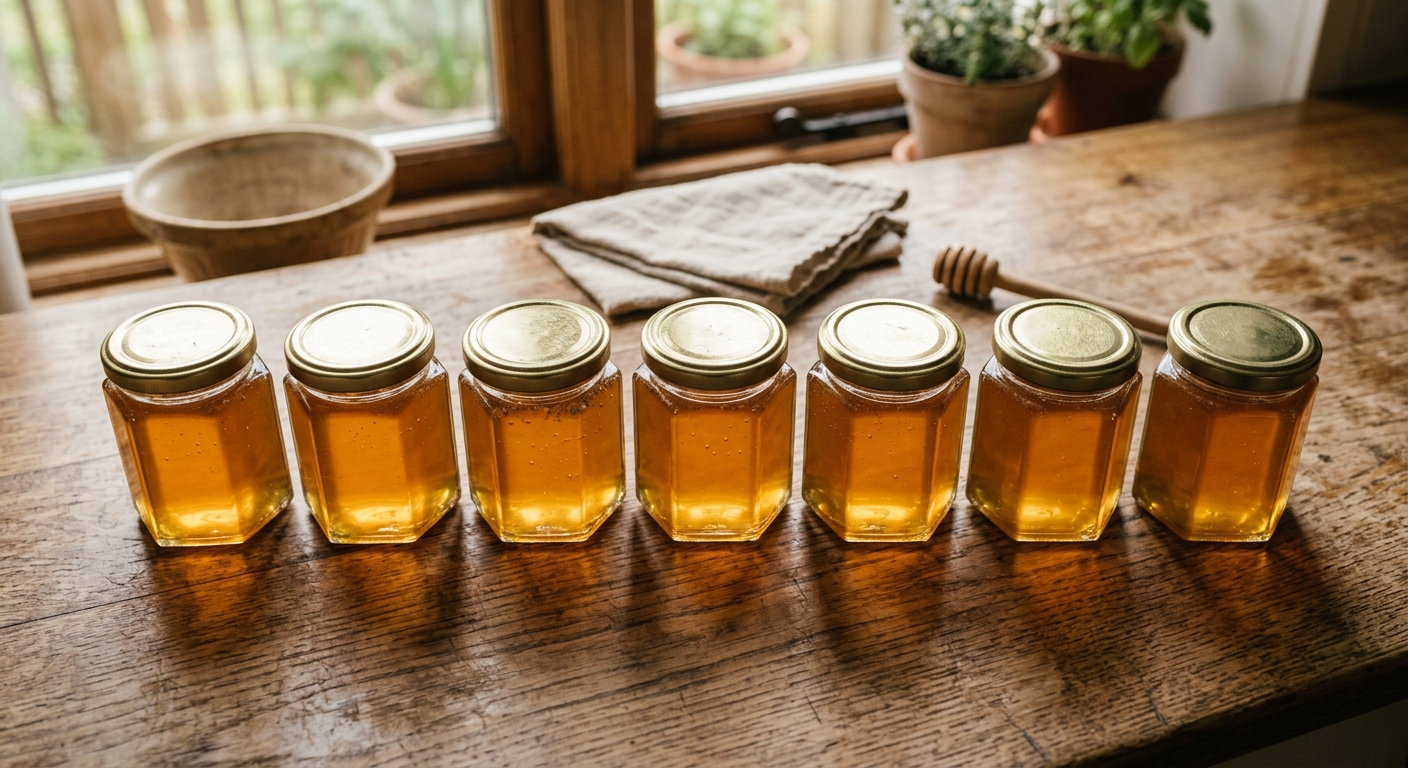
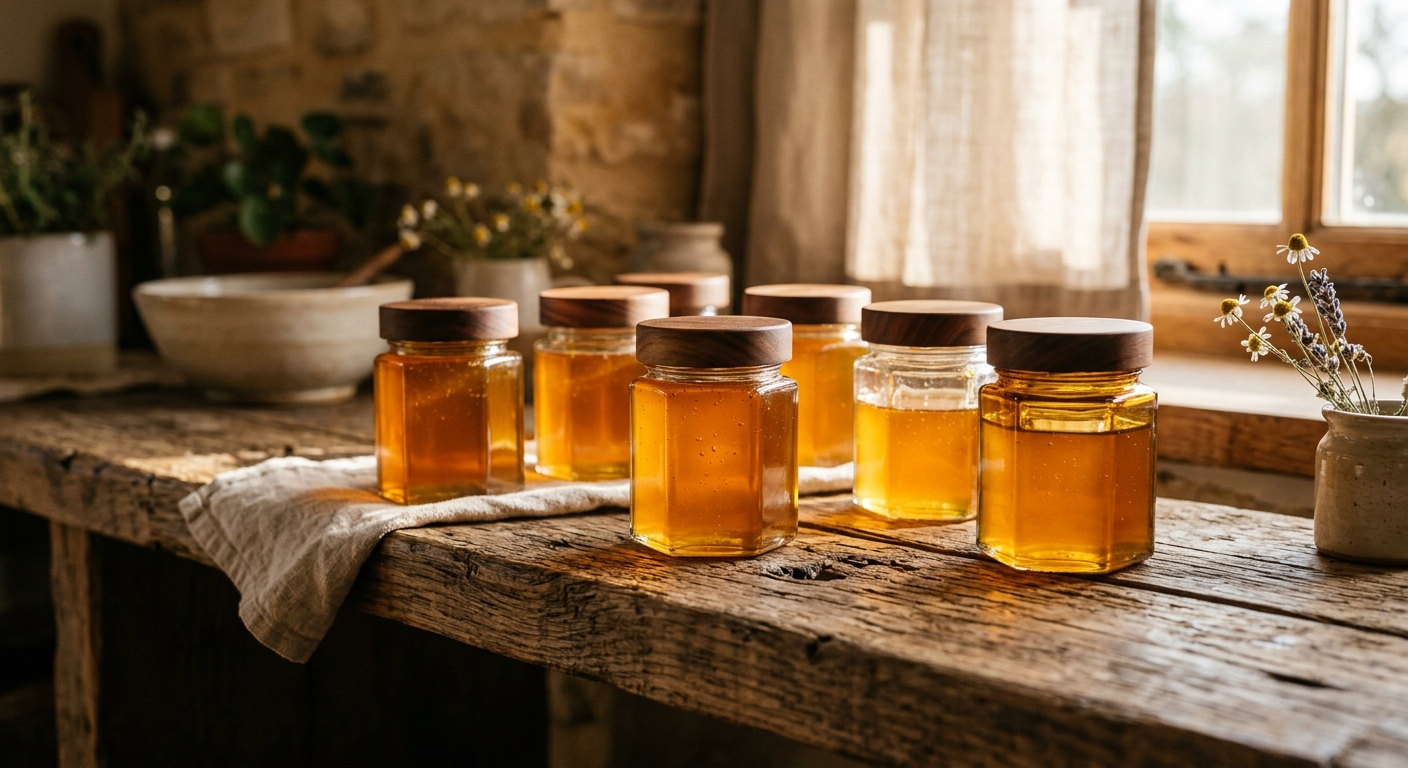
Honey brands are moving to glass hex jars because plastic squeeze bottles undersell the product — literally. Glass doesn't absorb honey's aroma, doesn't cloud or scratch over time, and signals 'premium' the second it hits a shelf, which lets brands charge more and get repeat buyers. The hexagon shape adds a distinctive, almost apiary-inspired silhouette that plastic simply can't replicate without looking cheap.
Plastic Was Never Really About the Honey — It Was About Convenience
Squeeze bottles took over honey aisles in the 2000s for one reason: mess control. No drips, no sticky jar lids, easy for kids' lunchboxes. That's a real benefit. But convenience packaging and premium positioning rarely coexist, and honey brands trying to move upmarket are finding that out the hard way.
Here's the uncomfortable truth: consumers associate squeeze bottles with supermarket private-label honey, the $4 bear-shaped stuff. If your brand story is about single-origin nectar, raw unfiltered texture, or small-batch beekeeping, a plastic bottle actively works against that narrative. Glass hex jars, by contrast, read as artisanal before a customer even reads the label.
The Taste and Odor Transfer Problem Nobody Talks About
Plastic is porous at a molecular level, even the food-grade PET and HDPE used for squeeze bottles. Over months of shelf life — and honey has a long one — plastic can absorb faint odors from warehouses, trucks, and even the honey's own volatile compounds, subtly altering flavor perception. Glass is chemically inert. It holds zero flavor memory from anything it's ever touched.
Why This Matters More for Raw and Flavored Honey
Raw, unpasteurized honey and flavor-infused varieties (lavender, cinnamon, chili-infused) are especially sensitive. A cinnamon-honey brand switching to glass reported fewer customer complaints about 'off' aftertastes within two batches — not because the recipe changed, but because the packaging stopped interfering.
Crystallization Looks Bad in Plastic, Charming in Glass
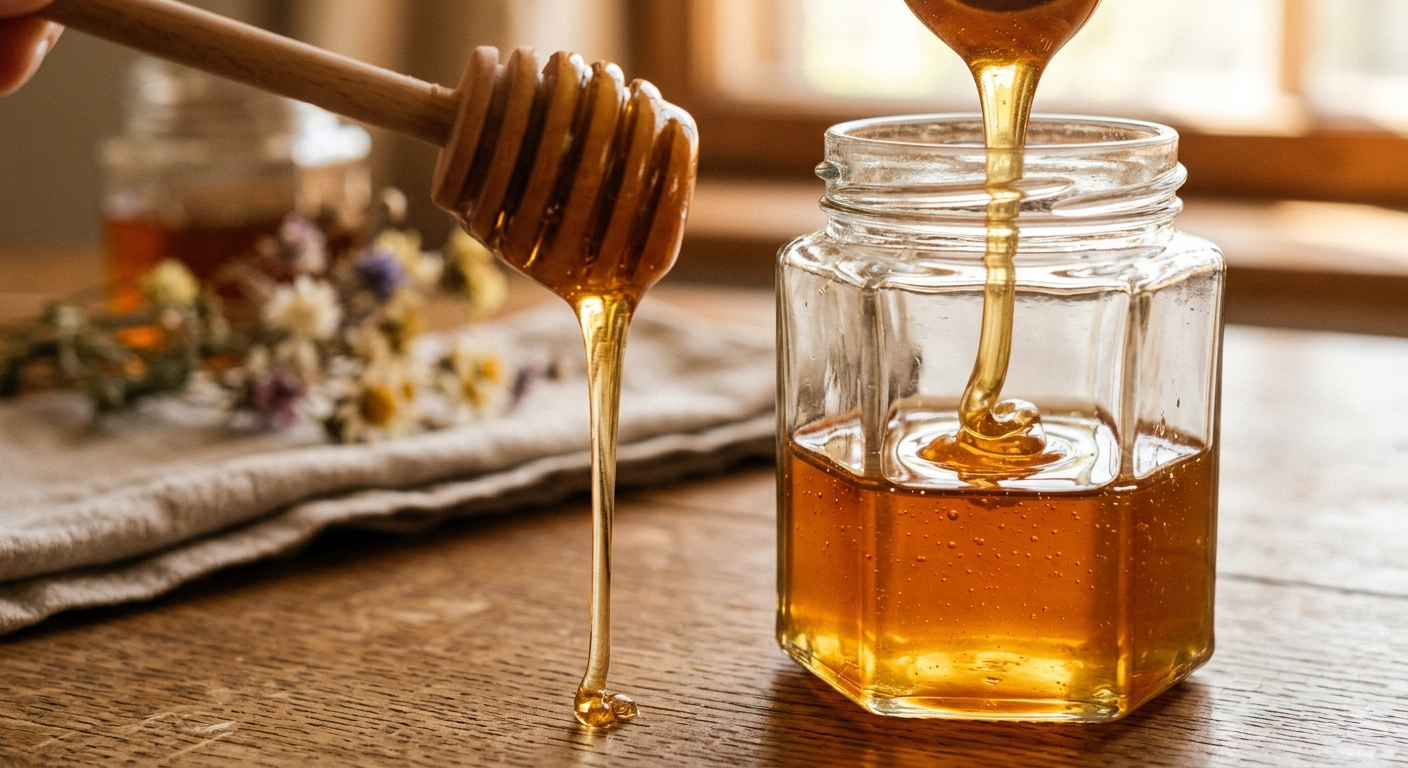
Honey crystallizes. It's natural, it's not spoilage, but it terrifies uninformed buyers. In a scratched, semi-opaque plastic bottle, crystallized honey looks lumpy and suspicious. In a clear glass hex jar, that same crystallization reads as proof of authenticity — 'see, no additives, this is real honey.'
Glass also lets brands market the reheating process honestly. Customers can warm the jar in a hot water bath to re-liquefy crystals without worrying about the container melting or leaching chemicals — something you genuinely cannot promise with a plastic bottle sitting in 140°F water.
The Hexagon Shape Isn't Just Decorative — It Solves Real Shelf Problems
Hex jars aren't randomly popular. The flat facets prevent rolling on a shelf or in a delivery box, they stack more securely than round jars, and the angled sides catch light in a way that makes honey's color pop under retail lighting. It's a shape that photographs beautifully for e-commerce listings too — a real factor now that a huge share of specialty honey sells online.
A Small Case in Point
A mid-sized wildflower honey brand switching from a 12oz plastic bear bottle to a 250g glass hex jar saw their average online order value increase after the redesign, largely because the new packaging supported a price increase that customers didn't push back on. The honey didn't change. The container did the selling.
Sustainability Messaging Is Getting Harder to Fake With Plastic
Consumers are more skeptical of 'recyclable' claims on plastic than they were five years ago — and rightly so, since most curbside programs still struggle with small plastic bottles. Glass has a simpler, more believable sustainability story: it's infinitely recyclable without quality loss, and many regions already have robust glass recycling infrastructure. For honey brands leaning into eco-conscious branding, that's not a minor detail — it's often the deciding factor in the switch.
This ties into broader packaging conversations happening across food categories — see our related breakdown on glass in packaging and how to choose the right bottle for the material-level comparisons.
Cost Reality: Glass Hex Jars Cost More Per Unit, But Not Where It Counts
Let's be straight about this — glass hex jars typically cost more per unit than plastic squeeze bottles at comparable volumes. Depending on capacity and wall thickness, brands might see a per-unit cost increase of 15-30% versus plastic. But that's the wrong number to focus on.
The right number is margin per sale after the packaging switch. Brands moving to glass hex jars commonly justify a retail price increase of 20-40%, which more than offsets the added packaging cost. Shipping weight goes up slightly too, so factor that into freight calculations if you're exporting — but for most honey brands selling at $8+ retail, the math still favors glass.
Custom Branding Options Plastic Bottles Simply Can't Match
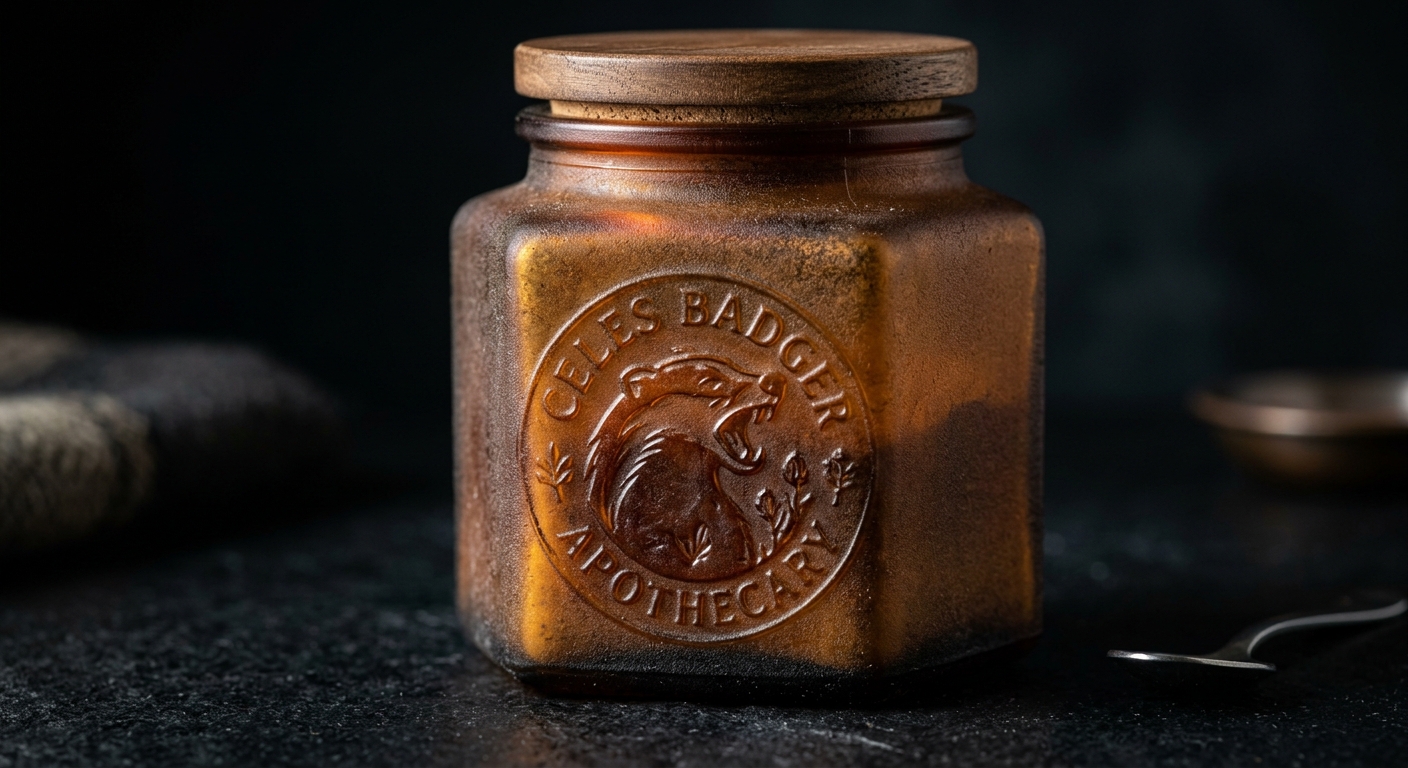
Squeeze bottles limit you to a printed label and maybe a molded cap color. Glass hex jars open up embossed logos directly into the glass, frosted finishes for a matte artisanal look, custom amber or green tints to protect light-sensitive raw honey, and private mold development if you want a genuinely unique silhouette that competitors can't copy off the shelf.
This is where working with a manufacturer that supports OEM and ODM development really pays off — brands developing exclusive jar shapes go through a similar process to what we've covered in how a European spirits brand developed a signature bottle from scratch, and honey brands follow the same logic: start with capacity and shelf requirements, then customize decoration and mold details from there.
What to Check Before You Make the Switch
Not every honey product needs a hex jar, and not every glass supplier delivers consistent quality at scale. Before switching, brands should confirm a few things:
- Neck and lid compatibility — hex jars often pair with tinplate or plastic lug caps; make sure your capping line can handle the change.
- Glass clarity grade — flint glass shows honey color best; extra-flint costs more but looks noticeably cleaner. Our guide on flint vs. extra-flint glass clarity grades breaks down which one fits a food product like honey.
- Case pack weight — glass is heavier, which affects export freight costs and pallet counts.
- Minimum order quantities — private mold hex jars usually require higher MOQs than stock shapes, so confirm volume commitments early.