-

Arabic
-
English
-
French
-
Malagasy
-
Portuguese
-
Russian
-
Spanish
-
Thai


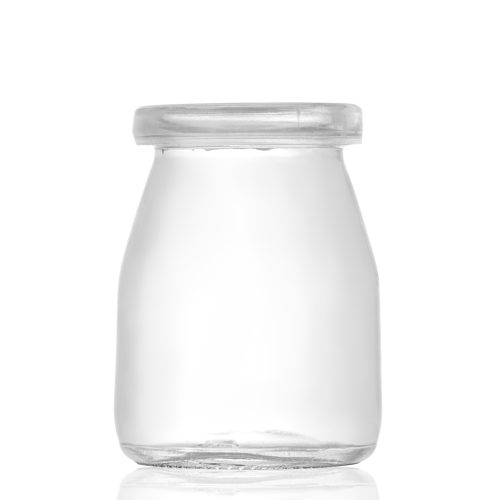


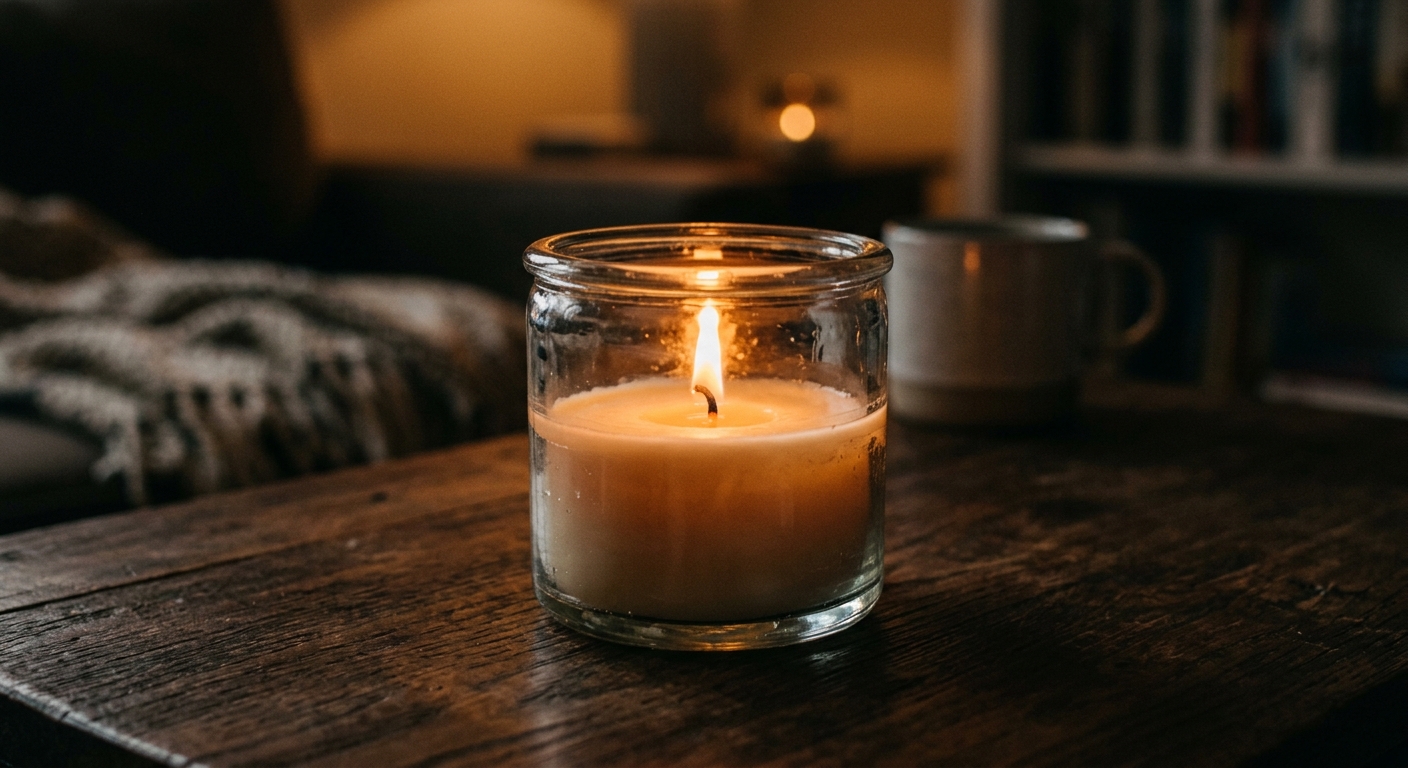
A candle-safe glass jar is one engineered to survive sustained wax temperatures of 60–80°C and brief surface spikes above 200°C without cracking, hazing, or shattering. The three things that decide whether a jar passes that test are the glass chemistry (soda-lime vs. borosilicate), the wall thickness and base geometry, and how the jar is annealed after molding. Get those right and a standard jar handles a 50-hour burn without drama. Get them wrong and you'll see thermal fractures, soot rings, or — worst case — a customer complaint involving a scorched countertop.
What Actually Happens Inside a Burning Candle Jar
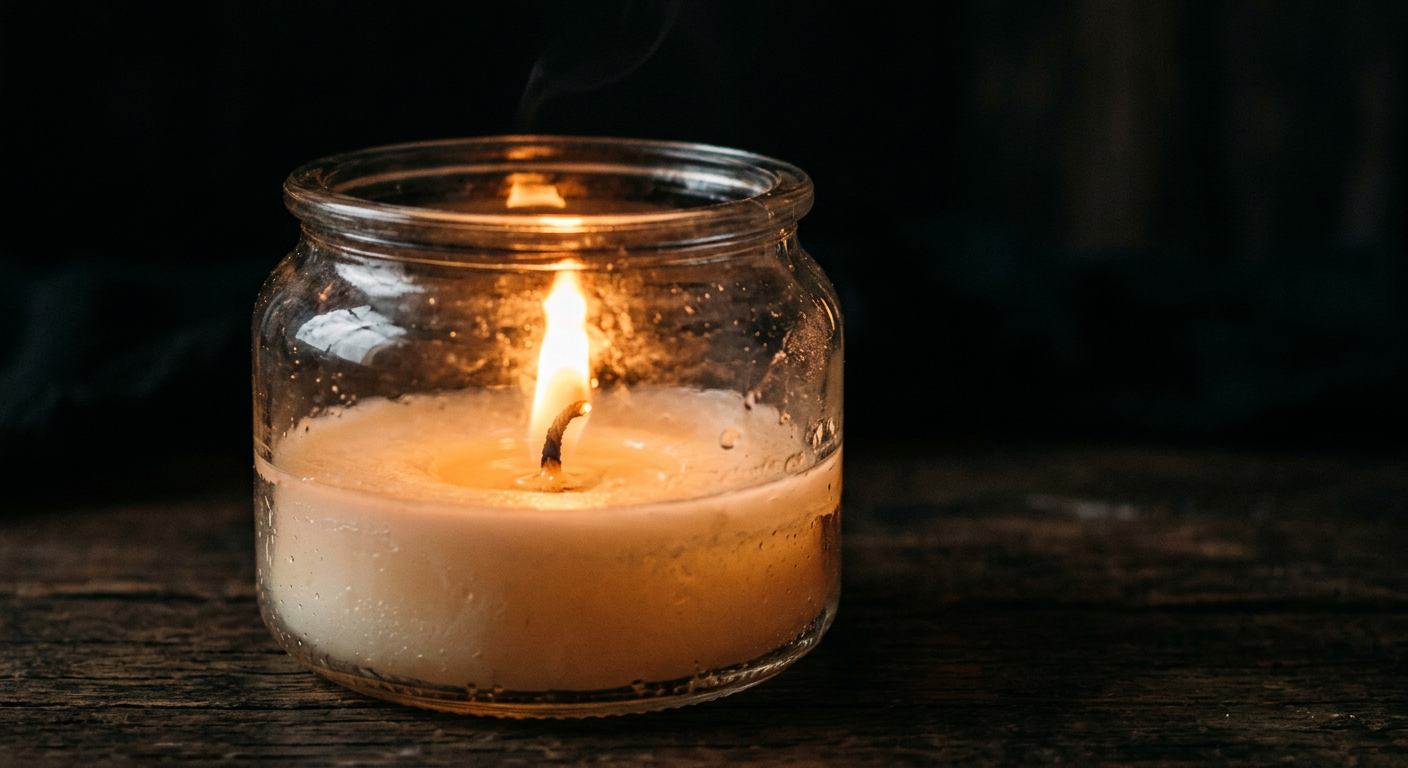
Most candle makers underestimate how hot the inside of a jar gets. A standard soy or paraffin candle keeps the molten wax pool at roughly 60–80°C, but the inner glass wall near the flame can spike to 150–200°C within the first hour of burning. The base of the jar — especially in the last 10–15% of burn time — can briefly exceed 250°C.
That's not a steady-state problem. It's a thermal gradient problem. The inside surface heats fast while the outside stays cool, and the glass has to absorb that gradient without cracking. The bigger the gap between hot and cold zones, the more stress builds up in the material. This is why thin tumblers sometimes survive better than thick, heavy votives — mass alone doesn't equal safety.
Thermal Shock Resistance: The Single Most Important Spec
If you only check one number when sourcing candle jars, make it the thermal shock resistance — usually expressed as ΔT, the maximum temperature differential the glass can tolerate before fracturing.
- Standard soda-lime glass: ΔT around 40–50°C. Fine for most container candles with proper wax-to-jar fit, but unforgiving if a customer pours cold water in to clean it while it's still warm.
- Tempered soda-lime: ΔT around 80–100°C. A solid middle ground for premium retail candles.
- Borosilicate glass: ΔT around 150–165°C. The gold standard for high-output candles, wood-wick designs, or three-wick formats where the heat load is significantly higher.
For instance, a private-label brand we worked with shifted from a generic soda-lime tumbler to a borosilicate jar after they upgraded from single-wick to triple-wick soy candles. Their return rate from heat-related cracking dropped from around 3% to near zero in one production cycle.
Why Wall Thickness and Base Geometry Matter More Than You Think
Thickness is a balancing act. Walls that are too thin can't absorb heat fast enough and crack from rapid expansion. Walls that are too thick create steeper temperature gradients between the inner and outer surfaces — and that gradient is what fractures glass, not heat itself.
The sweet spot
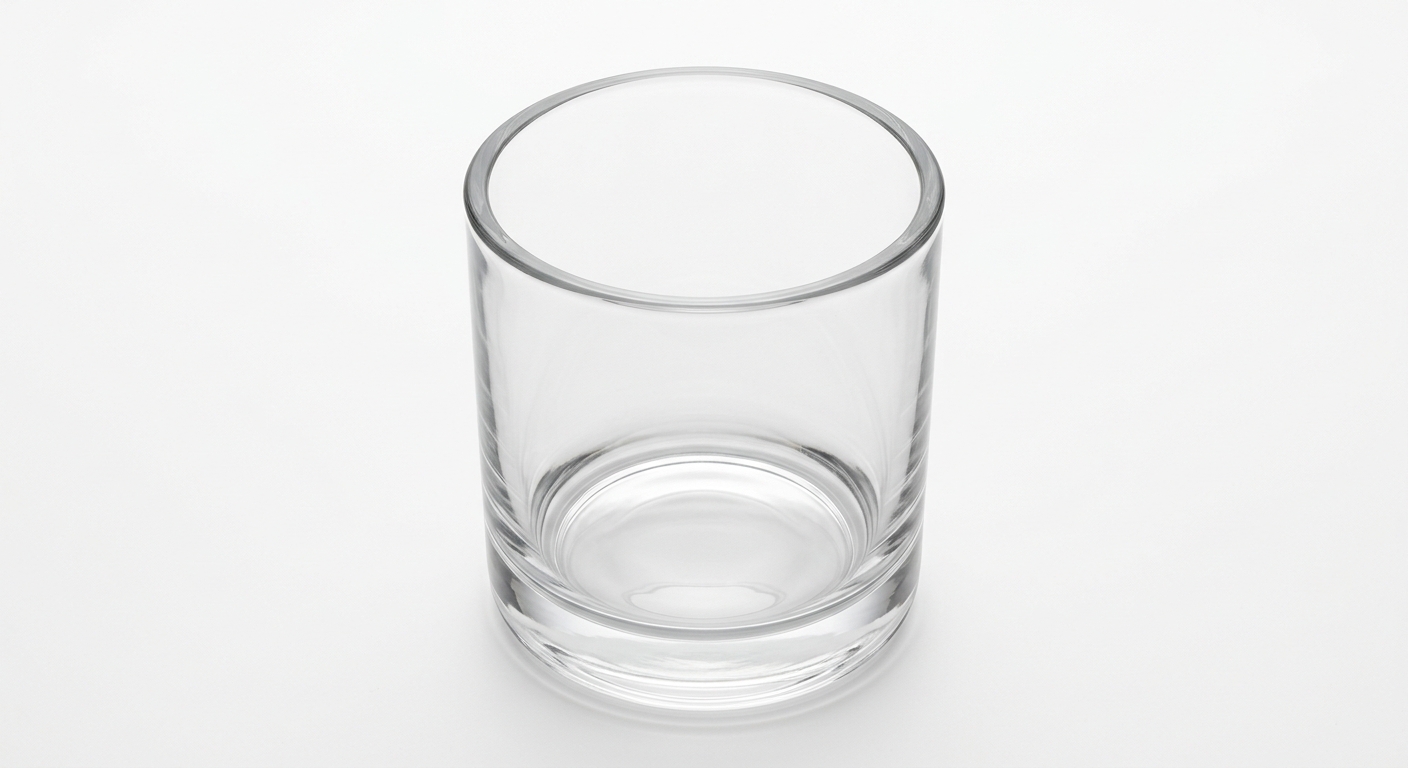
For most container candles in the 200–400ml range, a uniform wall thickness of 3–4mm performs best. Critically, the thickness needs to be uniform. A jar that's 5mm at the base but 2mm halfway up the wall will almost always crack at the transition zone.
Base design
The base is where most failures happen, because the last bit of wax burns hottest and closest to the glass. A slightly concave (pushed-up) base distributes heat better than a flat one. Sharp internal corners — where the wall meets the base at a 90° angle — are stress concentrators and should be radiused to at least 3mm.
Annealing: The Invisible Step That Decides Everything
Two jars can look identical and behave completely differently. The difference is usually annealing — the controlled cooling process after molding that relieves internal stress in the glass.
Poorly annealed glass holds residual stress that becomes a ticking time bomb. The jar might pass a cold inspection, sit on a shelf for months, then crack on its first burn because the candle's heat releases the locked-in stress. At our facility, candle jars go through an annealing lehr at a controlled descent from ~560°C to room temperature over 40–80 minutes depending on wall thickness. Skipping that step (or rushing it) is the most common reason cheap candle jars fail in the field.
If you're sourcing wholesale, ask your supplier for the polariscope test results. Properly annealed glass shows minimal birefringence — uneven, colorful fringes under polarized light mean stress is still in there.
Glass Chemistry: Soda-Lime vs. Borosilicate for Candles
Soda-lime is the default for 90% of candle jars on the market — and for good reason. It's affordable at wholesale volumes, takes decoration beautifully (frosting, spraying, screen printing, embossing), and performs reliably with single-wick candles up to about 400ml.
Borosilicate is the right call when the heat load goes up: wood wicks, multi-wick formats, jars under 80mm in diameter (where the flame is closer to the wall), or premium products where you can't afford a single complaint. The trade-off is cost — borosilicate runs 3–5x the price per unit and is harder to color or frost evenly.
A practical guideline: if your candle's burn temperature ever pushes past 90°C in the wax pool, or the outer glass exceeds 70°C during normal use, move to borosilicate or tempered glass. Below that, well-annealed soda-lime is fine. Brands stocking up on wholesale candle jars for standard scented lines almost always land in the soda-lime category — and that's the right answer for them.
How Decoration and Coatings Affect Heat Safety
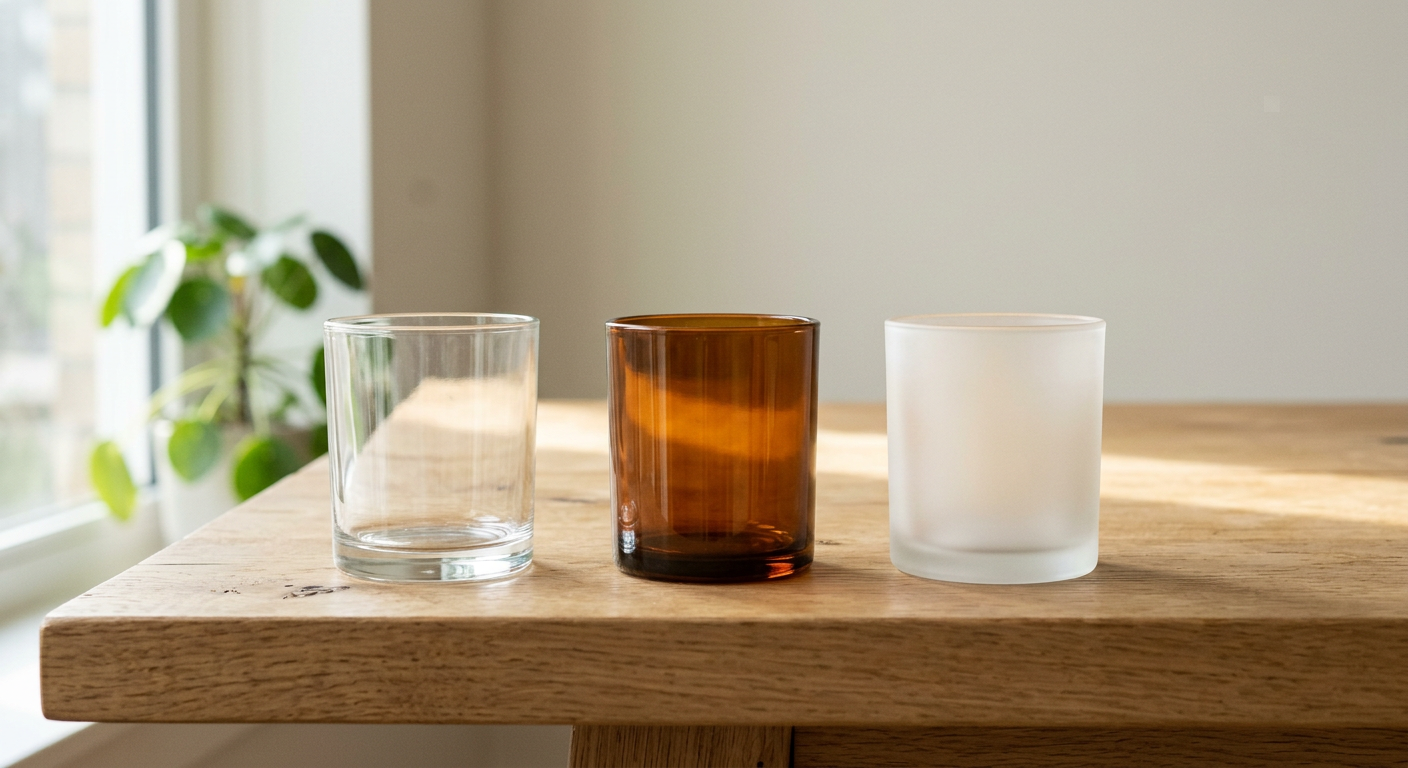
Here's something most candle brands miss: decoration changes thermal behavior. A frosted or spray-coated exterior insulates the glass slightly, which can raise inner wall temperatures by 5–15°C compared to an uncoated jar. Usually that's not enough to cause failure — but it shrinks your safety margin.
Some specifics:
- Exterior spray coating: Must be heat-stable to at least 120°C. Cheap lacquers can bubble or yellow during long burns.
- Frosting (acid-etched): No impact on heat performance because it's a surface texture, not a layer. Safe at any temperature the glass itself can handle.
- Screen-printed inks: Use ceramic or organic inks rated for 150°C+ surface temperatures. Standard plastisol inks meant for textiles will not survive.
- Decals: Position them on the upper third of the jar, away from the hottest zone near the wax pool.
If you're developing a custom decorated jar, our design guide covers the trade-offs between decoration methods and how they interact with end-use conditions.
Testing Protocols: How to Verify a Jar Is Candle-Safe
Reputable manufacturers don't ship candle jars based on feel — they test them. Three tests matter most:
1. Burn test (the real-world one)
Fill the jar with the actual wax and wick combination the customer will use, then burn it for the full lifecycle — typically 40–60 hours in 4-hour intervals. Inspect for crazing, base scorching, and wall cracks after each cycle.
2. Thermal shock test
Heat the jar to 80°C, then immerse the base in 20°C water. A candle-safe jar should survive a ΔT of at least 60°C without visible damage. Premium jars survive ΔT of 100°C or more.
3. Polariscope inspection
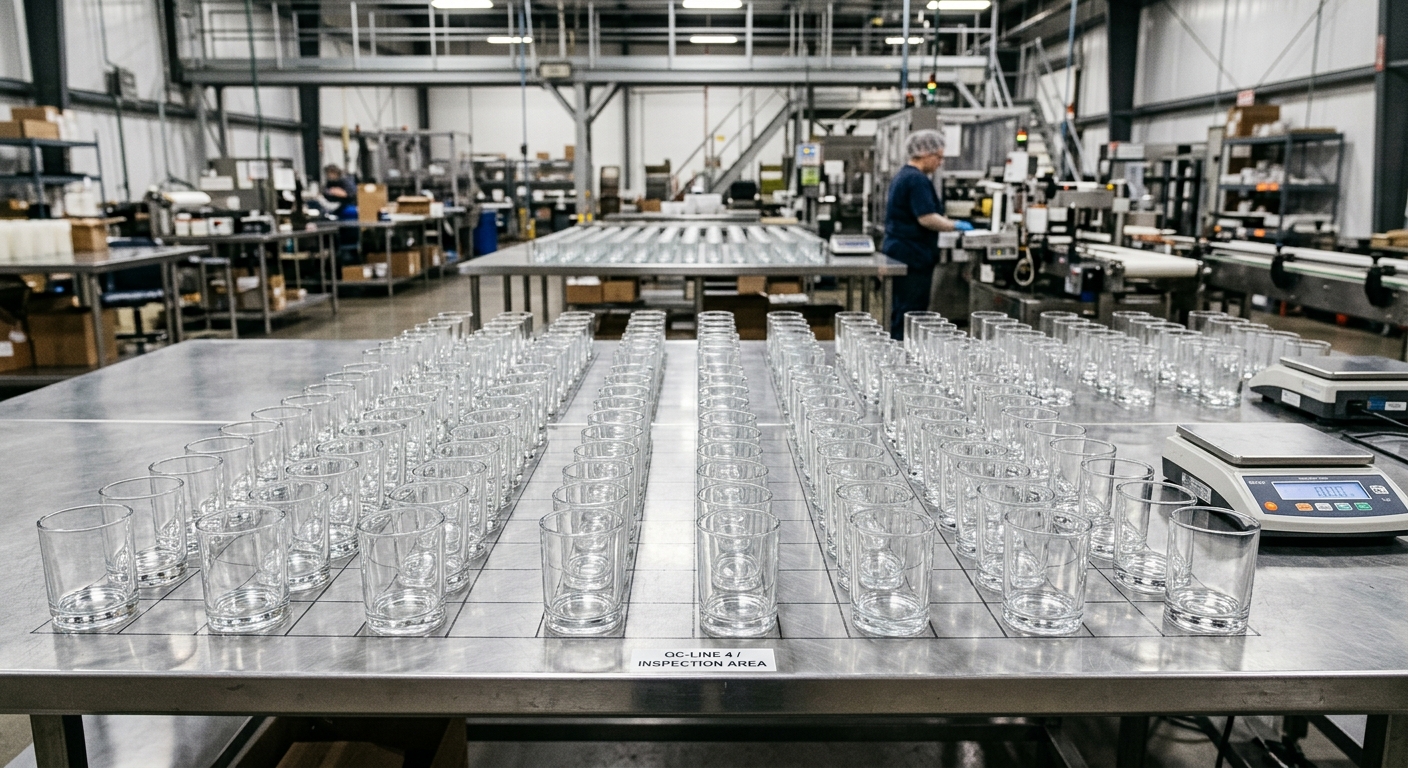
Visual check for residual stress from annealing. Random sampling of 2–3% of each production batch catches almost all defects before they ship.
For a deeper look at how clarity grade interacts with these tests, our breakdown of flint vs. extra-flint glass covers how raw material purity affects thermal behavior, not just appearance.
Common Failures and What Causes Them
When candle jars fail, the cause is usually one of five things — and they're predictable enough that you can diagnose most cracks just by looking at where they appear.
- Vertical crack from the base upward: Thermal shock, almost always from an under-annealed jar or one with non-uniform wall thickness.
- Horizontal ring crack near the wax line: The wax pool is too hot, or the wick is too large for the jar diameter. Glass is fine; the candle recipe needs adjustment.
- Star fracture on the base: The candle burned down to the bottom with the flame too close to the glass. Always leave 6–10mm of unburned wax — or design the jar with a deeper concave base.
- Crazing (network of fine surface cracks): Repeated thermal cycling without proper annealing. Cosmetic at first, structural eventually.
- Sudden shattering: Almost always residual stress from bad annealing combined with rapid temperature change.
The pattern in all of these: the glass itself is rarely “weak.” The failure traces back to manufacturing shortcuts or a mismatch between the jar and the candle formulation.
Spec Checklist for Sourcing Candle-Safe Jars at Scale
If you're placing a wholesale order, here's the short list to send your supplier before sampling:
- Glass type: soda-lime, tempered, or borosilicate — matched to your candle's heat output
- Wall thickness: 3–4mm uniform, with documented tolerance (±0.3mm is realistic)
- Base geometry: concave with radiused internal corners (3mm minimum radius)
- Annealing: documented lehr curve and polariscope sample data
- Thermal shock rating: minimum ΔT 60°C for standard, 100°C+ for premium
- Decoration compatibility: confirm coatings and inks are rated for candle surface temperatures
- Burn test results: ideally with your actual wax and wick
For brands building a candle line from scratch — particularly those exploring amber candle jars or other tinted glass — request samples from the same production run you'll order from, not from a different mold or batch. Color additives can affect thermal behavior slightly, and you want your sample test to reflect what will actually arrive on the pallet.
Heat resistance isn't about buying the most expensive glass. It's about matching the right glass to the candle, verifying the annealing, and respecting the geometry rules. If you'd like help spec'ing a candle-safe jar — standard mold or fully custom — packafill's engineering team can walk you through material selection, sampling, and burn validation before you commit to production. Reach out through our product catalog and we'll take it from there.