-

Arabic
-
English
-
French
-
Malagasy
-
Portuguese
-
Russian
-
Spanish
-
Thai



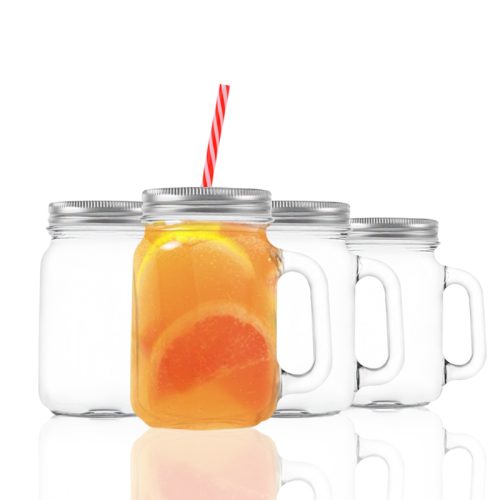
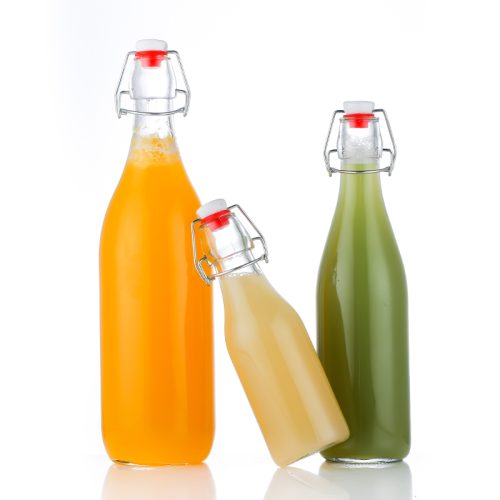
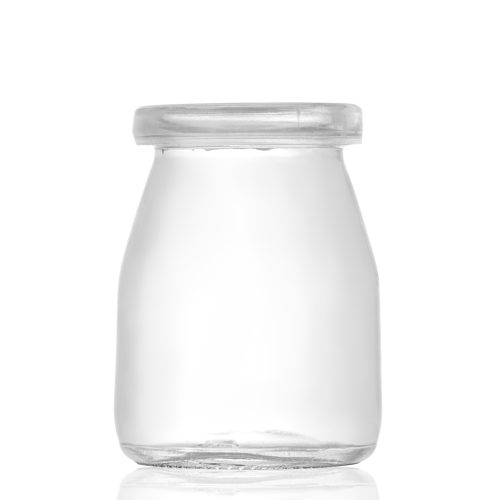
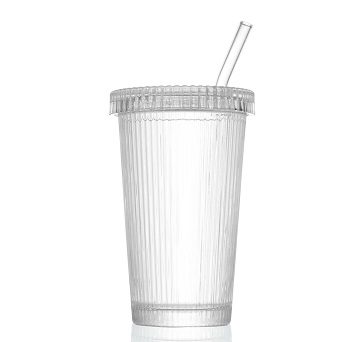
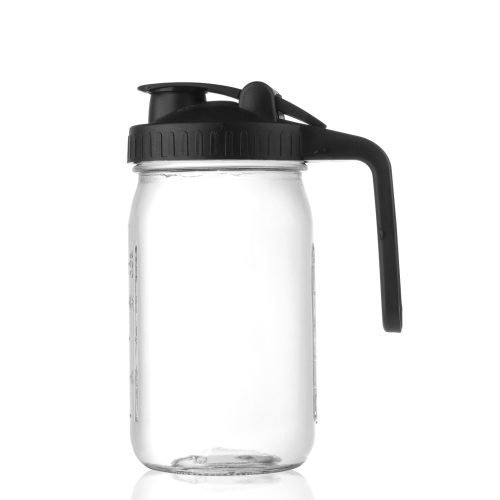


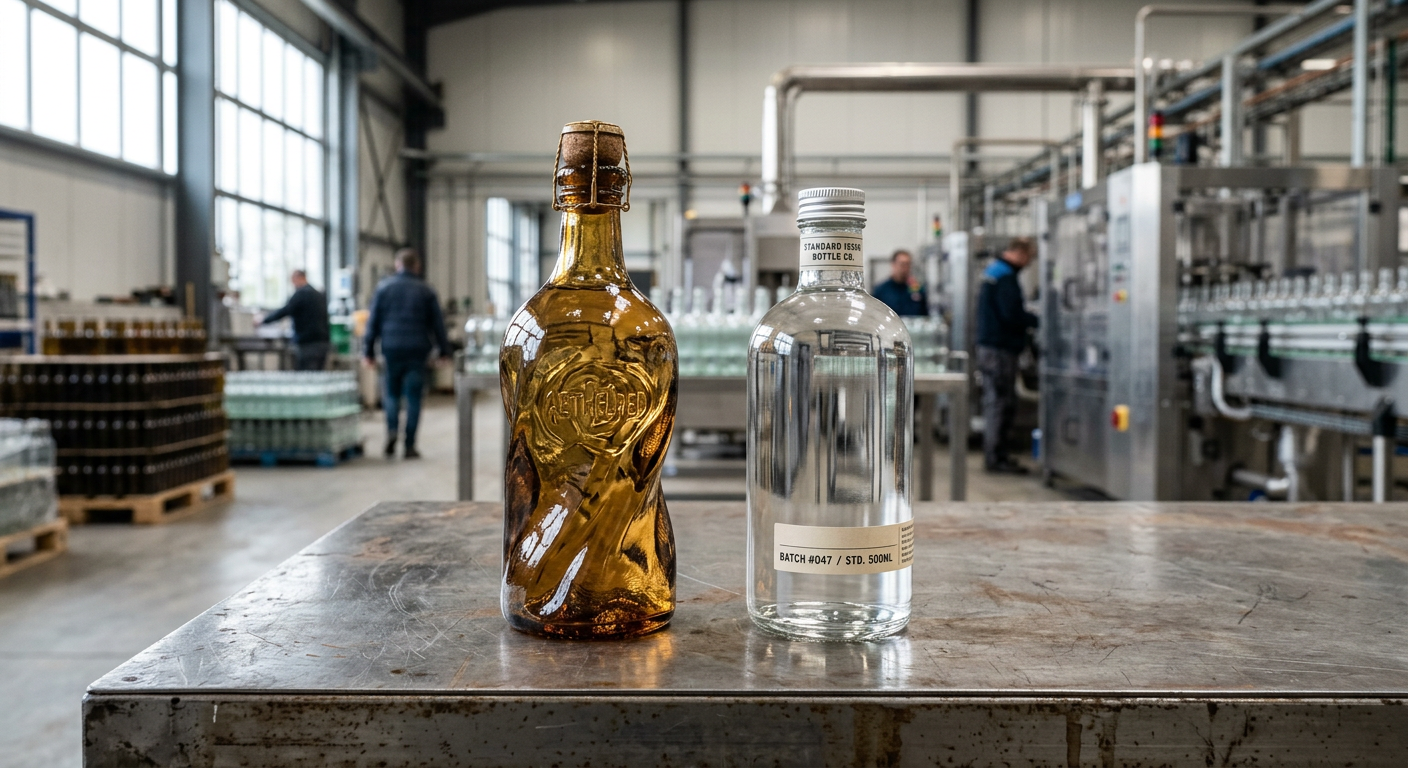
If your brand needs a unique silhouette that no competitor can copy, go private mold. If you need bottles fast, at lower upfront cost, and you can differentiate through labels or surface decoration instead, stock mold is the smarter play. The real answer depends on your budget, timeline, order volume, and how much shelf differentiation matters to your category — and this guide will walk you through every variable so you can decide with confidence.
What Exactly Is a Private Mold (and Why Does It Exist)?
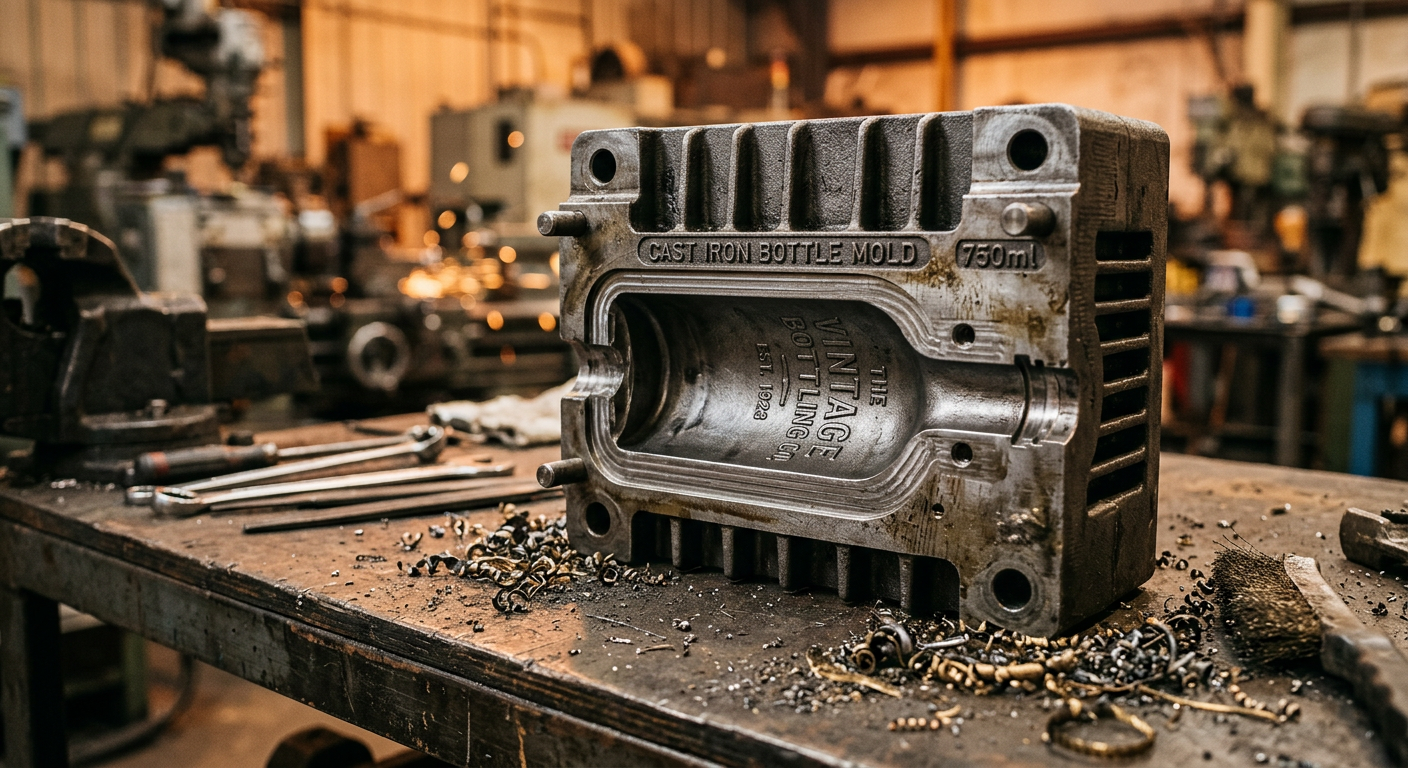
A private mold — sometimes called a custom mold or proprietary mold — is a brand-new bottle mold designed and manufactured exclusively for your product. The mold tooling belongs to you (or is held exclusively by your manufacturer), and no other company can produce bottles from it without your permission.
Think of it like commissioning a custom suit versus buying off the rack. The tailor builds a pattern from your exact measurements; the result fits nobody else. In glass manufacturing, this means your bottle's shape, dimensions, embossing, neck finish, and base profile are all engineered from scratch.
How Private Molds Are Made
The process typically starts with a 2D technical drawing or 3D CAD model. Your manufacturer's mold engineers review the design for production feasibility — wall thickness uniformity, thermal stress points, demolding angles — and then CNC-machine the mold from cast iron or specialized steel. At packafill, this engineering review catches roughly 30% of designs that would cause defects on the production line, saving brands from costly trial-and-error.
Once the mold is machined, a trial run of 500–2,000 bottles validates dimensions, weight, and surface quality before full production begins.
Stock Molds: The Fast Lane to Market
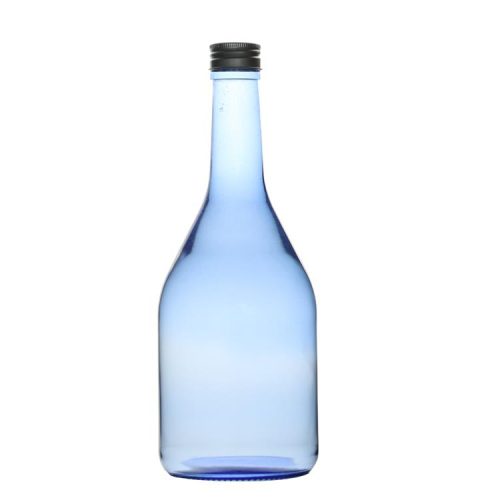
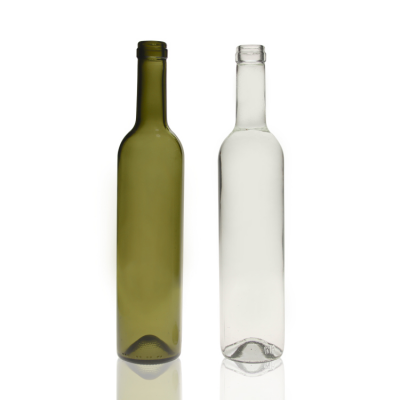
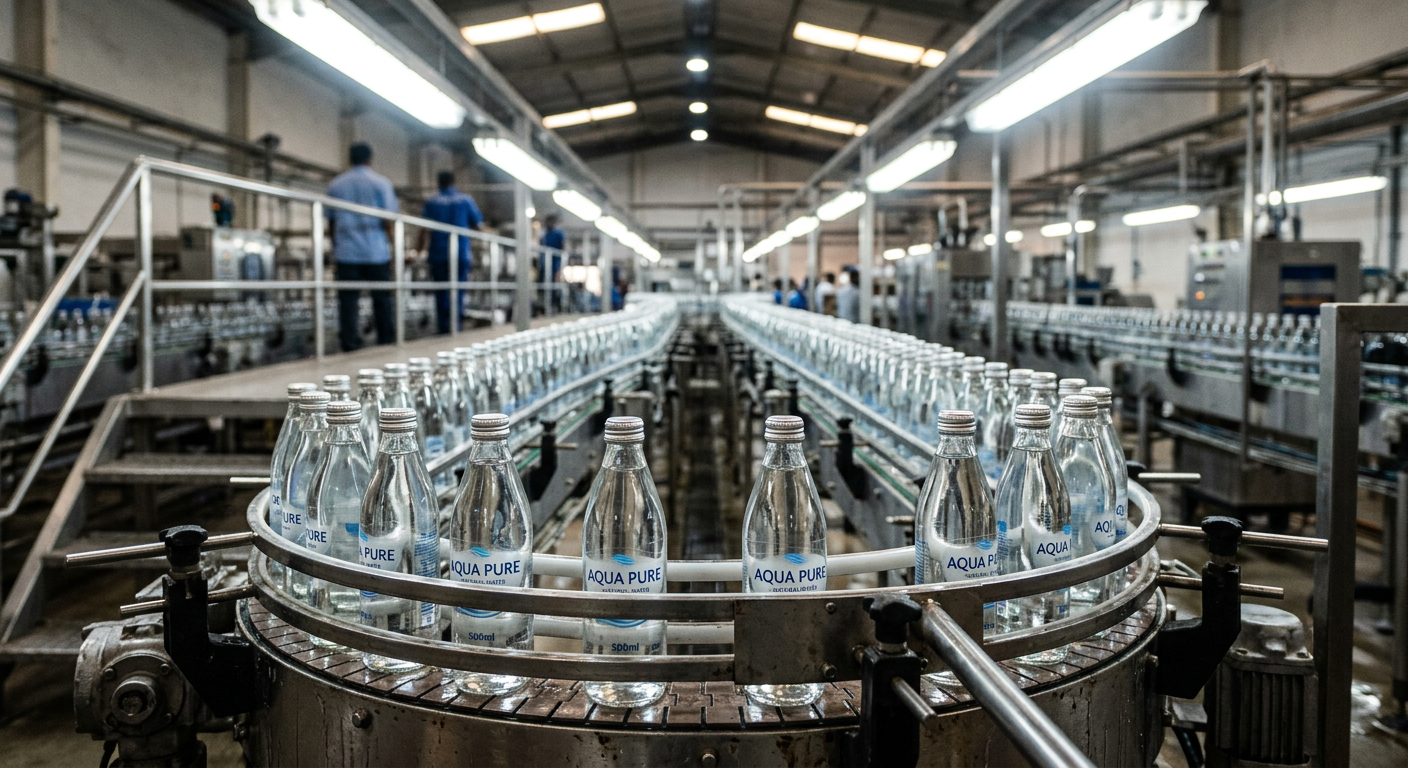
A stock mold (also called a standard mold or catalog mold) is an existing mold already owned by the glass manufacturer. You pick a shape from the catalog, choose your glass color and closure, and production can start almost immediately.
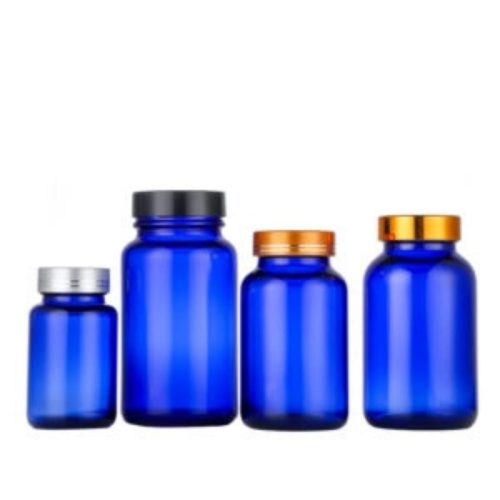
Manufacturers like packafill maintain libraries of 300+ stock bottle shapes — everything from classic spirit bottles to Boston round bottles and cosmetic jars. These molds have been proven over millions of production cycles, so defect rates are extremely low.
Where Stock Molds Shine
- Speed: No mold fabrication means you can receive finished bottles in as little as 15–30 days.
- Cost: Zero mold fee. Your only expense is the per-unit bottle price plus any decoration.
- Low MOQs: Some stock shapes are available from 1,000 pieces, perfect for test runs.
- Proven reliability: These molds have already been debugged through thousands of production hours.
The trade-off? Your bottle shape won't be exclusive. Another brand — possibly in your category — could be using the same silhouette.
Side-by-Side Comparison: Private Mold vs. Stock Mold
Numbers tell the story faster than paragraphs. Here's how the two options stack up across the criteria that matter most to packaging buyers:
| Criteria | Private Mold | Stock Mold |
|---|---|---|
| Upfront Mold Cost | $3,000–$15,000+ | $0 (no mold fee) |
| Lead Time (Mold + First Run) | 45–90 days | 15–30 days |
| Design Exclusivity | 100% exclusive to your brand | Shared design, not unique |
| Minimum Order Quantity | Often 10,000–50,000 pcs | As low as 1,000–5,000 pcs |
| Shape & Size Flexibility | Fully customizable | Limited to existing catalog |
| Brand Differentiation | ★★★★★ | ★★☆☆☆ |
| Best For | Established brands, premium lines | Startups, market testing, budget projects |
| Long-Term Unit Cost | Lower at high volumes | Stable but no volume discount on mold |
The mold cost range varies widely because complexity drives price. A simple cylindrical wine bottle mold might cost $3,000–$5,000, while an intricate multi-cavity perfume bottle mold with embossed logos can exceed $15,000.
When a Private Mold Pays for Itself
Here's the math most buyers overlook: a private mold is a fixed cost that gets amortized across every bottle you produce. At 100,000 bottles, a $5,000 mold adds just $0.05 per unit. At 500,000 bottles, it's a penny. For brands with predictable annual volumes above 50,000 units, the mold investment becomes almost negligible per piece.
The Brand Equity Argument
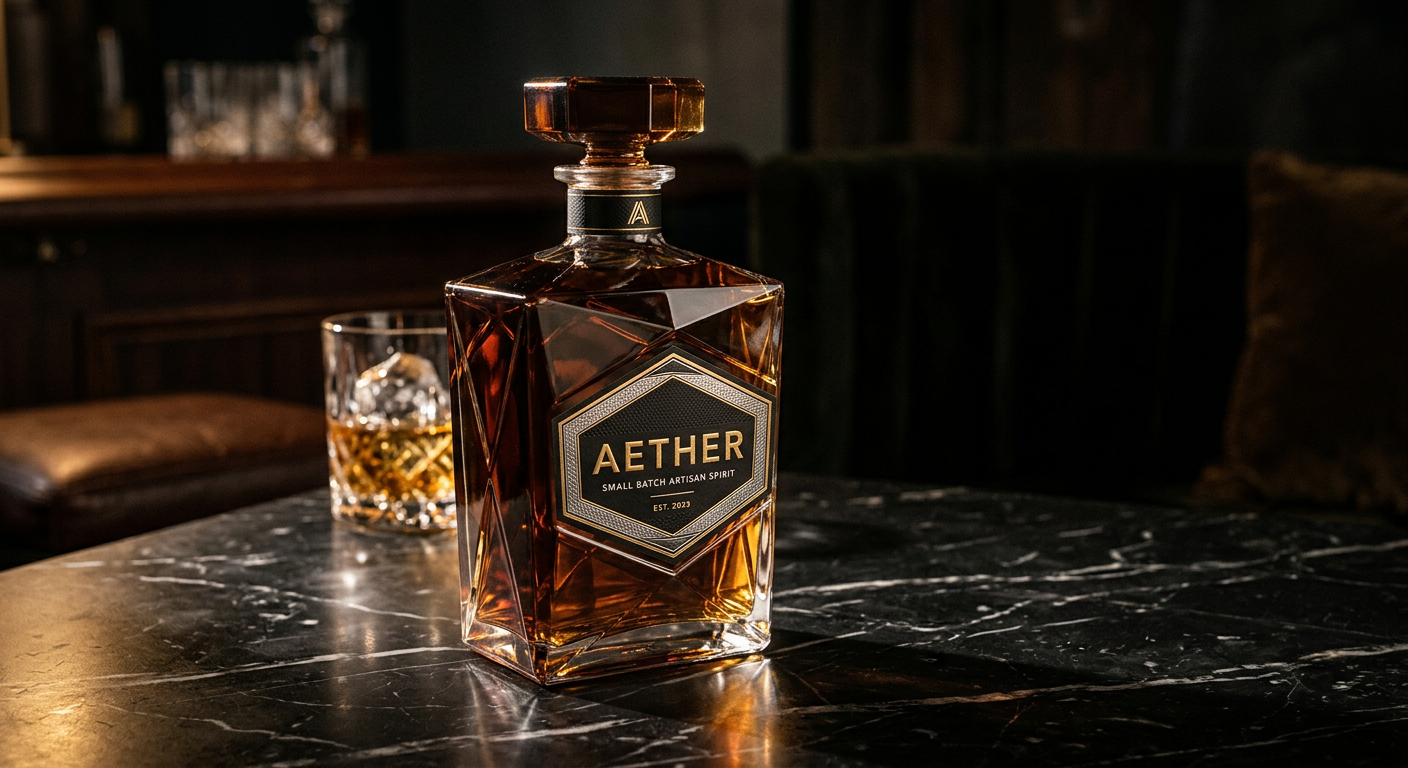
In categories where shelf presence drives purchase decisions — spirits, premium skincare, artisan condiments — bottle shape is a silent salesperson. Consumers recognize Patrón tequila or Hendrick's gin by silhouette alone, before they read a single word on the label. A private mold lets you build that kind of visual equity.
Real-World Example: A Craft Spirits Brand
For instance, a craft gin distillery in Europe approached packafill needing a distinctive angular bottle that would stand out in duty-free retail. They invested $7,500 in a private mold and ordered an initial run of 30,000 bottles. The unique shape became central to their marketing — featured in social media, bartender competitions, and trade show displays. Within 18 months they reordered 120,000 bottles, dropping the effective mold cost to roughly $0.05 per unit. The bottle shape alone generated earned media they estimated at 10x the mold investment.
Private molds also protect your brand legally. If your bottle design is registered as industrial design IP, the exclusive mold ensures no manufacturer can replicate it for a competitor.
When Stock Molds Are the Smarter Choice
Not every product needs a bespoke bottle. In fact, many successful brands deliberately choose stock molds and invest the savings into superior labeling, closures, or surface treatments instead.
Scenario: Testing a New Market
Imagine you're a health beverage startup launching a cold-pressed juice line. You have three SKUs, uncertain demand, and a limited launch budget. Spending $15,000+ on three private molds before you've validated product-market fit is a gamble. A far better strategy: select a clean, versatile stock cold brew or juice bottle, invest in premium shrink-sleeve labels, and test the market. If the line takes off, you can commission private molds for Version 2.0 with real sales data guiding your design decisions.
Stock Molds + Decoration = Surprising Differentiation
Don't underestimate what surface decoration can do to a stock bottle. Frosting, silk-screen printing, hot stamping, spray coating — these techniques transform a generic shape into something that looks fully custom. A stock perfume bottle with a matte black spray coat and gold hot-stamped logo can look every bit as premium as a private-mold design, at a fraction of the cost and lead time.
The Hidden Costs Most Buyers Miss
The mold fee is just the headline number. Here are the costs that catch buyers off guard:
Private Mold Hidden Costs
- Design iterations: Most molds require 2–3 rounds of CAD revisions. If your manufacturer charges for engineering time separately, budget an extra $500–$1,500.
- Trial run waste: The first 500–2,000 bottles from a new mold are often used for quality validation. Some are discarded. Factor this into your unit economics.
- Mold maintenance: After 500,000–1,000,000 cycles, molds need refurbishment or replacement. Clarify upfront who pays for this.
- Storage fees: If you pause production, some factories charge monthly mold storage. At packafill, we store client molds at no charge for up to 24 months of inactivity.
Stock Mold Hidden Costs
- Closure compatibility: Stock bottles come with predetermined neck finishes. If your preferred closure doesn't match, you'll need an adapter or a different cap — adding cost and complexity.
- Rebranding limitations: If you later decide the bottle shape doesn't represent your brand, switching to a new stock shape means redesigning all labels, packaging inserts, and marketing materials.
How to Decide: A Practical Decision Framework
Forget the theory for a moment. Answer these five questions honestly and the right path usually reveals itself:
- Is your annual volume above 50,000 units? If yes, private mold economics start to make sense.
- Does your category compete on bottle shape? Spirits, premium perfume, and artisan food brands almost always benefit from private molds. Pharmaceuticals and industrial chemicals rarely do.
- Is your product formula and positioning finalized? If you're still iterating on the product itself, lock that down before investing in a custom bottle.
- Do you have 60–90 days of lead time before launch? If your timeline is under 45 days, stock mold is your only realistic option.
- Is your packaging budget above $10,000 for the first order? If not, stock mold plus decoration is the pragmatic choice.
If you answered “yes” to three or more of these, a private mold is likely worth the investment. Two or fewer? Start with stock and upgrade later.
The Hybrid Approach: Start Stock, Graduate to Private
The savviest brands we work with at packafill often use a phased strategy. They launch with a stock mold to validate the product, gather customer feedback, and build initial revenue. Then, once they have real market data — which shapes resonate on shelf, what sizes sell best, how consumers interact with the closure — they invest in a private mold that's informed by evidence rather than guesswork.
This approach is especially powerful for custom glass bottle wholesale buyers who are building a portfolio of SKUs. You might keep your entry-level product in a stock bottle while reserving private molds for your flagship or limited-edition lines.
A Candle Brand Case in Point
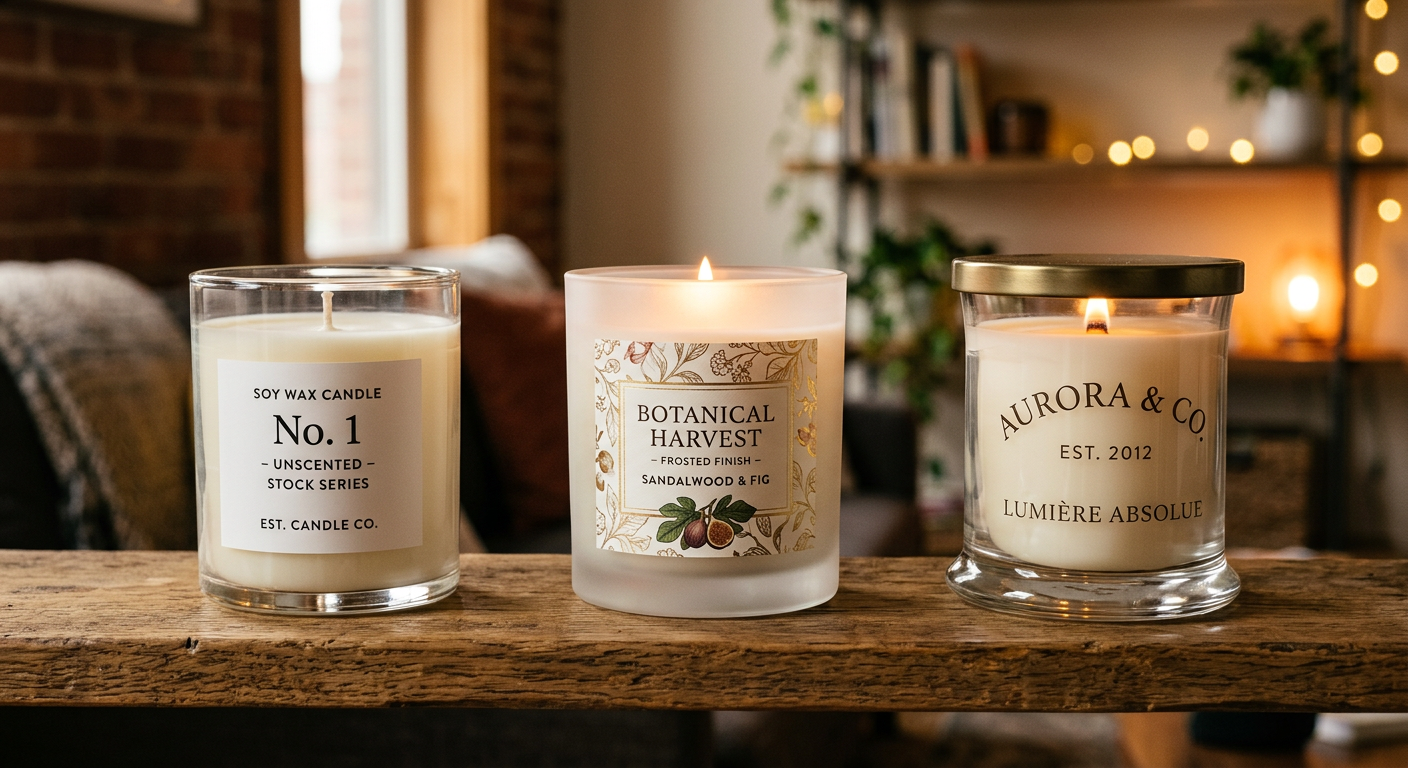
A home fragrance company started with stock frosted candle jars with wooden lids for their first 12 months. Once their signature scent line hit 80,000 units annually, they commissioned a private mold with a distinctive tapered jar shape and embossed brand mark. The custom jar became their most-photographed product on social media and justified a 20% retail price increase.
What to Ask Your Manufacturer Before Committing
Whether you go private or stock, the quality of your manufacturer relationship matters more than the mold type. Here are the questions that separate informed buyers from those who learn expensive lessons:
For Private Molds
- Who owns the mold IP — you or the factory? (Always get this in writing.)
- What's included in the mold fee — CAD design, trial runs, or just machining?
- How many cavities will the mold have, and what's the maximum daily output?
- What's the mold lifespan in production cycles?
- Can you provide a 3D-printed prototype before cutting metal?
For Stock Molds
- Is this mold shared with other clients in my product category or region?
- What neck finishes and closure options are compatible?
- What's the minimum order for this specific shape?
- Which surface decoration methods work best on this bottle profile?
- Can I see production samples before committing to a full order?
A manufacturer who answers these questions transparently — and proactively raises issues you didn't think to ask about — is one worth partnering with long-term.
Make the Right Call for Your Brand's Stage and Strategy
Private molds and stock molds aren't good or bad — they're tools for different jobs. A $50 million spirits brand that doesn't invest in a proprietary bottle shape is leaving brand equity on the table. A startup that sinks $12,000 into a custom mold before their first sale is burning capital they need elsewhere.
The decision comes down to three things: volume, differentiation needs, and timeline. Get clear on those, and the answer almost picks itself.
At packafill, we help brands navigate this decision every day — from initial concept sketches through mold engineering, trial production, and full-scale manufacturing. Whether you need a single stock bottle decorated to perfection or a completely original private mold designed from the ground up, our team of engineers and packaging consultants can guide you to the right solution. Reach out to start the conversation — no commitment, just clarity.