-

Arabic
-
English
-
French
-
Malagasy
-
Portuguese
-
Russian
-
Spanish
-
Thai


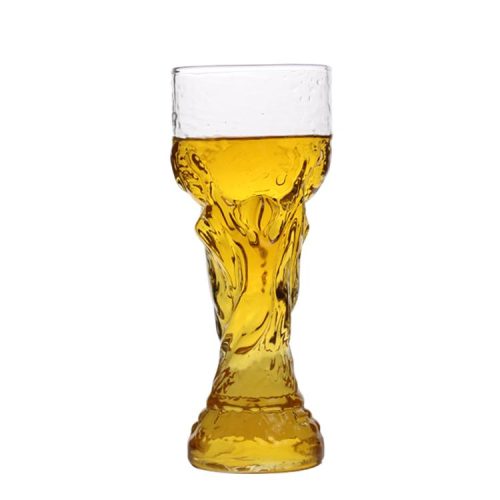
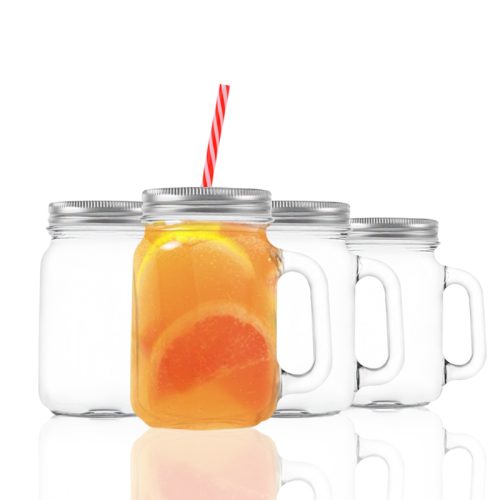
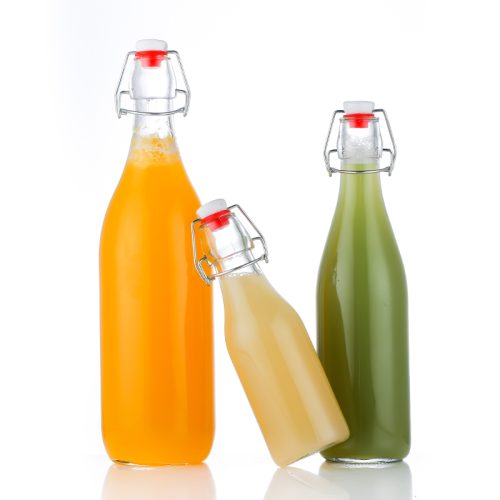


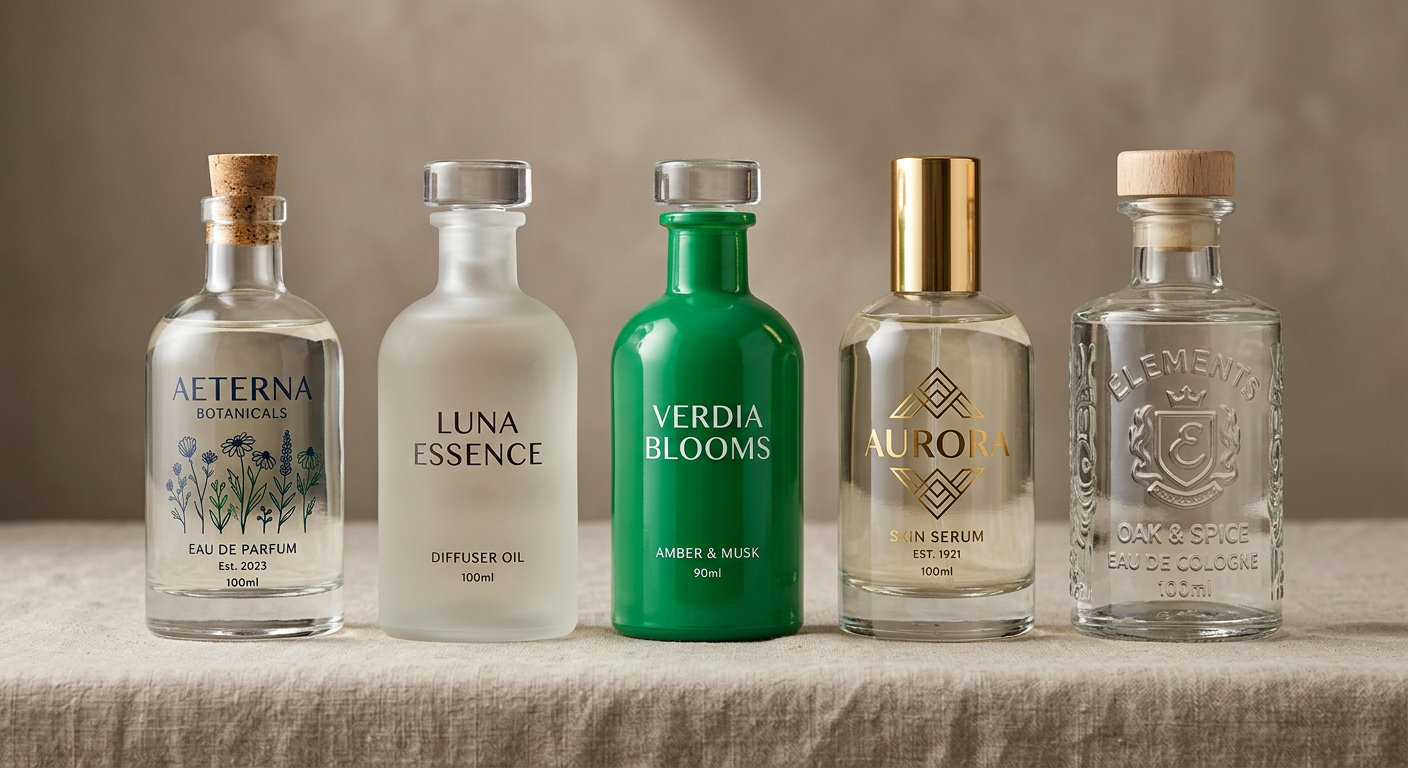
The fastest answer: screen printing is the workhorse for logos and most brands, acid frosting delivers the premium matte feel buyers associate with luxury spirits and skincare, spray coating gives you bold solid color or gradient effects you can't get any other way, and embossing builds long-term brand recognition into the glass itself. The right pick comes down to three things — your product category, your unit budget, and how the bottle gets handled after it leaves the shelf.
Below we break down every major decoration technique used in modern glass packaging, with the cost ranges, durability tradeoffs, and category-specific recommendations our customers actually ask about.
Why Decoration Choice Matters More Than Most Buyers Realize
Here's a number that surprises people: studies on shelf behavior consistently show buyers form a packaging impression within roughly 7 seconds. The glass shape gets you noticed. The surface decoration is what makes someone pick the bottle up.
Beyond aesthetics, decoration also affects unit cost in ways that are easy to underestimate. A two-color screen print might add $0.06 per bottle. Add a frosted finish on top, plus a hot-stamped foil accent, and you're now at $0.25+ per unit — which on a 100,000-bottle run is the difference between a profitable launch and a margin-killer.
Decoration also dictates lead time. A plain bottle ships from our lines in days. A bottle with acid frosting, three-color print, and a metallic foil finish needs sequential processing — and that can add two weeks to your production schedule. Worth knowing before you commit to a launch date.
Screen Printing: The Default Choice for Most Brands
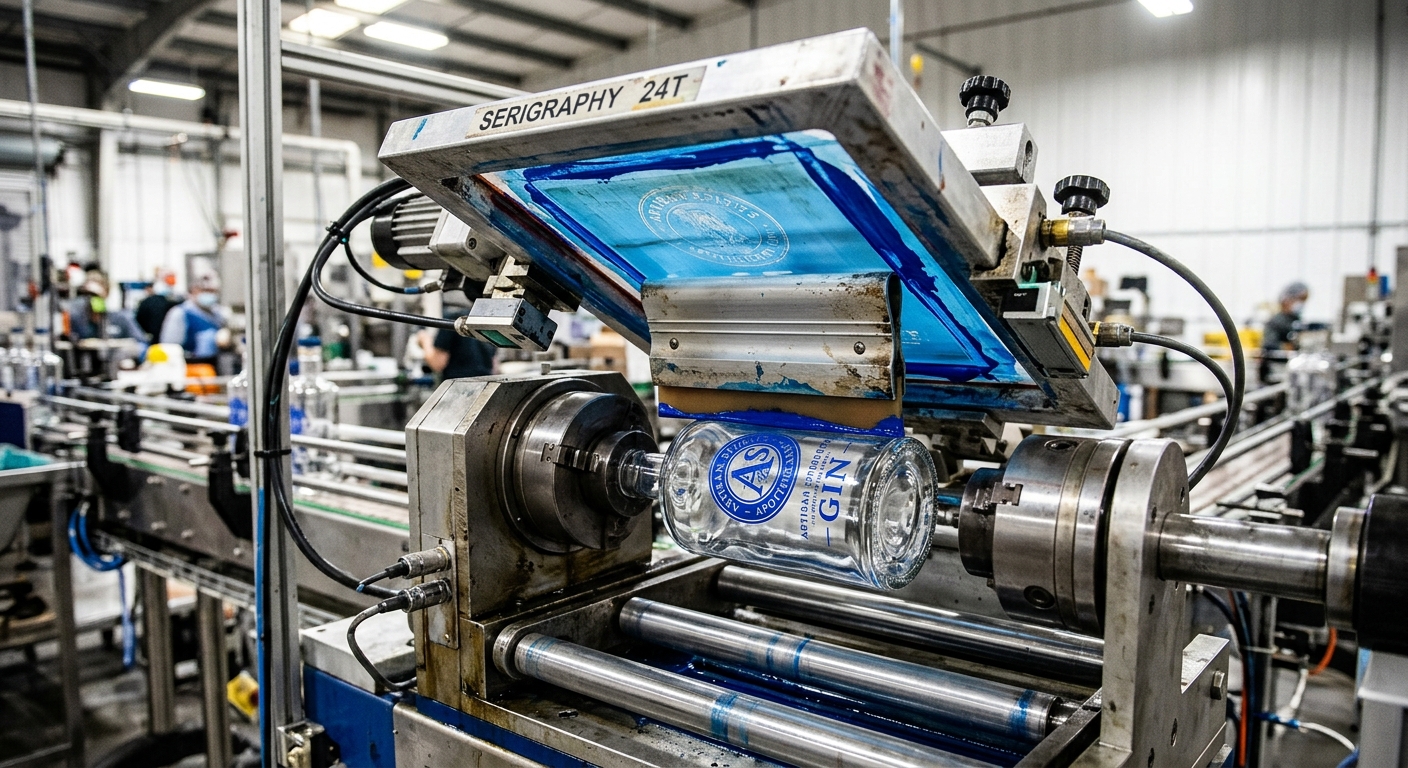
Screen printing is the workhorse of glass decoration — and for good reason. It handles multi-color logos, batch codes, ingredient lists, and detailed artwork at a cost point that scales beautifully from 5,000 units to 5 million.
How it actually works
Ceramic-based or organic inks are pushed through a fine mesh screen onto the bottle, then fired in a lehr oven at 580–620°C. The ceramic pigment fuses into the glass surface, which is why a properly cured screen print survives 200+ dishwasher cycles without fading.
What it costs
- Single color: $0.03–$0.06 per bottle at 10k MOQ
- Two color: $0.05–$0.09
- Three to four color: $0.08–$0.15
- Screen setup fee: typically $80–$150 per color
For example, a craft hot-sauce brand we worked with shifted from paper labels to a two-color ceramic screen print on a 5oz round bottle. Unit cost rose by $0.07 — but they eliminated labeling labor, removed the “peeling label in the fridge” complaint, and could finally run a dishwasher-safe claim on their packaging.
Where it falls short
Screen printing struggles on extreme curves, very small text under 6pt, and photorealistic gradients. For those, digital UV printing is the better tool — though it commands a 30–50% price premium and has lower abrasion resistance.
Frosting: The Premium Feel That Sells Spirits and Skincare
Pick up a high-end vodka or a luxury serum — odds are good the bottle is frosted. There's a tactile psychology at work: matte glass signals premium in a way glossy glass simply doesn't.
Acid etching vs. sandblasting vs. spray frost
Three techniques produce that frosted look, and they are not equivalent:
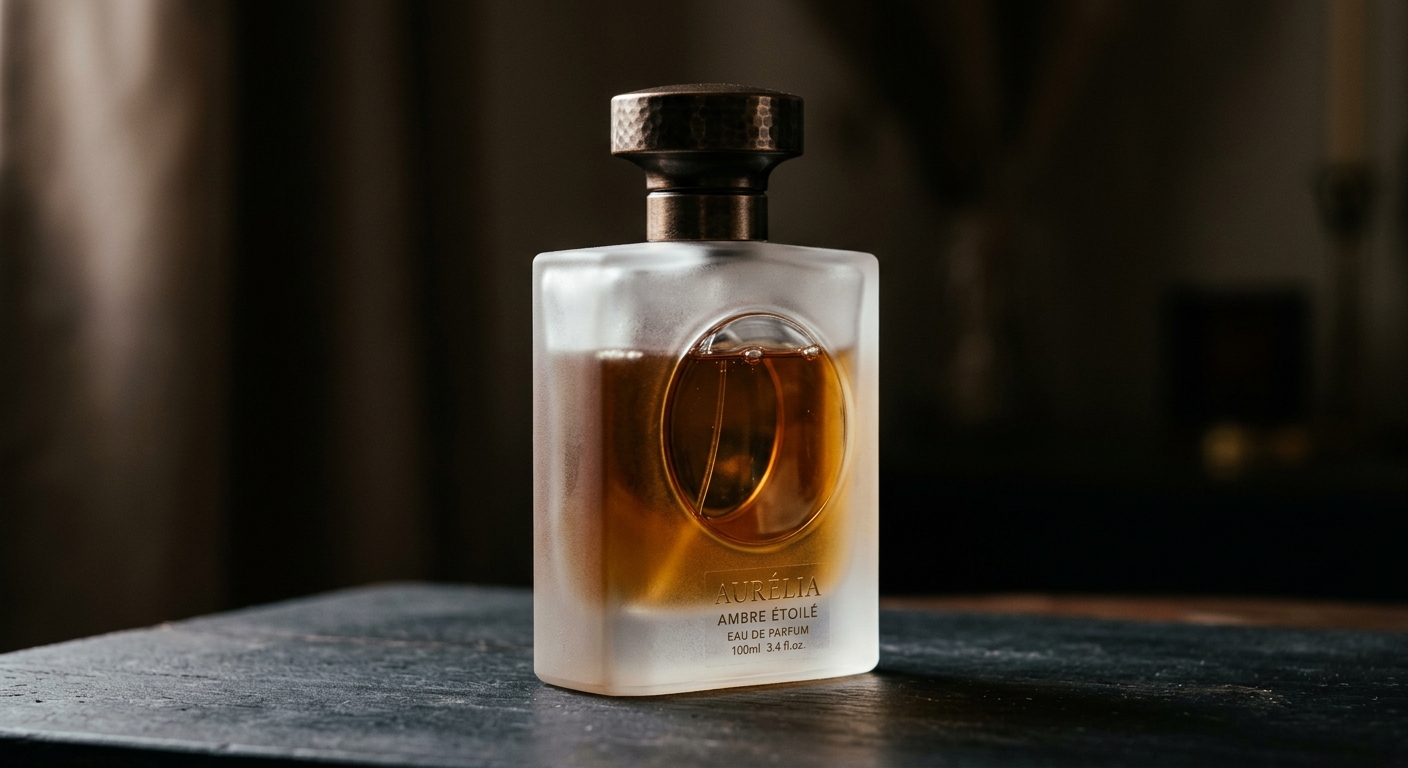
- Acid etching uses hydrofluoric acid to chemically alter the glass surface. The result is permanent, uniform, and silky-smooth. This is the premium standard.
- Sandblasting physically abrades the surface with fine abrasive. Cheaper, but creates a slightly rougher texture and is harder to control around shoulders and necks.
- Spray frost (frosted coating) sprays a frost-effect lacquer onto the bottle. Lowest cost, but it's a coating — it can scratch off, and it doesn't pass dishwasher tests.
A perfume brand sourcing through us recently chose acid-etched frosting on a 50ml square bottle for their flagship line, and spray frost for their sample sizes. Same visual category, but the sample bottles only need to look the part for a few weeks — spray frost saved them about $0.11 per unit at that tier.
Selective frosting (window effect)
One underused trick: frost only part of the bottle. A frosted body with a clear “window” showing the liquid color inside is striking on amber spirits, olive oil, and tinted serums. See our frosted glass cosmetic jars for examples of how this technique applies to skincare packaging.
Spray Coating: When You Need Bold Color or a Gradient
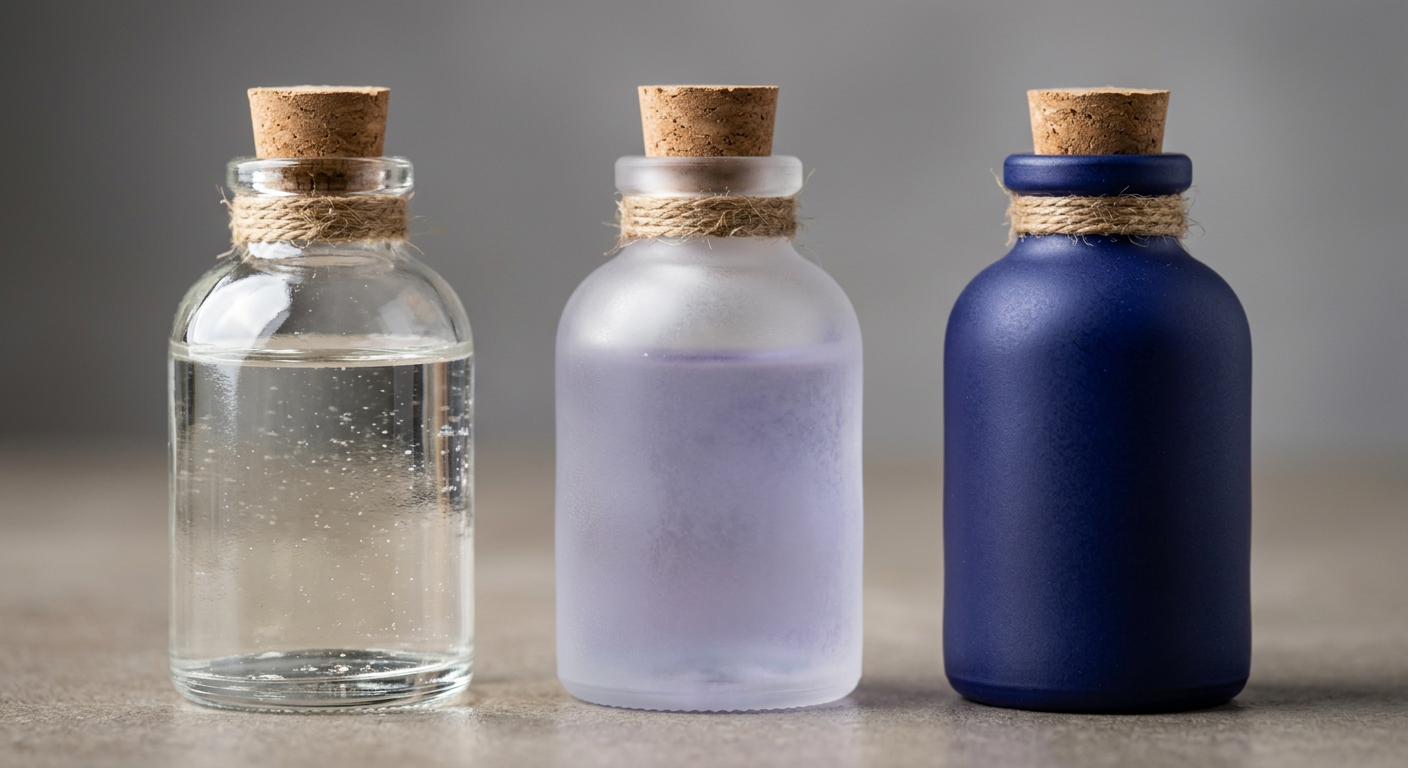
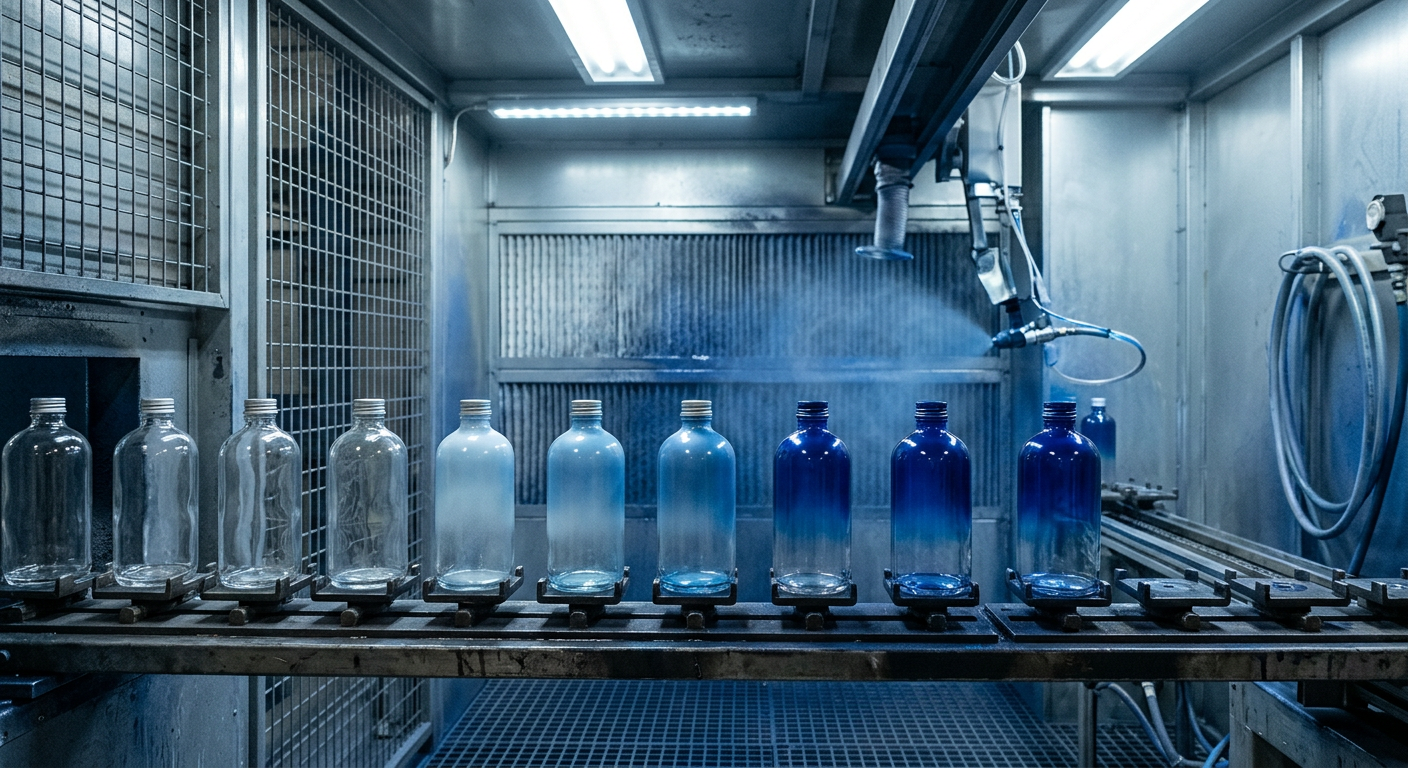
Glass comes in a limited natural color palette — flint, amber, green, cobalt, a few others. If you want hot pink, matte black, sage green, or a sunset gradient, spray coating is how you get there.
Cure types matter
Not all sprayed bottles are equal. The cure process determines whether the coating lasts six months or six years:
- UV-cured coatings: Fast, low-cost, but moderate durability. Best for candles, cosmetics, dry products.
- Thermal-cured (baked) coatings: Higher temperature curing, much better scratch and chemical resistance. The choice for spirits and food.
- Two-component PU coatings: Top-tier durability with excellent chemical resistance. Used on premium fragrance and high-end spirits.
Practical tips
Soft-touch matte coatings have surged in popularity for skincare and craft spirits — they feel like fine paper. But they show fingerprints and scuffs faster than gloss. If your bottle will get heavy retail handling, gloss or satin tend to age better.
For example, a candle brand using our black candle glass selected an exterior thermal-cured matte black coating over clear glass rather than colored-through black glass — same look, roughly 40% lower unit cost at 20k volume, plus they could switch to a different color in future runs without retooling.
Hot Stamping and Foil: Small Detail, Big Premium Signal
Metallic gold lettering on a whisky label. A silver crest on a perfume cap area. These are usually hot stamped — a heated die presses metallic foil onto the glass under pressure, transferring a thin metal layer that bonds permanently.
Hot stamping is cheaper than people assume — typically $0.05–$0.10 per bottle at 10k volume — but it's geometrically restricted. The die needs to press against a flat or gently curved surface. Sharp curves and tight corners are problematic.
Best uses
- Brand logos on flat panels
- Vintage year on spirits
- Awards or certification marks
- Accent details combined with screen printing
One pattern we see often: a craft spirits brand pairs ceramic screen-printed body artwork with a single hot-stamped gold detail on the neck panel. Total decoration cost stays under $0.20, but the perceived value jumps significantly. Our European spirits case study walks through exactly this kind of layered decoration approach.
Embossing and Debossing: Branding Built Into the Glass Itself
Embossing creates raised or recessed designs directly in the glass during the molding stage. No ink, no coating, no foil — the brand mark literally becomes part of the bottle.
The upside: it's permanent, dishwasher-immune, and adds tactile premium signaling that screen print can't replicate. The downside: it requires a custom mold, which means tooling costs of $3,000–$8,000+ and a meaningful lead time addition for first runs.
When embossing makes sense
- You're committing to a long-term proprietary shape
- Annual volumes justify the mold amortization (typically 50k+ units/year)
- Your brand identity benefits from heritage signaling — wine, spirits, premium olive oil, heritage condiments
For most brands launching a new SKU, embossing comes later — once volumes justify the mold investment. Our glass bottle design guide covers when it's worth crossing that bridge.
Labels Still Have a Place — Here's When to Use Them
Direct decoration gets a lot of attention, but paper, plastic, and clear-BOPP labels are still the right answer in plenty of cases.
Labels win when:
- You run frequent SKU updates (limited editions, seasonal variants, batch-specific info)
- You need photographic imagery or extensive ingredient/nutritional info
- You're testing the market with small runs (under 3,000 units) where screen setup costs don't amortize
- You want low MOQ flexibility — labels can be reprinted in hours, screen-printed bottles take weeks
Direct decoration wins when:
- Your design is stable for 12+ months
- You need dishwasher or freezer survivability
- The bottle gets wet in use (sauces, beverages, bath products)
- You want to eliminate labeling labor and inventory complexity
A good middle path: ceramic screen print the permanent brand identity, then add a small variable-info label for batch numbers or seasonal claims.
Matching Decoration to Product Category
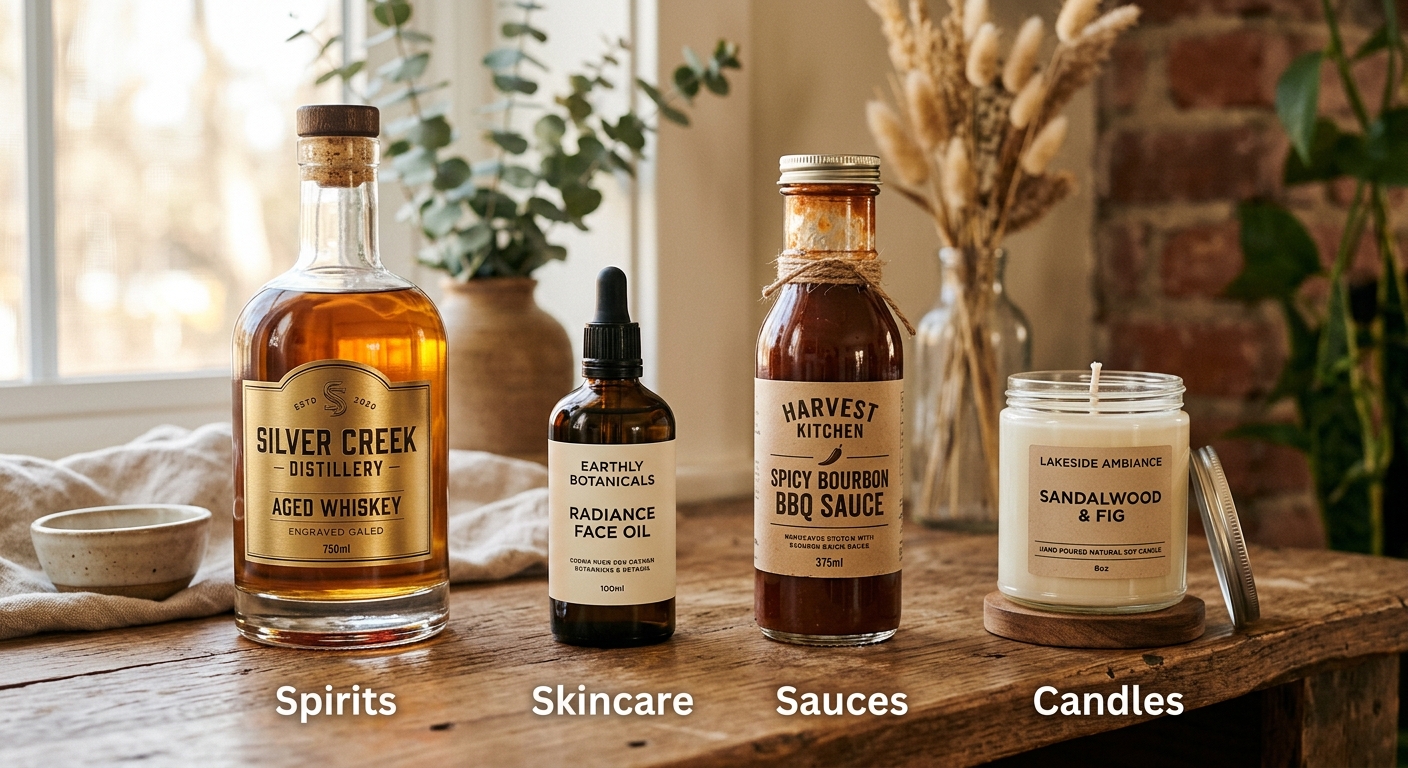
Here's the practical cheat sheet — which decoration works best for which category, based on what actually sells.
Spirits and wine
Acid frosting + hot stamp + selective embossing is the prestige stack. For mid-tier, ceramic screen print on flint glass with a metallic foil accent.
Perfume and fragrance
Acid frosting or full spray coating with hot-stamped logos. Photorealistic detail is rare here — fragrance branding leans minimalist. Browse our perfume bottle range to see common decoration patterns.
Skincare and cosmetic jars
Matte spray coating in muted brand colors is dominant in 2026. Pair with single-color screen print for product names. For dropper-based products, see our dropper bottle guide.
Honey, sauces, condiments
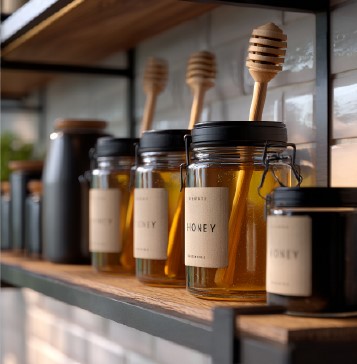
Two-color ceramic screen print is the sweet spot — durable through wet kitchen use, looks artisan, scales economically. Our honey glass bottles page shows common formats.
Beverages (juice, cold brew, kombucha)
Ceramic screen print survives the cold chain and condensation; labels often peel. Worth the upfront cost for any brand running 10k+ units quarterly.
Pharmaceutical and supplement
Screen print is standard for regulatory text. Amber glass + white ceramic print remains the universal visual language — see amber pill bottles for typical formats.
Candles
Spray coating dominates because the visual color story matters more than chemical resistance. Soft-touch matte black, sage, cream, terracotta — all common in 2026.
Common Mistakes That Cost Brands Money
A few patterns we see often enough to flag:
- Overspecifying decoration on test runs. Brands launching a new SKU sometimes commit to four-color print plus frosting plus embossing before market validation. Start simpler. Layer complexity once you know the SKU will scale.
- Ignoring fill-line conflicts. Your decoration needs to leave clear space for fill-level inspection. We've seen brands have to redo screens after their QC team realized the bottling line camera couldn't read through dense artwork.
- Choosing soft-touch coating for high-handling SKUs. Soft-touch looks gorgeous in studio photos, but a $4 candle traveling through a retail supply chain will arrive scuffed. Pick gloss or satin if handling is rough.
- Underestimating color matching tolerance. Ceramic ink colors can drift slightly between batches. If exact Pantone consistency is critical, specify it in your contract and budget for tighter QC.
- Forgetting recyclability claims. Coatings and inks affect recyclability classification in some markets. If your sustainability story matters, choose ceramic inks (which fuse with the glass) over heavy plastic coatings.
Putting It All Together
The cleanest decision path looks like this: pick a base glass color and clarity grade first, decide whether your brand needs premium tactile signaling (frosting) or bold color (coating), then layer your brand identity on top with screen printing, hot stamping, or embossing depending on volume and budget. Don't stack every technique at once. The best-decorated bottles usually combine two methods — not five.
If you're sourcing wholesale glass packaging and want help mapping the right decoration combination to your product, volume, and unit-cost target, the team at packafill can run samples across multiple finishes before you commit to mass production. We work with brands across spirits, skincare, food, and pharma on everything from single-color screen prints at 10k MOQ to fully custom embossed-and-frosted private molds. Start with our design guide or reach out for a quote on your specific bottle and decoration combination.