-

Arabic
-
English
-
French
-
Malagasy
-
Portuguese
-
Russian
-
Spanish
-
Thai



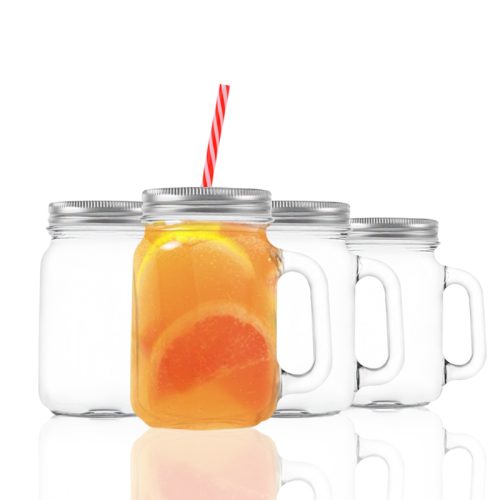
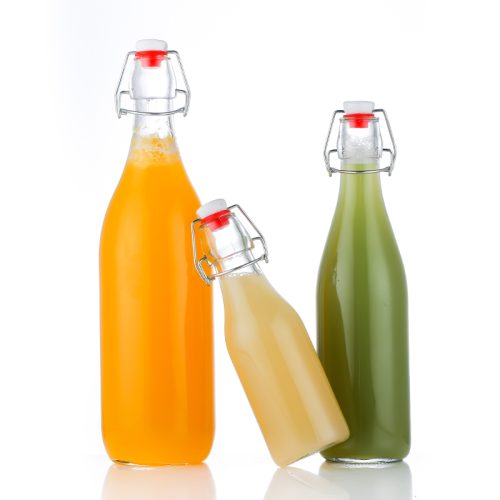
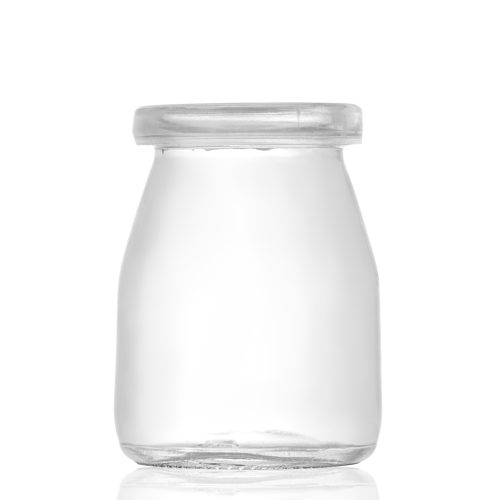
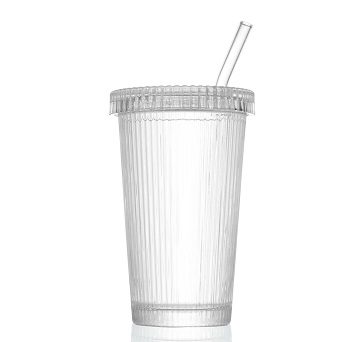


If your product sits on a mainstream shelf and clarity is “clear enough,” flint glass is the right call — it’s the global standard for clear bottles and jars, and it costs less. If your brand competes on luxury cues, where the bottle itself sells the product, extra-flint glass is worth the 15–35% premium because it removes the faint blue-green tint that ordinary flint can’t shake. Below, we break down the chemistry, the cost math, and the buying decisions we walk customers through every week.
What Actually Separates Flint from Extra-Flint
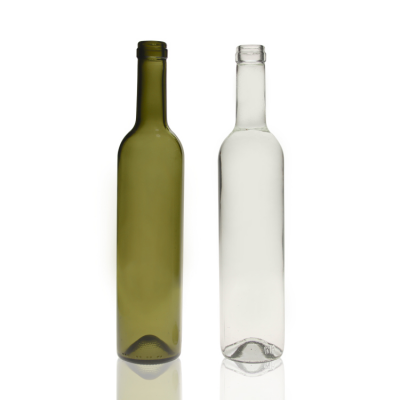
It comes down to iron. Standard flint glass contains roughly 0.04–0.08% iron oxide (Fe₂O₃), which gives it that subtle blue-green cast you only really notice when you look down through the bottle’s shoulder or stack pallets in daylight. Extra-flint pushes iron content below 0.015%, often achieved by selecting low-iron silica sand and adding decolorizing agents like selenium and cobalt oxide to neutralize any residual tint.
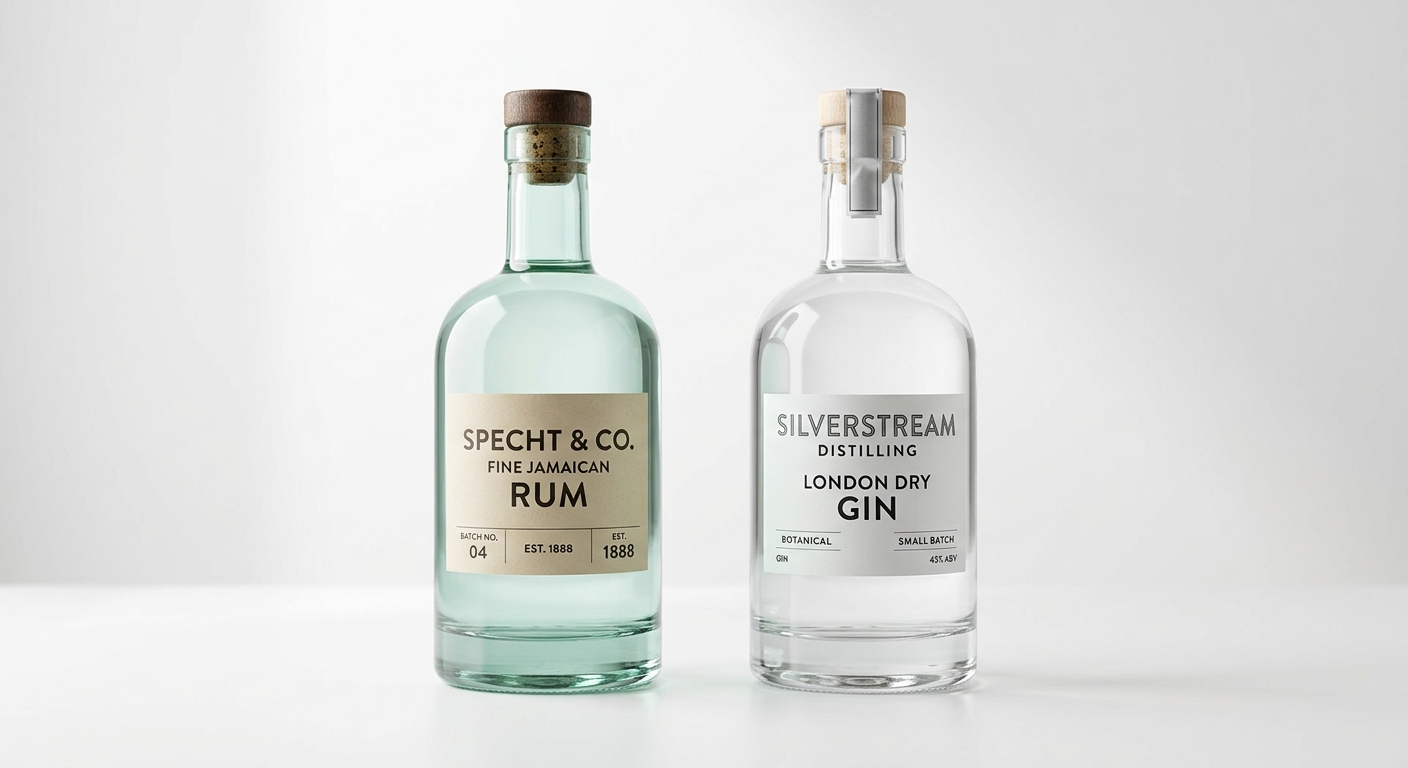
The result isn’t a different category of glass — it’s the same soda-lime composition with tighter raw material specs. But that tighter spec changes how light moves through the bottle. Extra-flint transmits roughly 91–92% of visible light, versus 87–89% for ordinary flint. The eye picks it up instantly when bottles sit side by side under retail lighting.
Why the tint exists at all
Iron is everywhere in nature, including in silica sand. Removing it entirely is expensive, which is why standard flint accepts a small amount and lets the eye compensate. Extra-flint is the answer when the eye shouldn’t have to compensate.

When Flint Glass Is the Smarter Choice
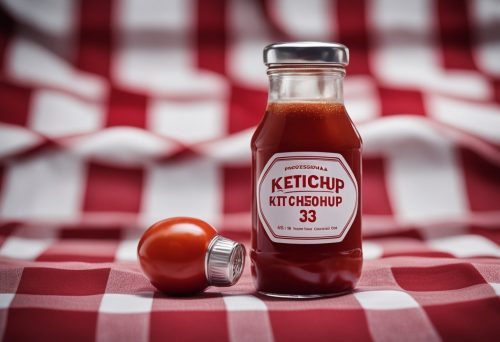
Flint is the workhorse for a reason. It’s cheaper, faster to source, and supports higher recycled cullet ratios — which matters if sustainability claims are part of your brand story. For most food and beverage applications, the residual tint is invisible to consumers because the contents fill the bottle: tomato sauce, beer, honey, milk, juice. Nobody sees the glass at all.
Categories where flint typically wins:
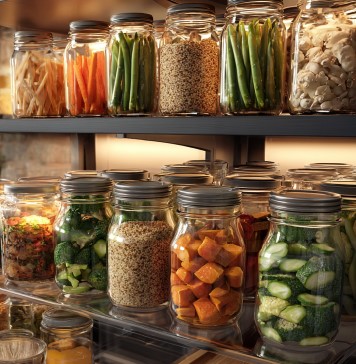
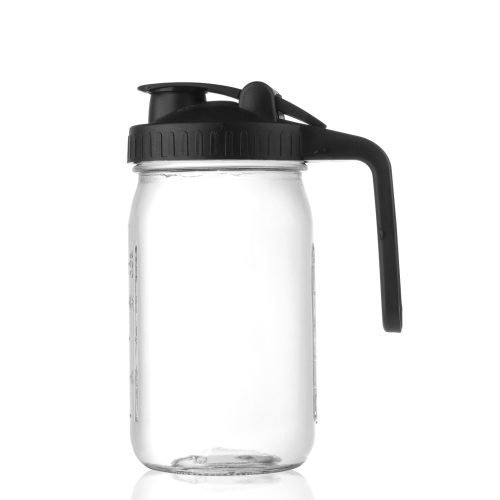
- Sauces, condiments, jams, and spreads in standard mason jars
- Beer and mainstream beverages (the liquid carries the visual)
- Glass milk bottles and dairy
- Pharmaceutical packaging like the Boston round where function trumps aesthetic refinement
- Private-label products competing on price
For instance, a regional craft sauce brand we work with runs 80,000 units a month in flint Boston rounds. They tested extra-flint as a premium SKU and found the visual lift was invisible behind a full-coverage label — so they kept the budget where it mattered: better closures and a heavier base.
When Extra-Flint Earns Its Premium
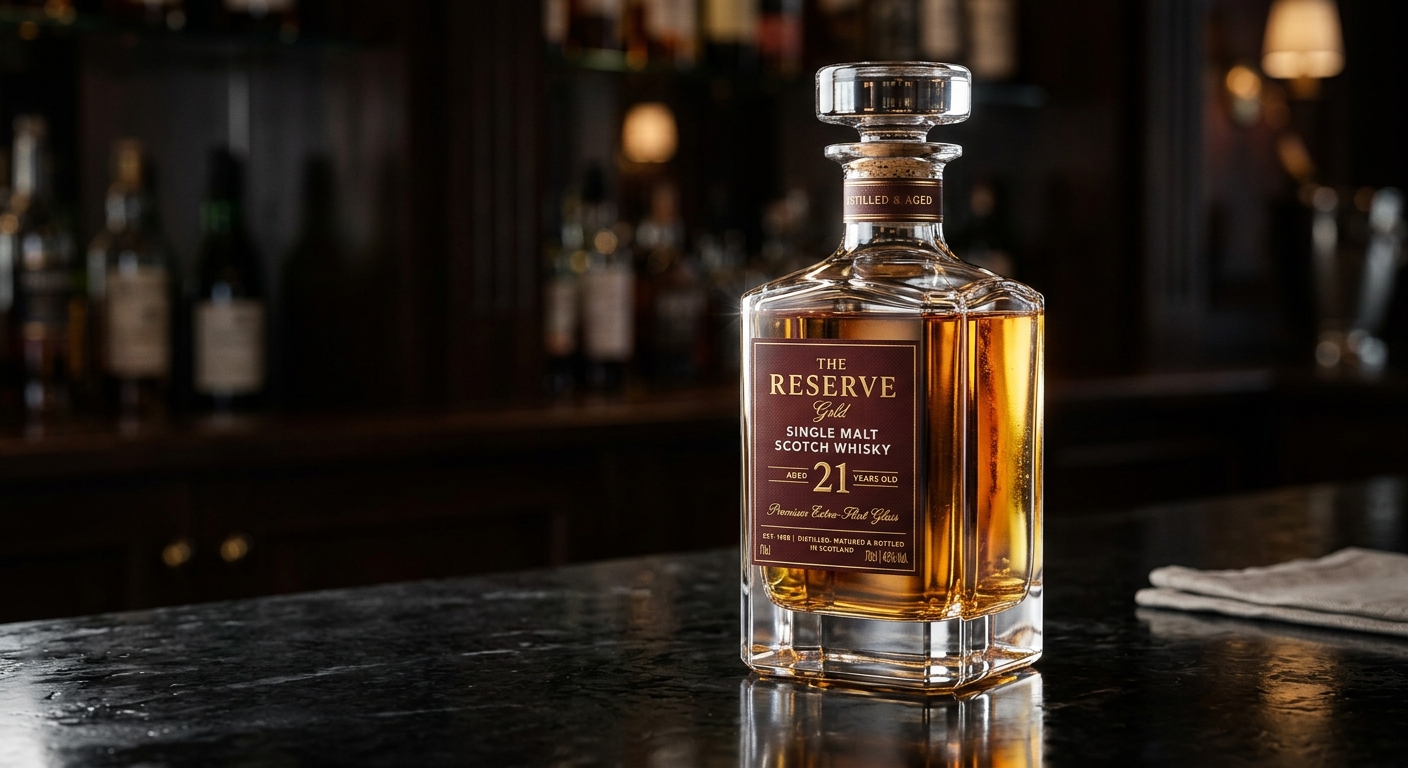
Extra-flint pays off when the glass itself is the product’s visual centerpiece. Think luxury spirits where the liquid is barely tinted, fine fragrance where consumers literally hold the bottle up to the light, or premium skincare where a clear jar showcases serum color and viscosity. Any tint reads as “cheap” in those contexts — even if the consumer can’t articulate why.
Categories where extra-flint typically wins:
- Premium vodka, gin, and white spirits — see our notes on vodka bottle pricing tiers
- Perfume bottles and fragrance flacons
- Luxury cosmetic jars for serums, oils, and clear gels
- Olive oil and specialty culinary oils where color signals quality
- High-end mineral water and functional beverages
A European spirits client — we wrote about their development process in this case study — specifically chose extra-flint because their gin’s subtle botanical hue would have been muddied by flint’s green cast. The decision added about 22% to glass cost but let them price 40% higher than the closest competitor.
The Real Cost Difference in 2026
Raw material costs for low-iron silica have stabilized after the 2024 mining disruptions, but extra-flint still carries a 15–35% premium over flint at the bottle level, depending on order volume and bottle complexity. The premium narrows on large orders (above 500,000 units) and widens on small custom runs where setup costs dominate.
Side-by-side comparison
| Criteria | Flint Glass | Extra-Flint Glass |
|---|---|---|
| Visual clarity | Slight greenish/blue tint | Near water-white |
| Iron oxide content (Fe₂O₃) | ~0.04–0.08% | <0.015% |
| Typical cost premium | Baseline | +15–35% |
| Minimum order viability | Low MOQ friendly | Higher MOQ recommended |
| Best for | Mainstream food, beverage, cosmetics | Luxury spirits, perfume, premium skincare |
| Lead time impact | Standard | +1–2 weeks possible |
| Decoration compatibility | All standard techniques | All techniques, results more vivid |
| Sustainability profile | Higher recycled cullet ratio | Lower cullet ratio for purity |
One detail buyers often miss: extra-flint sometimes runs on dedicated furnace campaigns rather than continuous production, which is why lead times can stretch. If you need 200,000 extra-flint units by a fixed launch date, build in an extra two weeks.
How Decoration Behaves Differently on Each Grade
Here’s something most spec sheets won’t tell you: extra-flint makes screen printing and colored coatings look noticeably more saturated. Why? Because there’s no underlying tint shifting the color reading. A pure white print on flint glass picks up a faint cool cast; the same white on extra-flint reads as a clean, crisp white.
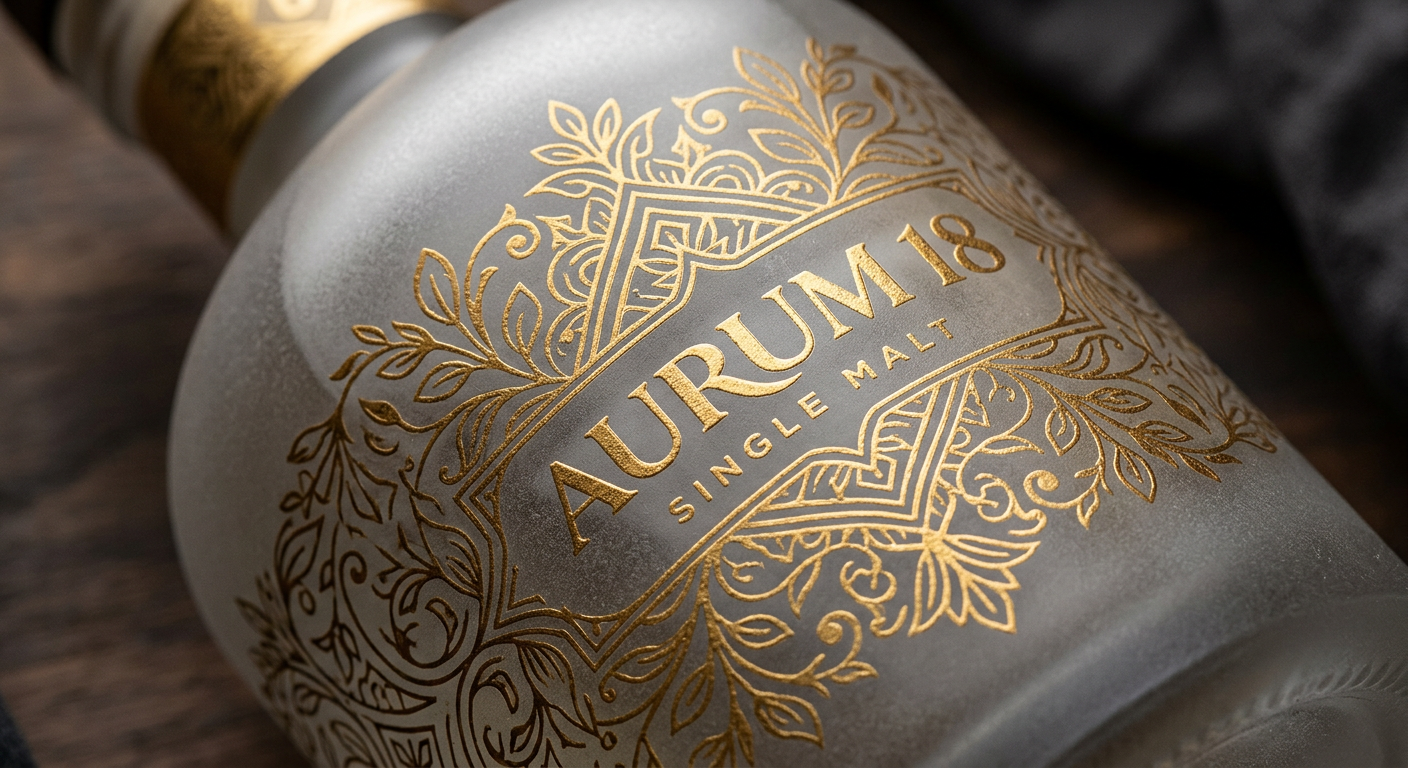
Frosting behaves differently too. Frosted flint glass has a slightly warmer, milky appearance. Frosted extra-flint looks closer to a true ice-white — which is why luxury fragrance houses almost always specify extra-flint when they want that signature frosted-crystal look.
If your brand uses gold or rose-gold metallic decoration, extra-flint is almost mandatory. Metallic inks rely on substrate clarity to sparkle. Print gold on flint glass and it can look slightly muddy under warm retail lighting.
Sustainability and Recycled Content Trade-Offs
This is where the decision gets genuinely interesting. Flint glass can incorporate 40–70% recycled cullet without compromising clarity meaningfully. Extra-flint typically caps recycled content around 10–20% because incoming cullet carries unpredictable iron levels that compromise the low-iron spec.
So if your brand leads with carbon footprint and circular-economy messaging, flint with high cullet content is genuinely the more sustainable choice. We’ve had cosmetics brands deliberately downgrade from extra-flint to flint specifically to claim “made with 60% recycled glass” on pack — and consumer research showed that claim outperformed marginal clarity gains.
It’s a real trade-off. Pick the story you want to tell.
Practical Decision Framework for 2026 Buyers
Run your project through these five questions before locking in a clarity grade:
- Will the bottle be more than 50% covered by a label or sleeve? If yes, flint is almost always sufficient.
- Is the liquid colored or opaque? Opaque contents (sauces, creams, dark spirits) hide the glass tint — flint works.
- Does your retail price position you in the top 20% of your category? Premium pricing usually justifies extra-flint.
- Are you using metallic decoration or frosting as a signature design element? Extra-flint will make those decorations noticeably more impactful.
- Is recycled content part of your brand story? Flint with high cullet content delivers better sustainability metrics.
A practical example: a skincare startup launching a clear-bottle serum line at $48 retail asked us whether the upgrade was worth it. The serum was nearly colorless, the bottle had minimal labeling, and the brand positioned around luxury minimalism. Extra-flint was an easy yes. Compare that to a $9 olive oil destined for grocery shelves — flint, every time.
Specifying Clarity Grade in Your RFQ
When you request quotes, vague language causes expensive surprises. Avoid “crystal clear” or “super clear” — those terms mean different things to different factories. Instead, specify:
- Glass type: Flint or extra-flint (sometimes called “flint extra white” or “super flint”)
- Maximum iron oxide content if you have a strict spec (e.g., ≤0.015% Fe₂O₃)
- Light transmission target if applicable (e.g., ≥91% in visible spectrum)
- Acceptable cullet ratio if sustainability claims are involved
- Decoration plans so the factory can recommend the right grade for your finish
Whether you’re ordering 500ml Boston rounds, custom spirits bottles, or dropper dispensing bottles, getting these details right at the RFQ stage saves weeks of sampling rounds and prevents mid-production surprises.
The Bottom Line for Your 2026 Glass Sourcing
Flint glass remains the right answer for the vast majority of clear bottle and jar applications — it’s economical, supports recycled content, and looks great once filled. Extra-flint is the upgrade that pays off when your bottle is the silent salesperson on a shelf, when decoration needs to pop, or when your price point demands a flawless visual signature. The wrong choice in either direction costs money: paying for clarity you don’t need, or saving on glass that quietly undermines a premium brand.
If you’re weighing the trade-off for an upcoming launch, our team can send physical samples of both grades in your target bottle shape so you can see the difference under your own lighting. Get in touch with packafill — we’ll help you spec the right clarity grade, the right closure, and the right decoration for your 2026 production run.