-

Arabic
-
English
-
French
-
Malagasy
-
Portuguese
-
Russian
-
Spanish
-
Thai


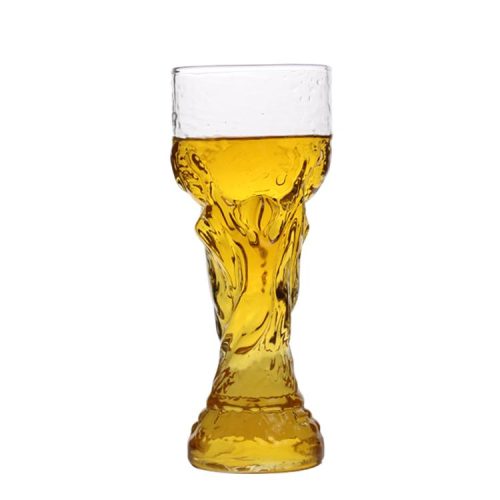
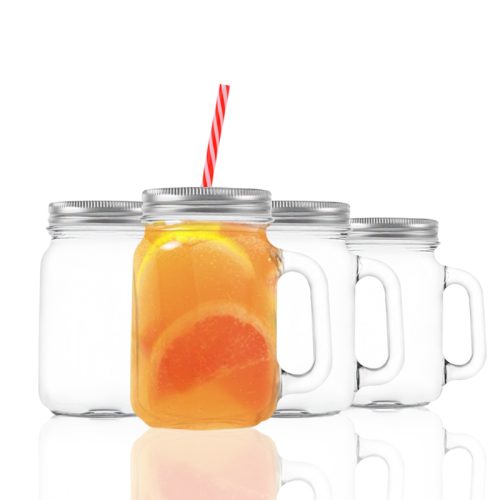
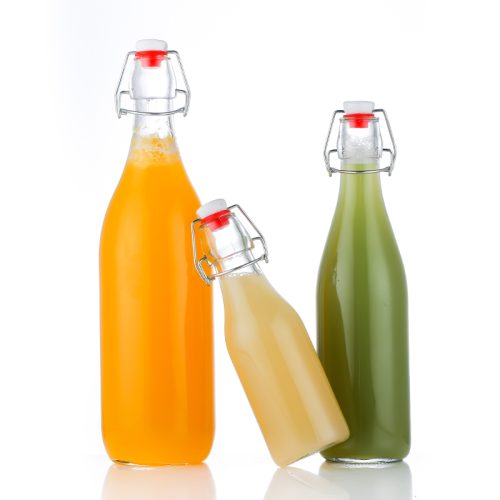
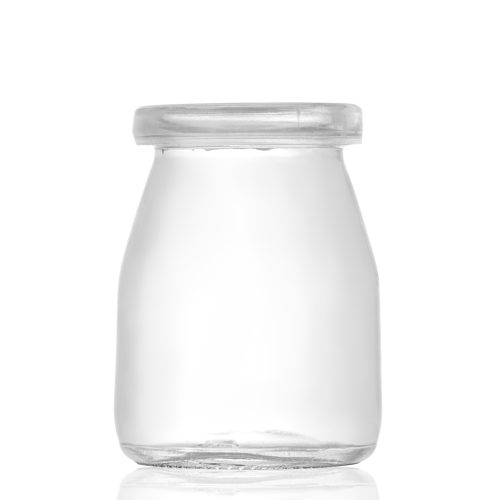
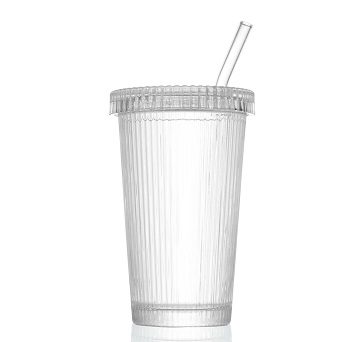
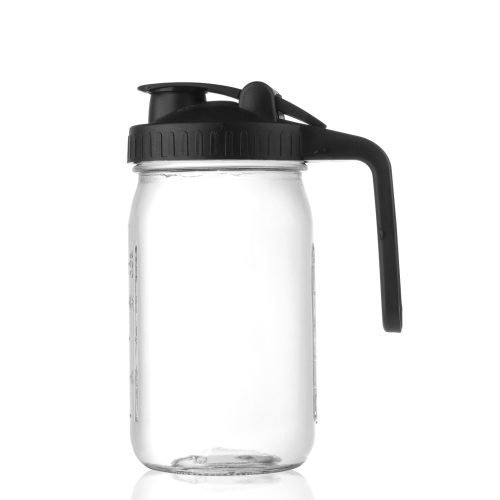


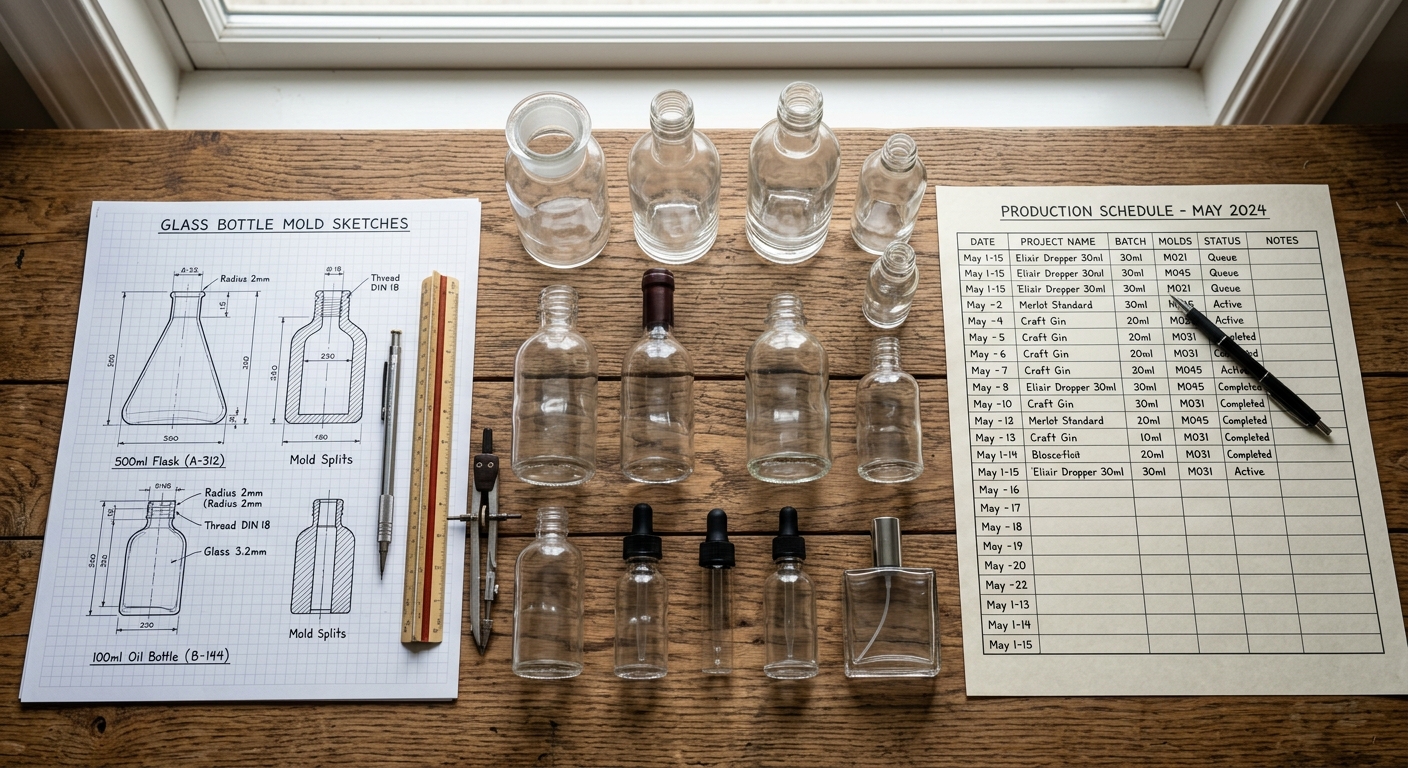
For stock glass bottle molds, expect an MOQ around 1,000–5,000 pieces, sample turnaround of 5–15 days, and production lead times of 25–40 days. If you need a brand-new custom mold, the numbers jump significantly: MOQs often start at 10,000–30,000 pieces, mold development alone takes 35–55 days, and total lead time from deposit to shipment can run 70–100 days. Knowing which category your project falls into — before you request a quote — saves weeks of back-and-forth and prevents budget surprises down the line.
Why MOQ Isn't One Number — It Depends on What You're Actually Ordering
Ask a factory 'what's your MOQ?' and you'll get a vague answer, because the honest answer is: it depends on the mold. Glass manufacturing runs on furnace economics — once a furnace is melting glass for your color and shape, the factory wants that production run to be worth the changeover cost. That's why MOQs differ so wildly between a bottle picked from an existing catalog and one built from a brand-new mold.
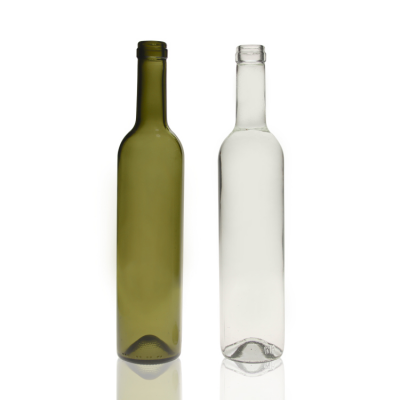
If you're choosing from an existing shape — say a 500ml Boston round glass bottle or a standard perfume bottle silhouette — the mold already exists and is shared across multiple clients. MOQs here are lower, often 1,000–3,000 pieces, because the factory isn't dedicating tooling exclusively to you.
Custom Molds Change the Math Completely
Request a fully custom shape — unique shoulder curve, embossed logo, proprietary silhouette — and the factory now has to cut steel molds that only work for your bottle. That tooling cost gets amortized across your order, which is why MOQs for new private molds typically start at 10,000 pieces and often sit closer to 20,000–30,000 for smaller regional suppliers to make it worthwhile.
The Sampling Process: What Actually Happens Between Quote and Approval
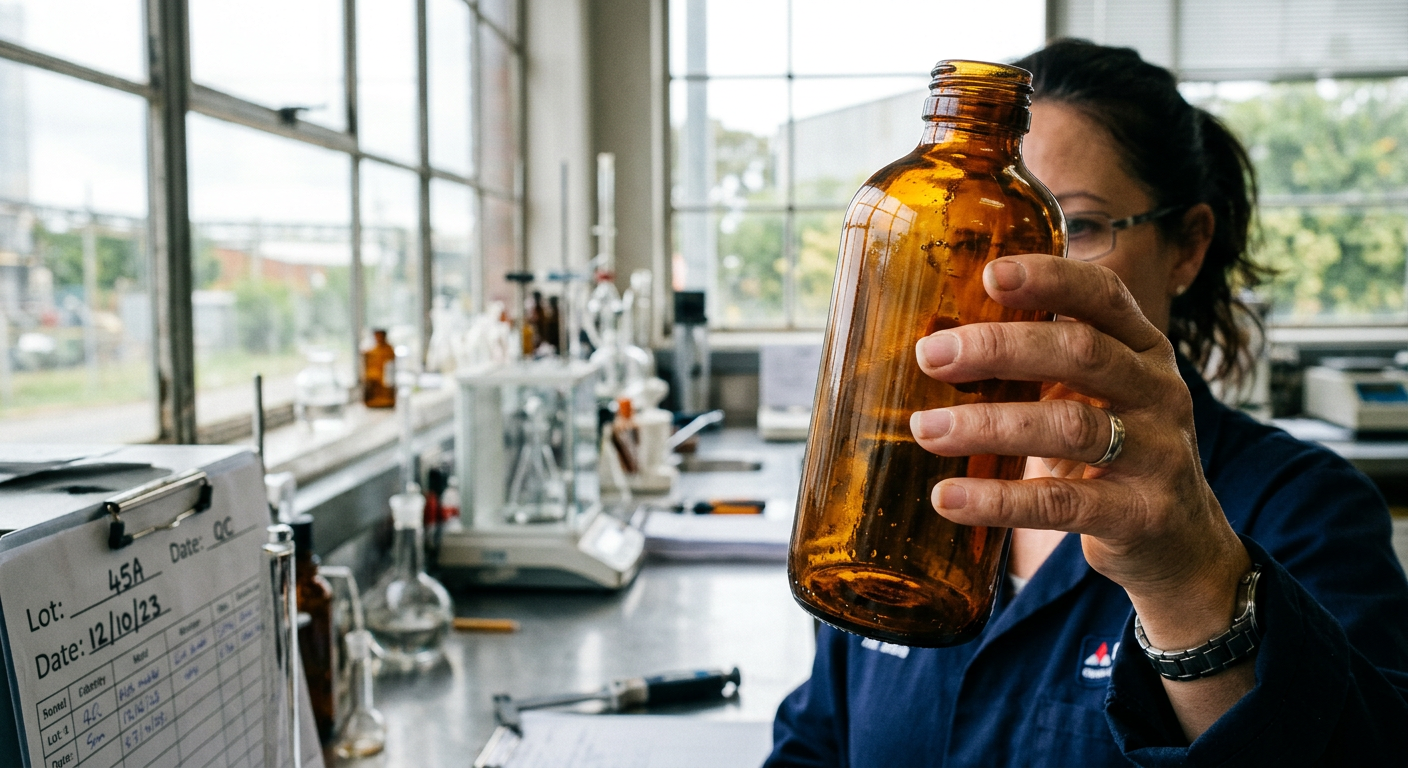
Sampling isn't a single step — it's usually two or three distinct rounds, and skipping stages is exactly how buyers end up with a production run that doesn't match what they approved. First comes a design/render review, then a physical pre-production sample, and sometimes a final confirmation sample after tooling adjustments.
Stock Mold Samples
If your shape already exists in a factory's catalog, samples can ship within 3–7 days since they're often pulled from existing stock or a quick short-run. You're mainly confirming glass color, weight, and closure fit.
Custom Mold Samples
New molds require a trial run on the production line — this is where 'first shot' samples come from. Expect 35–55 days before you see a physical sample, because the mold has to be cut, mounted, and test-run before anyone can hold the actual bottle. For instance, a spirits brand developing a signature decanter shape typically goes through two sample rounds: one to check the base silhouette, a second after minor mold corrections for wall thickness or neck alignment. Our case study on how a European spirits brand developed a signature bottle from scratch walks through exactly this process end to end.
One thing buyers underestimate: shipping the sample internationally adds another 3–7 days via express courier. Build that into your timeline, not just the production side.
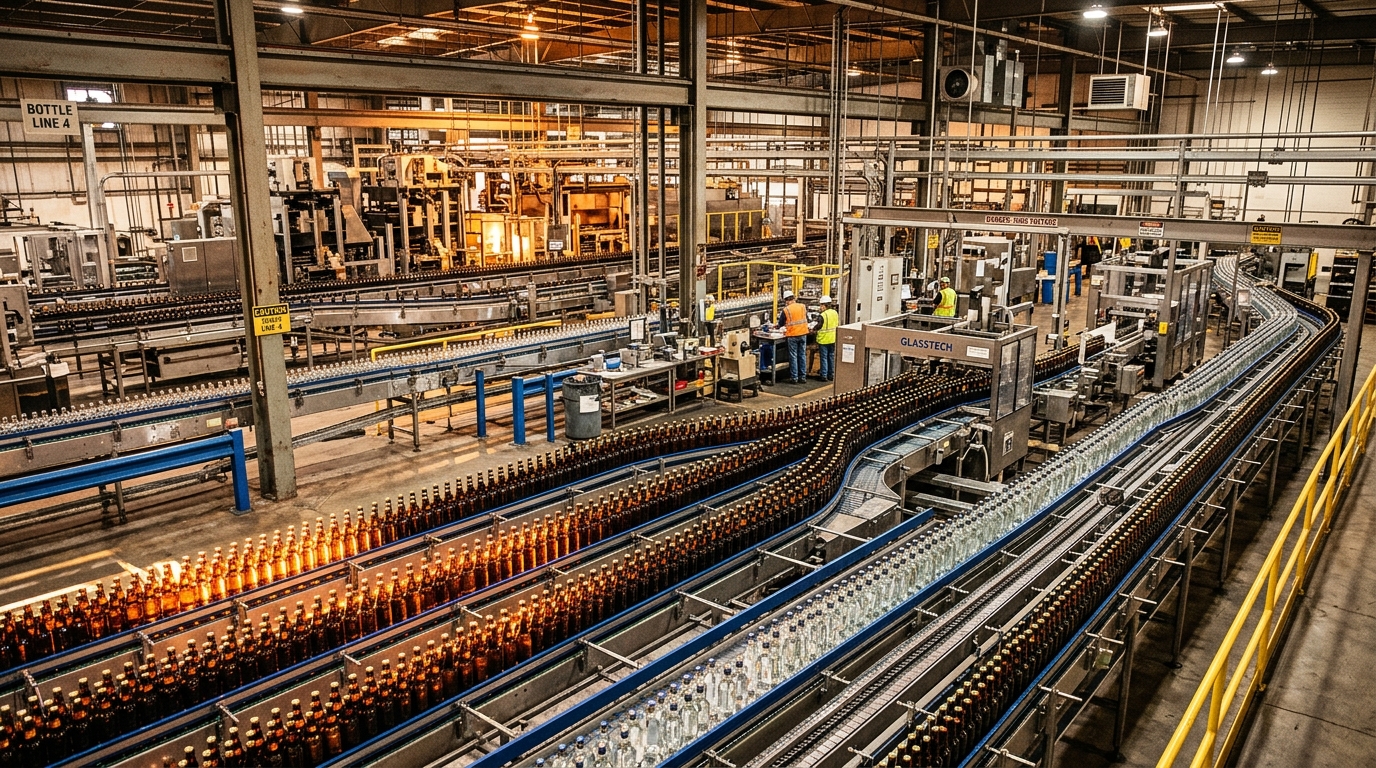
Lead Time Breakdown: Where the Weeks Actually Go
A quoted '30-day lead time' rarely means 30 calendar days from your deposit to a container leaving port — it usually starts counting after sample approval. Here's the realistic sequence for a mid-size order of stock-mold bottles:
- Days 1–10: Sample review and approval, deposit payment processing
- Days 10–15: Raw material batching, furnace scheduling slot confirmed
- Days 15–35: Molding, annealing, quality inspection
- Days 35–45: Decoration (printing, frosting, coating), packing, palletizing
- Days 45–55: Loading, documentation, vessel departure
Custom-color glass adds time because furnaces need a dedicated color batch — switching from clear flint to an amber or cobalt run isn't instant. If your project involves decoration like screen printing or spraying, that's a separate production stage after the raw glass is annealed, not something that happens in parallel. Buyers comparing flint versus extra-flint glass clarity grades should note that extra-flint runs sometimes require tighter furnace scheduling, which can shift lead time by a few days.
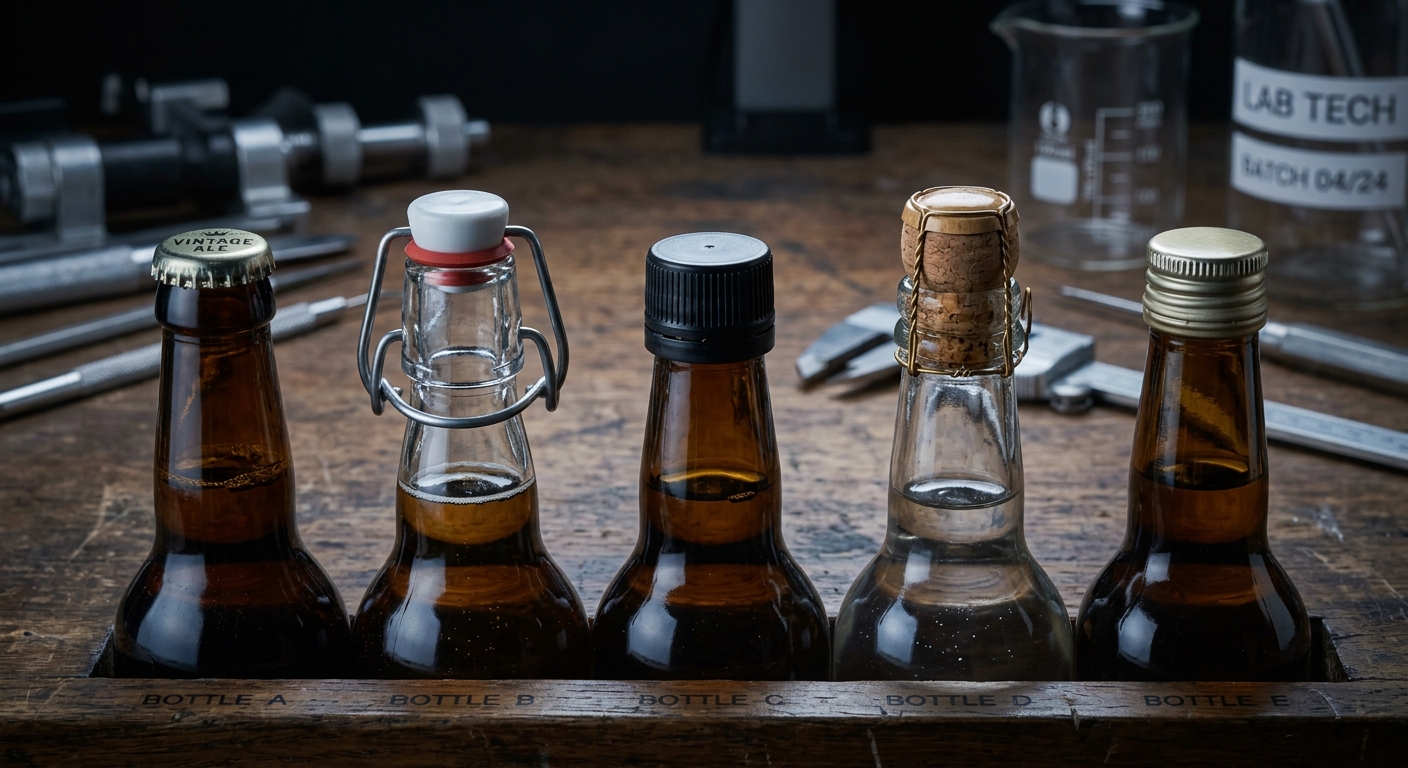
Seasonal Bottlenecks That Extend Lead Times
Ordering in Q3? Add two to three weeks to whatever the factory quotes you. Glass packaging demand spikes hard before the fall/winter holiday season — beverage, spirits, and candle brands all compete for furnace capacity between August and October.
Chinese New Year is the other predictable disruption. Factories typically shut down for 2–3 weeks in late January or February, and the weeks before and after are congested with orders trying to beat the closure or catch up after it. If your timeline touches this window, place orders by early December to avoid getting stuck in the queue.
A practical example: a candle brand ordering frosted candle jars with wooden lids for holiday launch needs samples approved by August at the latest to have finished goods in a warehouse by November.
How Closures and Decoration Affect Your Timeline
The bottle is rarely the bottleneck — the closure and decoration often are. If your neck finish requires a custom cap tooling or a specific pump mechanism, that supplier has their own MOQ and lead time running in parallel, and it needs to sync with your glass production schedule. Mismatched timelines between glass and closure suppliers are one of the most common causes of shipment delays.
Surface decoration adds its own queue too. Screen printing and hot-stamping are relatively fast, often adding just 5–7 days. Frosting or spray coating takes longer because it requires curing time — plan for an extra 10–14 days. If you're still finalizing which finish works with your closure, our guide on neck finishes and closure compatibility (currently in draft, not linked live yet) covers the technical fit issues — but the short version is: confirm neck finish and closure supplier before locking your glass mold, not after.
Sizing Your First Order Correctly
New importers frequently order right at the MOQ threshold, then run out of stock faster than expected because they underestimated regional demand. A smarter approach: order the MOQ for your primary SKU, but ask the factory about mixed-order flexibility — many manufacturers allow combining shapes within the same color batch to spread risk across a few SKUs without tripling your total spend.
For example, a distributor stocking wine bottles for multiple regional clients might combine an order across 750ml wine bottles and a secondary Bordeaux-style shape in the same production run, hitting combined MOQ while still testing two products in market. This works well with standard wine bottle sizes since molds are often shared across a supplier's existing tooling library.
Questions to Ask Before You Commit to a Quote
A quote with just a price and 'MOQ: 5000' tells you almost nothing about risk. Before signing, ask the factory these directly:
- Is the sample lead time counted separately from production lead time, or included in the total quoted number?
- What happens if the first sample fails inspection — is a second sample round free or billed?
- Is the MOQ per SKU/color, or can it be split across similar shapes?
- Does the quoted lead time include decoration and closure assembly, or just raw glass?
- What's the cushion for furnace scheduling delays during peak season?
Getting clear answers here separates suppliers who manage expectations well from those who quote optimistically and explain delays later.