-

Arabic
-

English
-

French
-

Malagasy
-

Portuguese
-

Russian
-

Spanish
-

Thai
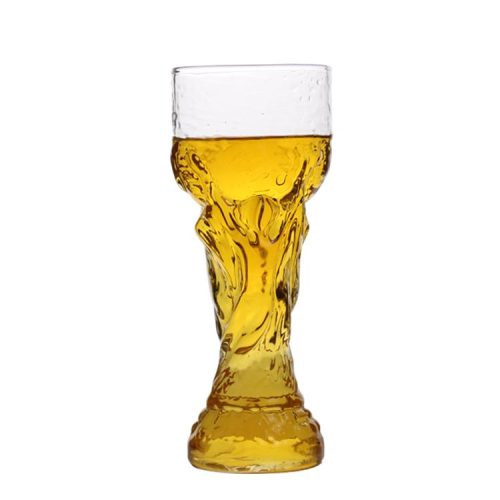
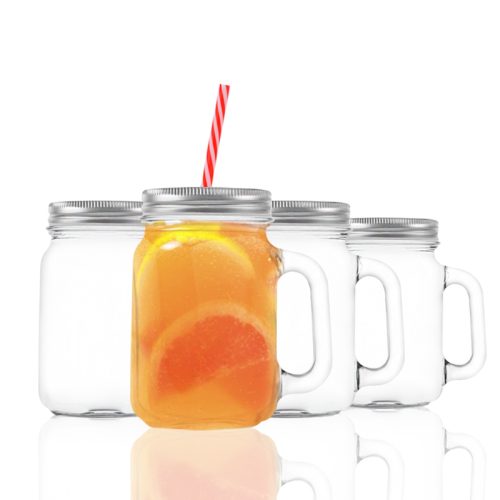
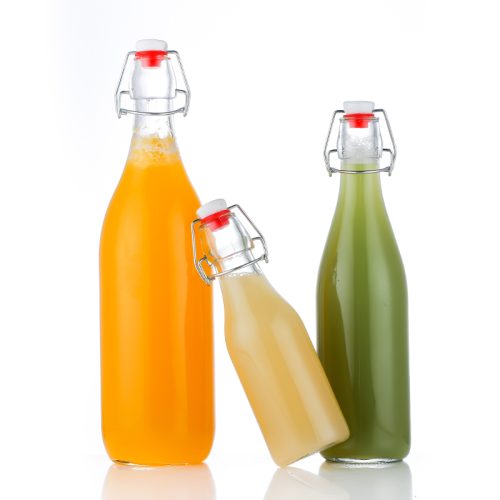
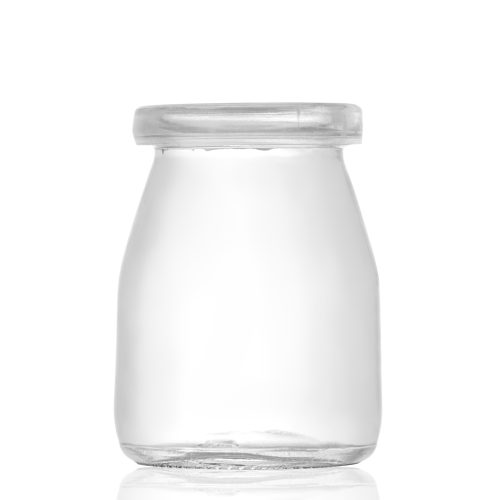
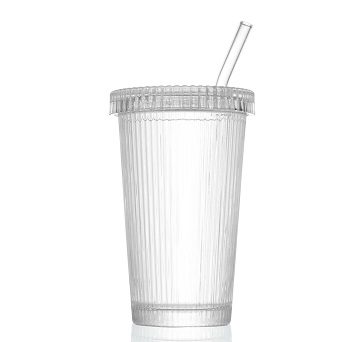
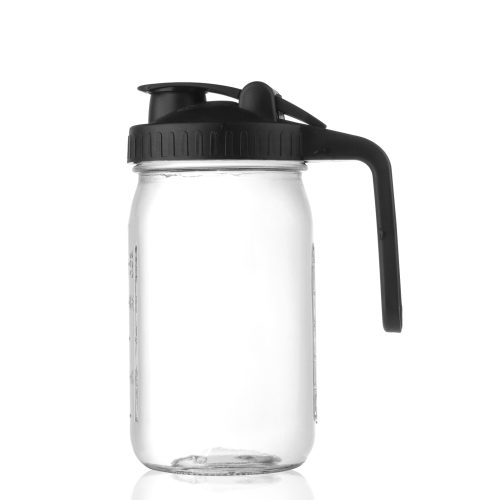
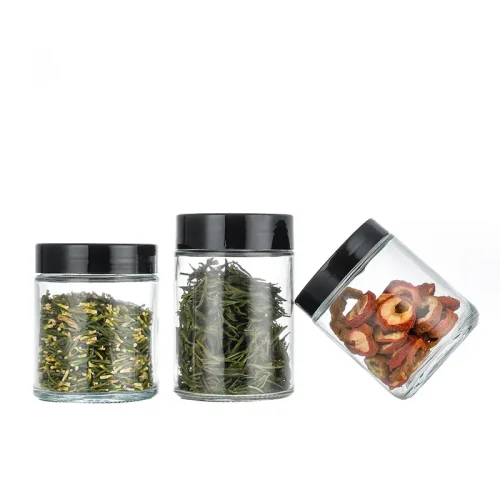
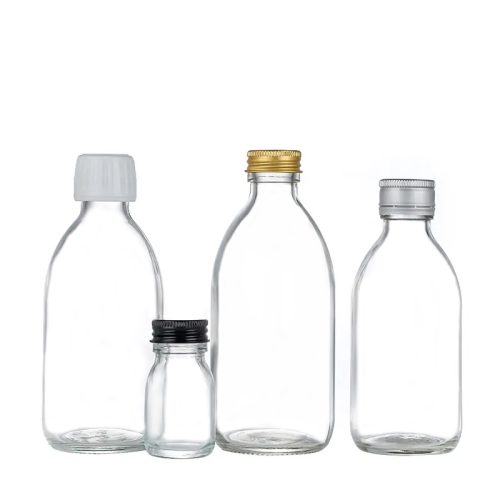
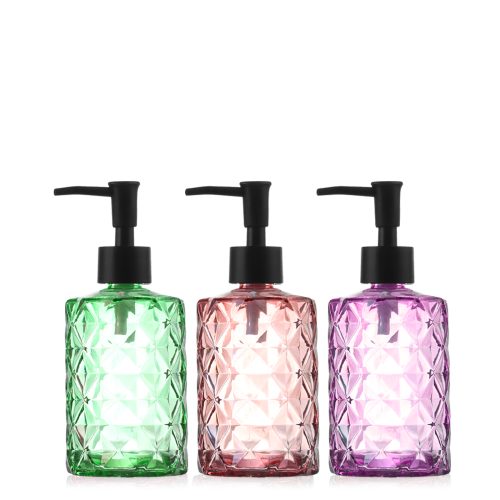
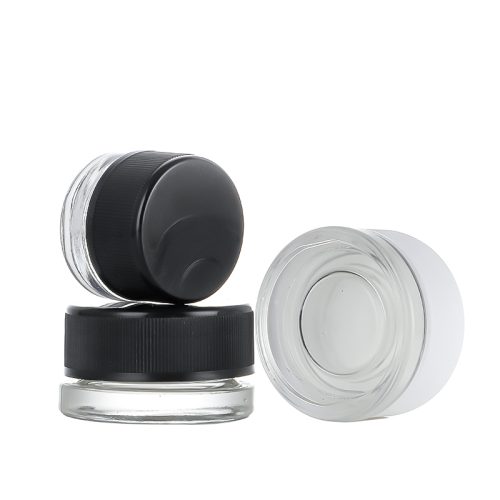
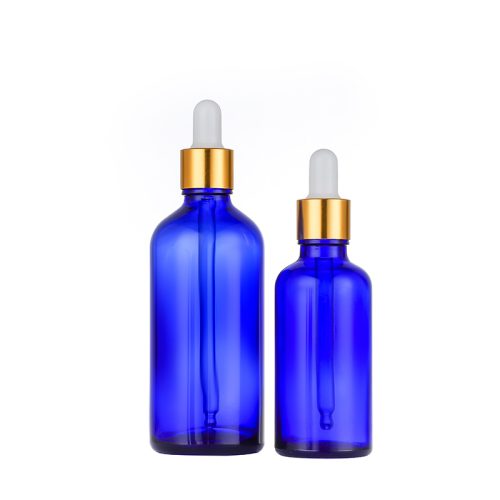
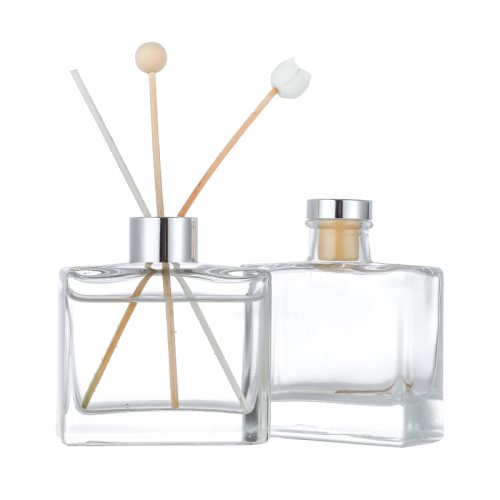
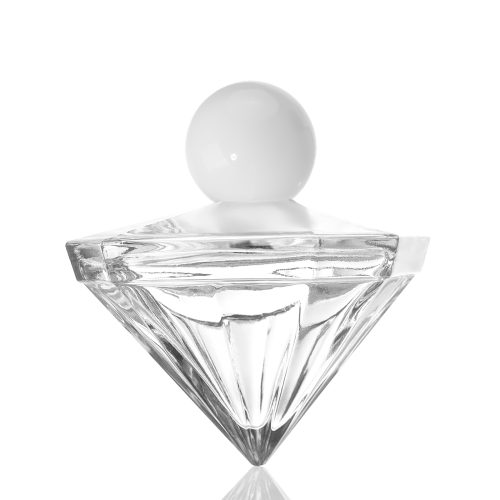
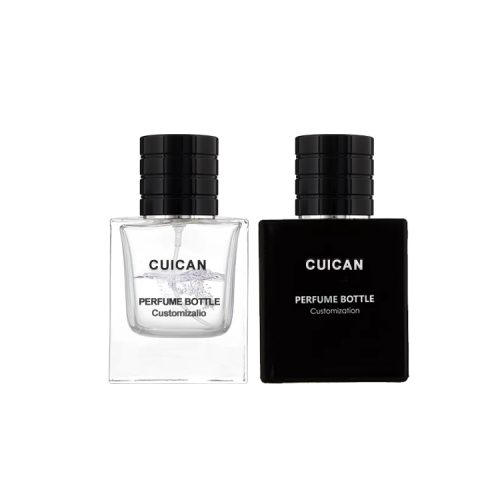
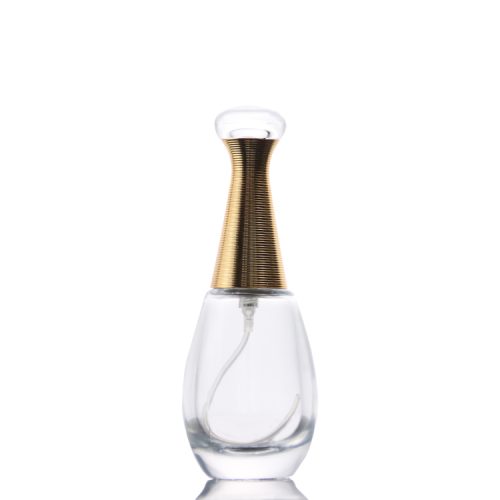
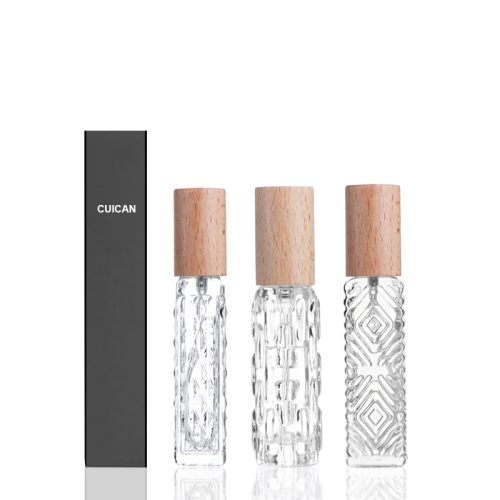
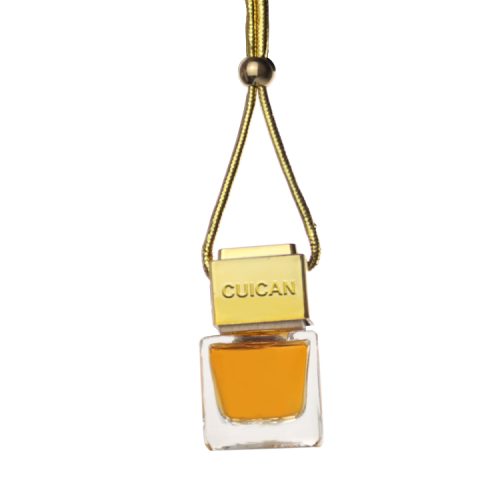
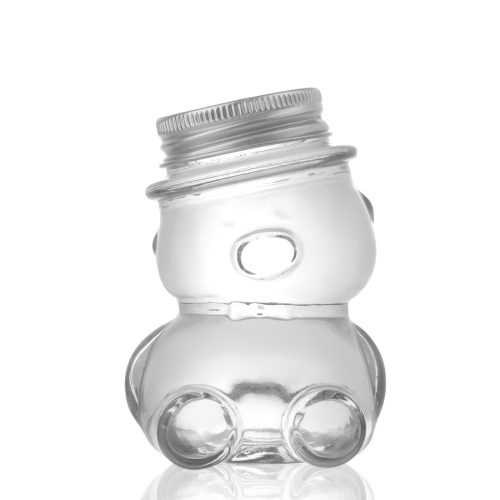
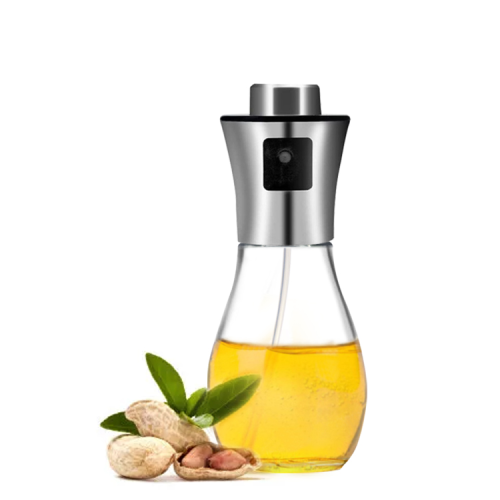
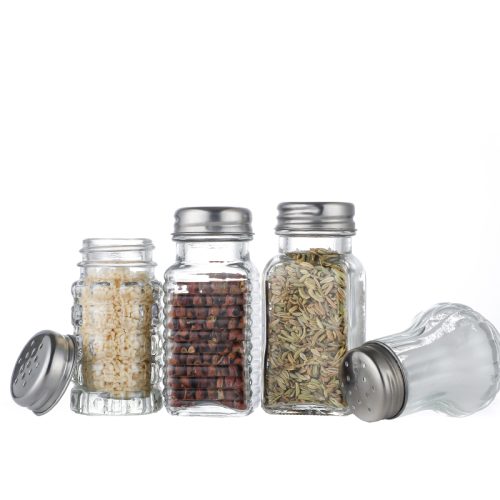
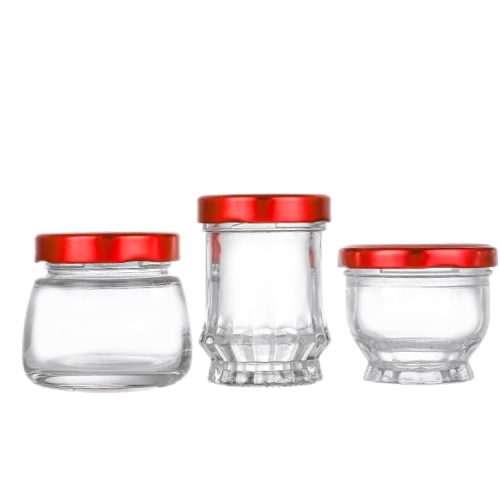
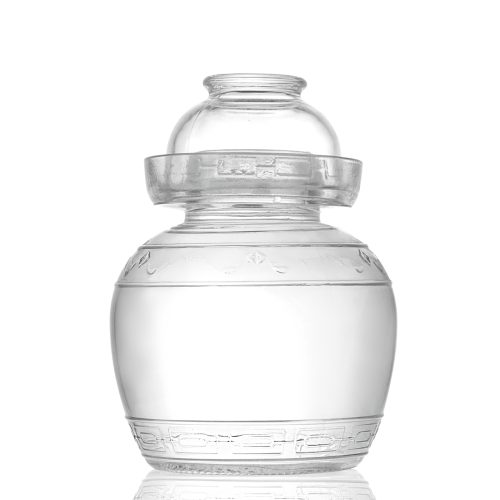
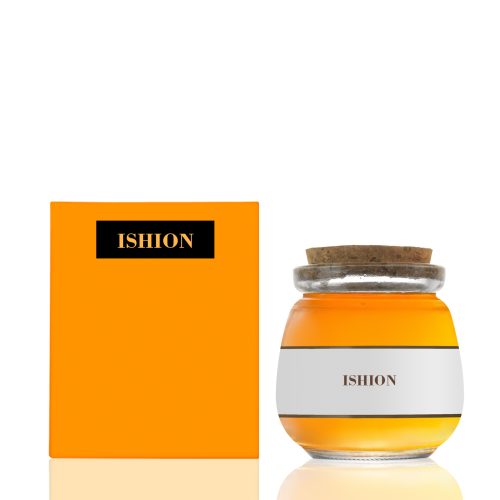
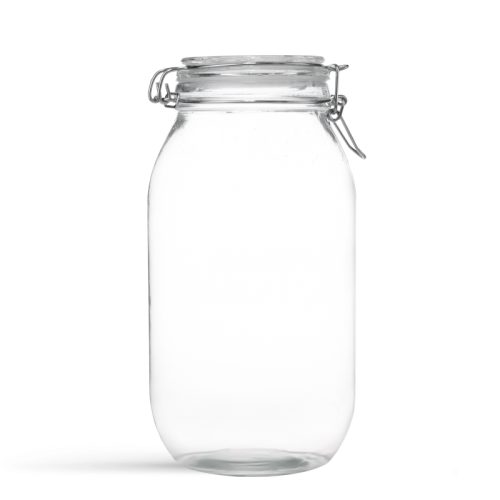
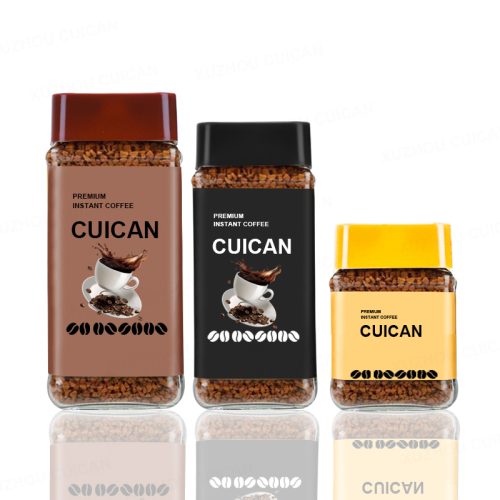
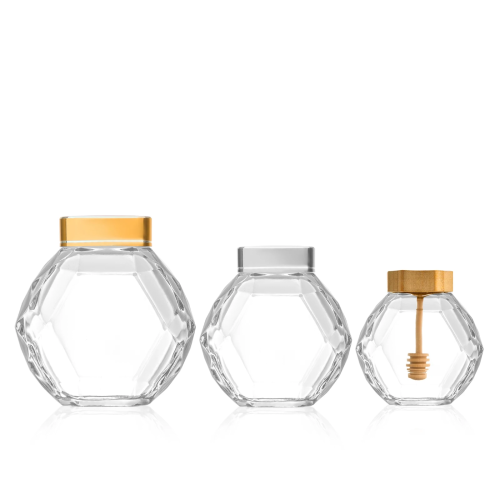
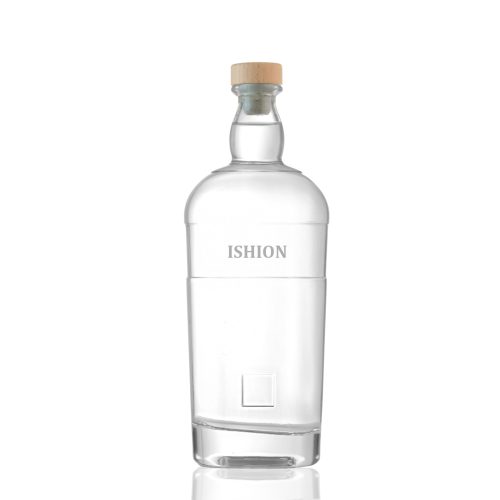
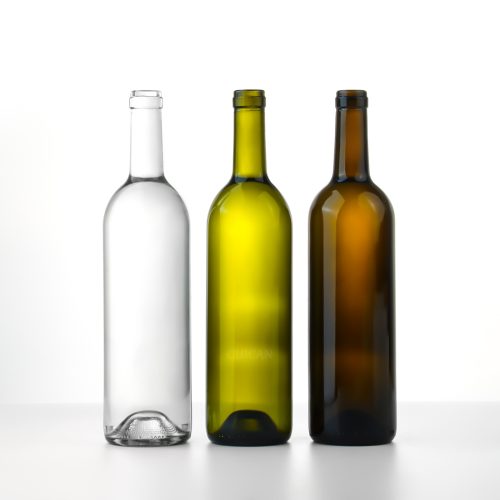
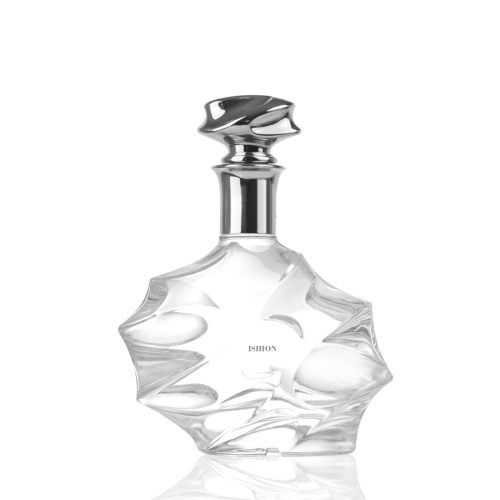
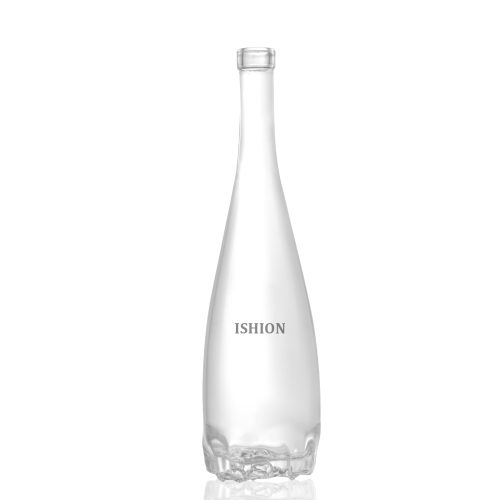
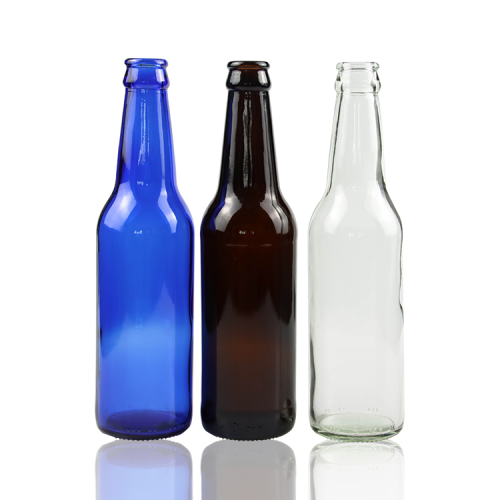
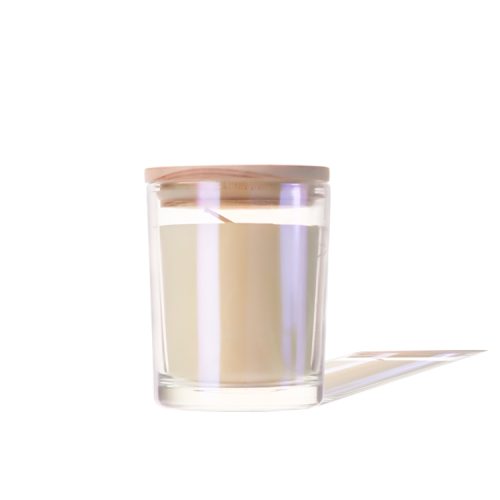
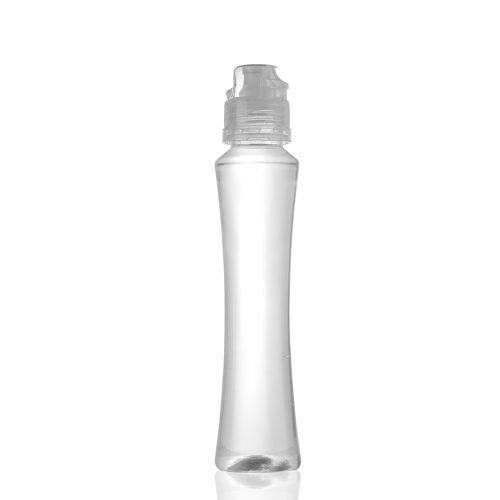
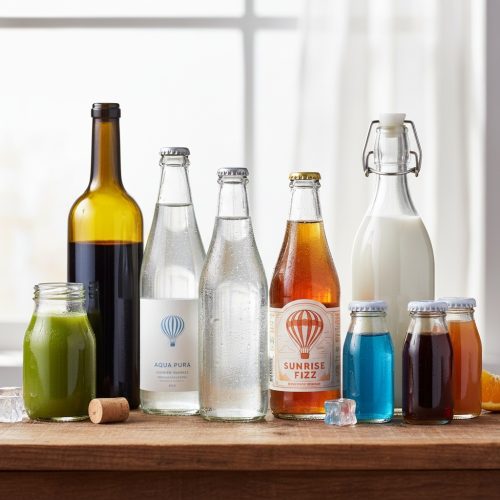
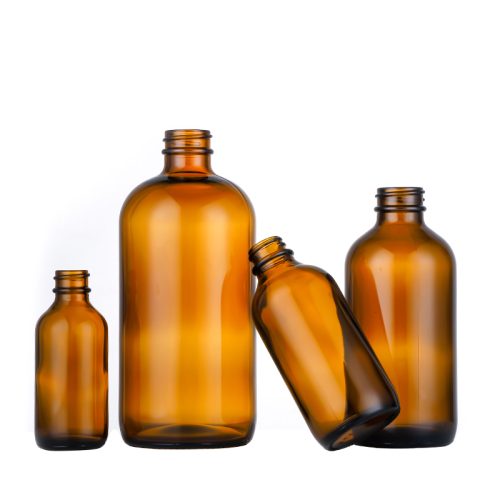
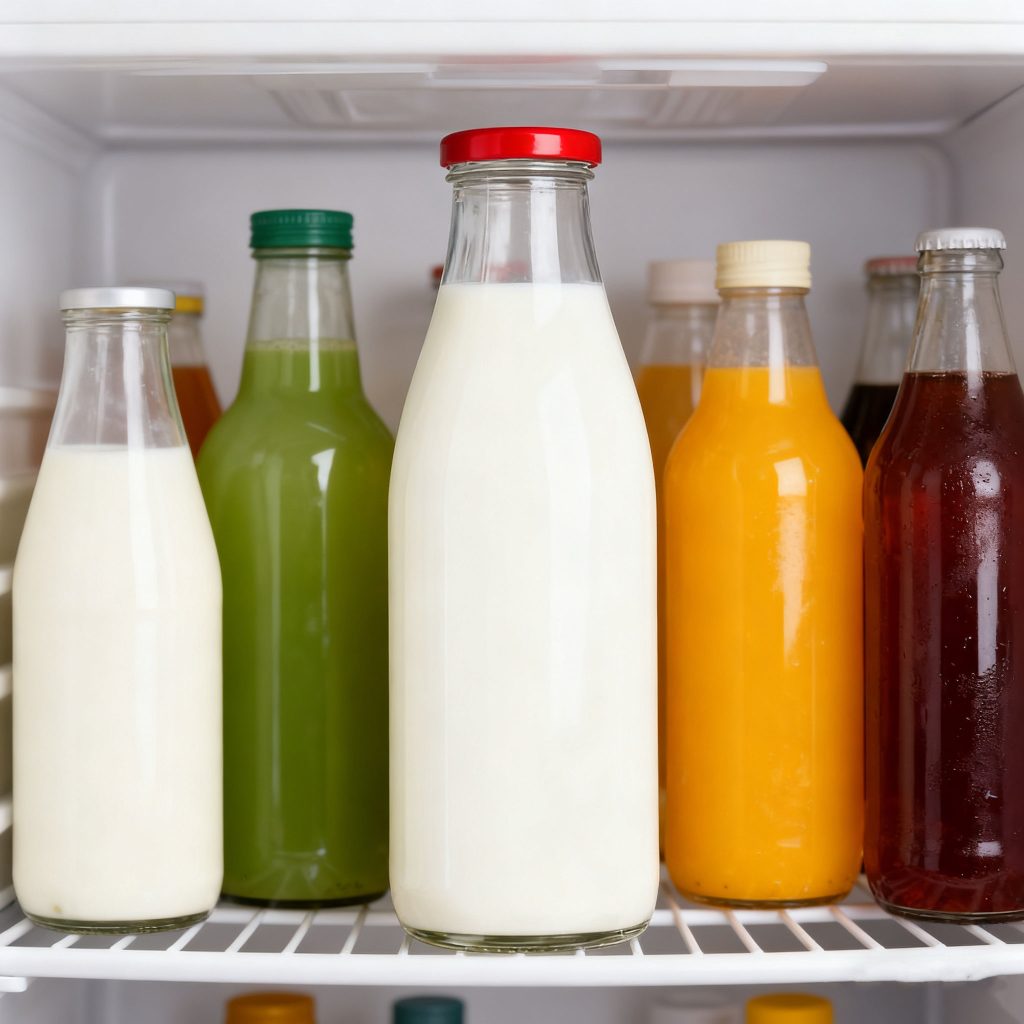
Glass bottles with lids are narrow-necked glass containers supplied with a matching closure: a screw cap, swing top, crown cap, cork, dropper or spray pump. The bottle, its neck finish and the lid work as one system, and that system decides what the container can hold, how it pours and whether it can be resealed. Retail sellers pack these in sets of 4, 6 or 8. Brands and bottlers specify them item by item, with the closure chosen to fit the product.
What Is a Glass Bottle With a Lid?
A glass bottle with a lid is a glass container with a narrow neck and a removable or openable closure that seals the opening. The closure can be a threaded cap, a clamp-style swing top, a crimped crown cap, a cork, or a dispensing head such as a dropper or pump. The glass is only half the product. The lid, the liner inside it and the neck it sits on decide whether the pack works.
A bottle differs from a jar mainly by its mouth. A bottle narrows to a neck, so it suits liquids you pour or dispense. A jar has a wide opening, so it suits products you scoop. If your product is thick or needs a spoon, wholesale glass jars with lids are usually the better fit.
Retail listings sell bottles and caps as a bundle. Buying glass bottle wholesale from a factory works the other way round: the bottle and the closure are separate, matched items, so each one is chosen deliberately.
How a Glass Bottle and Its Lid Fit Together
The neck finish is what makes a lid fit
The neck finish is the shape of the bottle’s opening: its outer diameter, the thread or lip profile, and the height of the sealing surface. A closure only fits if its inside profile matches that finish. A screw cap needs matching threads. A crown cap needs a lip to crimp under. A cork needs a bore of the right diameter.
US catalogs often label threaded necks with a two-part code. In 28-400, the first number is the neck diameter in millimetres (28 mm) and the second is the thread style: 400 describes a continuous thread of a set profile and number of turns. The same logic gives the other common sizes:
- 28-400: a 28 mm neck with a 400-style thread, typical for small and mid-size bottles.
- 33-400: a 33 mm neck, same thread style, a step wider.
- 38-400: a 38 mm neck, same thread style, common on larger bottles and wide-pour formats.
The two numbers must both match. A 28-400 cap will not seal a 33-400 bottle, and a 28 mm cap with a different thread style, such as 28-410, can look right but fail to seat. These are general US catalog conventions, so confirm the neck and closure pairing against the bottle drawing before ordering. Most mismatches trace to thread style rather than diameter, and neck finishes and closure compatibility sets out which pairings seat.
Seal and liner basics
The seal comes from the liner or gasket inside the closure pressing against the rim of the bottle. Glass is rigid and does not flex, so the lid is the usual failure point: a worn liner, a cross-threaded cap or a cork that has dried out. “Airtight” and “leak proof” on a retail listing describe an intended result, not a property of the glass. Whether a bottle and cap hold a seal depends on the product, the fill temperature, the closing torque and how the pair has been tested together.
Glass itself is chemically inert and non-porous, so it does not absorb flavors or odors. The liner is the part that touches the contents. Ask the closure supplier what the liner is made of and test it with your actual product, since oils, acids and alcohol each behave differently against liner compounds.
Types of Glass Bottles With Lids and Their Closures
| Closure | How it works | Liner or seal | Typical use | Can it be resealed? |
|---|---|---|---|---|
| Screw cap / twist-off lid | Threads on the neck engage threads inside the cap | Liner inside the cap, chosen for the contents | Sauces, syrups, juice, milk, oils, spirits | Yes |
| Swing top / clamp lid | A hinged wire bail pulls a stopper down onto the rim | Rubber or silicone gasket on the stopper | Kombucha, fermented drinks, flip-top juice and beer bottles | Yes |
| Crown cap | A metal cap is crimped around a lipped rim by a capping machine | Polymer liner compound inside the cap | Beer and carbonated drinks | No, single use |
| Cork / T-cork | A cork stopper is pressed into the bore; a T-cork has a grip head | The cork itself | Wine, spirits, small decorative bottles | A T-cork reseals; a driven cork is harder |
| Dropper | A rubber or silicone bulb and pipette sit in a threaded cap | Liner in the collar, plus the bulb | Essential oils, tinctures, serums | Yes |
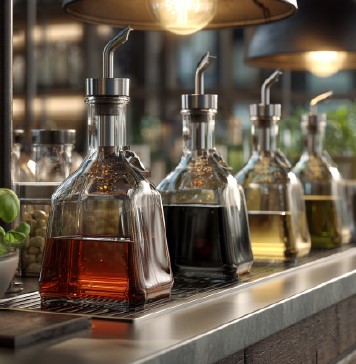
| Spray pump | A pump head and dip tube fit a threaded or crimped neck | Gasket between the collar and the rim | Perfume, room spray, olive oil sprays, lotions | Yes, as a dispensing head |
Metal and plastic caps are both common, and the material, liner and finish vary from one supplier to the next. Specify what you want and have the closure supplier confirm it against the bottle.
Each closure family has its own liner behavior and its own quick seal check:
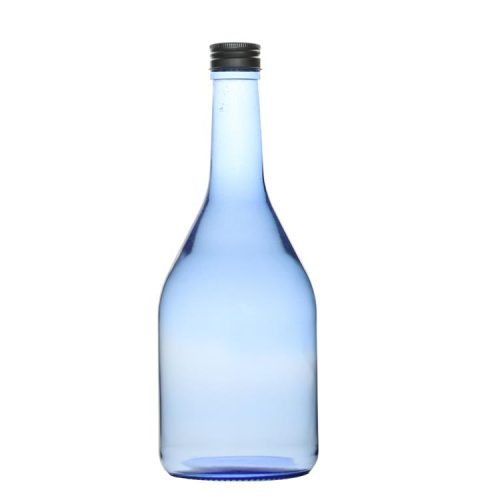
- Screw caps are the default for most liquids because they reseal and run on standard capping lines. Choose the liner for the contents: PTFE-faced or silicone for aggressive liquids, foam or poly-faced pulp for water-based products. Set the application torque with a torque tester to the cap supplier’s specification, re-measure removal torque after 24 hours, and run an inverted-bottle leak test. A 750 ml wine-style bottle with a screw cap is a common spirits and oil format.
- Swing tops suit drinks that build gentle pressure or that consumers reopen often. Check that the gasket compresses evenly when the bail closes, replace gaskets between refills, and hold a filled, closed bottle inverted to look for weeping. Swing top glass bottles come in 270 ml, 530 ml and 1,000 ml.
- Crown caps need a crowning machine, so they make sense for beer producers who already bottle at scale. Measure the crimped skirt diameter with a crown gauge and pressure-test a sample of filled bottles for carbonated products. Beer bottles are made for this finish, from glass beer bottles in standard sizes to custom shapes.
- Corks and T-corks depend on bore diameter and insertion depth. Check extraction force on a sample, and lay filled bottles on their side to test for seepage. Small bottles with cork lids in 45 ml and 60 ml suit decorative and sample formats.
- Droppers work best when the bulb material is compatible with the formula, because essential oils and solvents can swell some rubber. Soak-test a filled dropper for several days, then check for drips with the bottle inverted. Oil bottles with dropper caps pair the pipette with the bottle’s neck.
- Pumps and sprays only work if the dip tube length and neck size match the bottle. Prime the pump, count sprays to a full dose and leave a filled sample upside down to check the collar gasket. Lotion and soap formats use empty glass pump bottles, fragrance uses glass perfume spray bottles, and caps, pumps and droppers can be supplied as glass container caps matched to the bottle.
Common Sizes and What Each Is Used For
Glass bottles with lids run from about 4 oz to 64 oz at retail. Packafill makes them from 5 oz to 1 liter, with standard options at 200 ml, 375 ml, 500 ml and 750 ml, plus 12 oz, 16 oz and 32 oz. Most standard bottle bodies can be adapted to a target fill volume.
- Small bottles (5 oz to 8 oz) hold shots, syrups, extracts, samples and single-serve juice.
- Mid-size bottles (12 oz to 16 oz, or 350 to 500 ml) carry milk, juice, cold brew and kombucha. The band includes 16 oz glass milk bottles and the wider range of glass beverage bottles.
- Large bottles (750 ml to 1 liter) serve spirits, wine-style products and family-size milk and juice. The 1 liter glass bottle is the top of the standard range.
- Cooking oil bottles come in dark or clear glass across several capacities, as olive oil bottles.
Glass Types and Colors
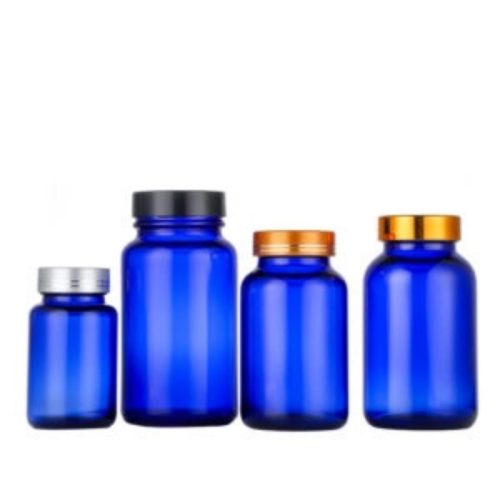
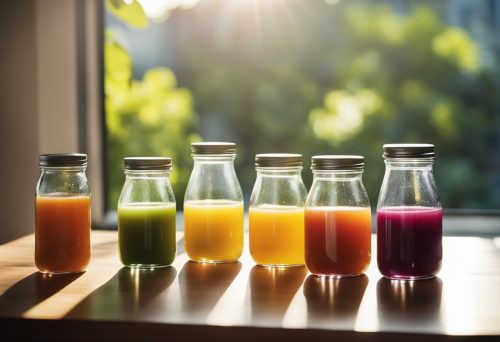
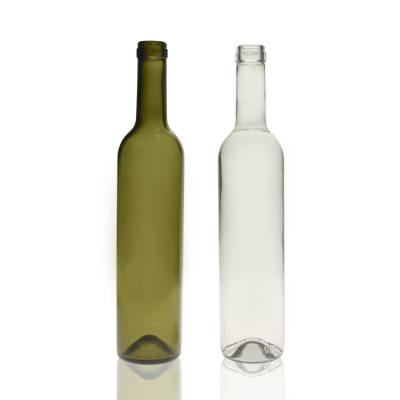
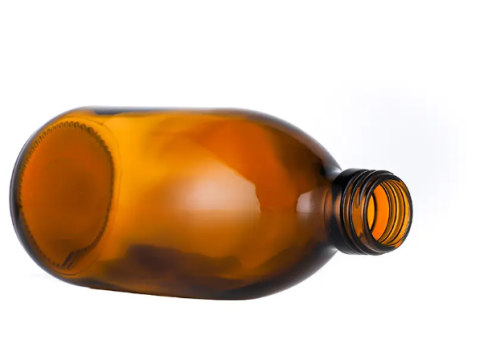
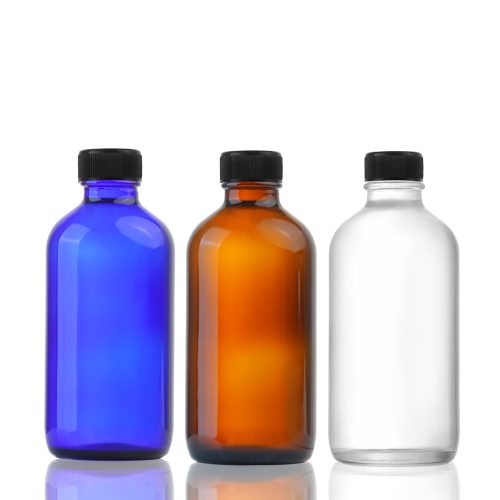
Packafill makes soda-lime glass in clear (flint), amber, cobalt blue and green, plus frosted finishes. Color changes what the bottle protects. Amber and other dark glass filter light, which matters for oils, tinctures and other light-sensitive contents, so amber glass bottles and jars are the usual choice there. Clear glass shows the product, which suits juices, spirits and anything where appearance sells.
Some retail water bottles are marketed as borosilicate glass, which behaves differently from soda-lime under heat:
- Thermal expansion: borosilicate expands at roughly 3.3 × 10⁻⁶ per kelvin, while soda-lime expands at roughly 9 × 10⁻⁶. Soda-lime changes size almost three times as much for the same temperature swing, so it builds up more internal stress.
- Thermal shock: commonly quoted tolerance is a sudden temperature difference of roughly 40 °C for soda-lime and 150 °C or more for borosilicate. These are general material figures, not a specification for any particular bottle, and wall thickness and shape change the result.
- Hot-fill: soda-lime bottles can be hot-filled only within a temperature the specific bottle and closure have been tested for. Pouring boiling liquid into a cold soda-lime bottle, or chilling a hot-filled one quickly, is where cracks start. Validate the fill temperature on the actual bottle rather than assuming it.
- Dishwasher use: borosilicate drinkware is built for repeated hot washes. Repeated hot dishwasher cycles are harder on soda-lime and on printed, sprayed or frosted decoration, so test wash cycles on a decorated sample if reuse matters to your customers. The cap’s liner and any plastic parts have their own limits.
Match the glass to the filling and storage conditions you actually have, and state your fill process when you ask for a quote.
Glass Bottles vs. Glass Jars With Lids: Which Do You Need?
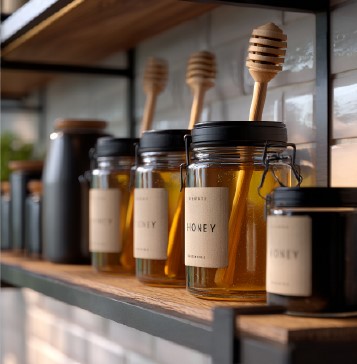
A simple rule decides it. Pourable liquids, sauces and beverages go in a bottle. Scoopable, thick or wide-mouth products go in a jar: honey, pickles, spices, jam and desserts. A jar’s wide mouth also makes it easier to fill with solids and easier for the end user to reach into.
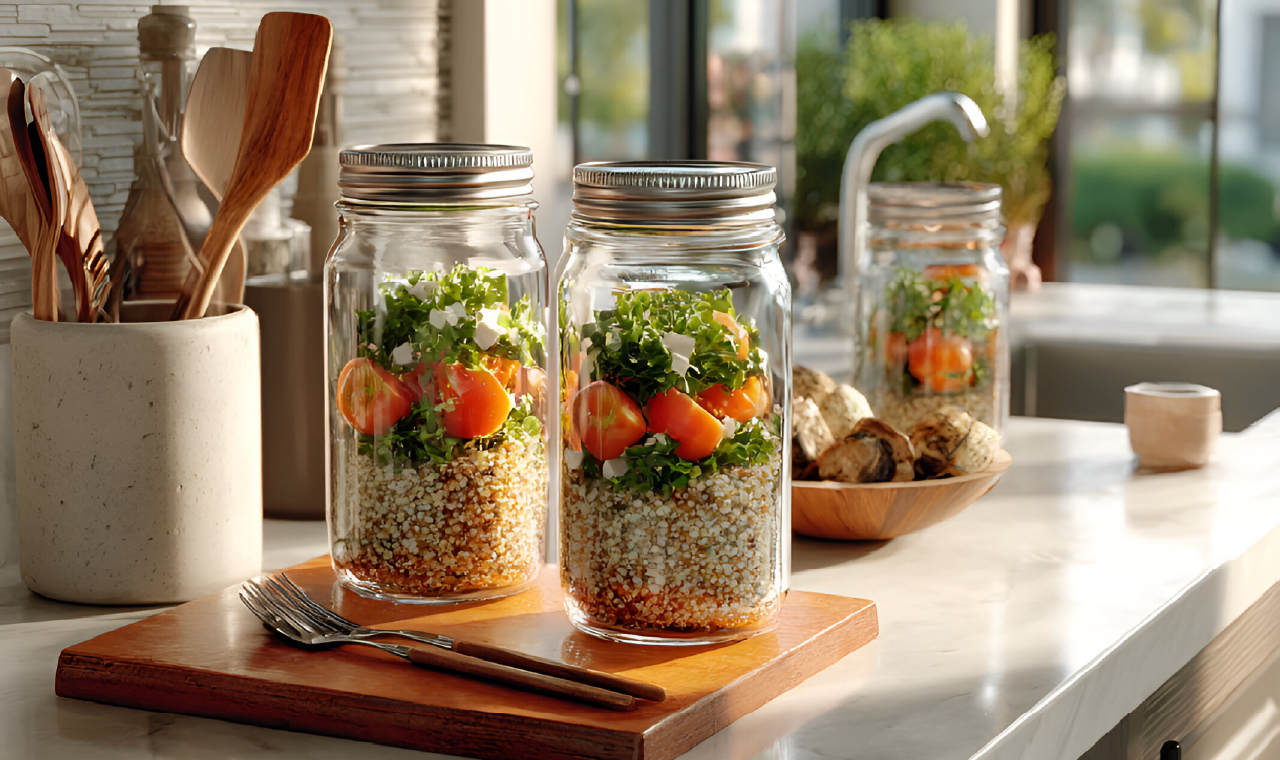
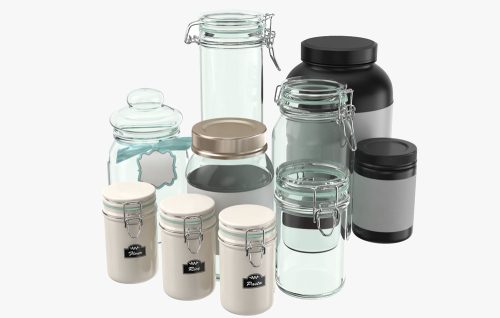
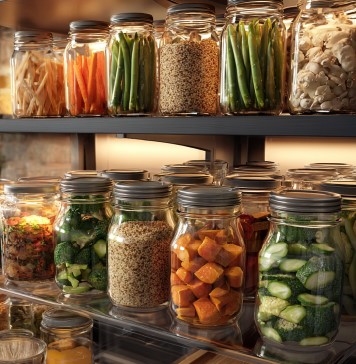
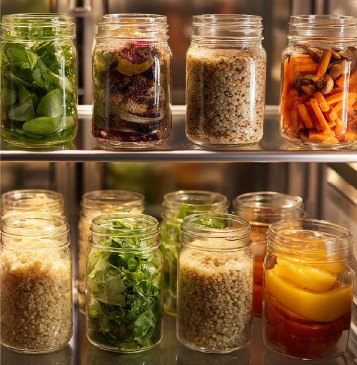
Scoopable products are packed in wholesale glass jars with lids. Layered salads, drinks and dry goods also go in mason jars in bulk, and honey brands use glass honey jars.
Benefits and Downsides of Glass Bottles With Lids
Downsides
Glass has real drawbacks, and a packaging decision should account for them:
- Weight: a glass bottle weighs far more than plastic or a can, which raises freight per unit.
- Breakage: glass breaks on impact, so cartons need dividers and careful palletising. Transit damage is a packing problem as much as a glass one, and preventing glass bottle breakage during shipping comes down to carton layout and pallet wrapping.
- Lid wear: liners compress and threads wear, so the closure is the part that needs replacing, not the bottle.
- Capping-line fit: the closure must suit your filling equipment, and changing closure type can mean changing machinery.
Why glass bottles are still widely used
Glass bottles never went away. Plastic and cans took share in some beverage categories, but glass remains the standard container in many food, beverage, cosmetic and pharmaceutical segments. Glass is rigid, inert, does not absorb flavors, comes in many colors and shapes, and gives a premium shelf presence. Brands choose it for those reasons, usually accepting the weight in exchange.
How to Choose the Right Glass Bottle and Lid
- Product type: thin liquid, viscous sauce, carbonated drink, oil or fragrance. This sets the closure family.
- Volume: pick a standard capacity first; standard bodies can be adapted to a target fill volume.
- Closure type: match the closure to your filling line, to how the consumer will open and reseal it, and to the bottle’s neck finish, including both the diameter and thread-style numbers.
- Glass colour: clear for display, amber or dark for light-sensitive products, cobalt or green for brand identity.
- Decoration: plain, labelled, printed, frosted or embossed, which also determines the MOQ tier.
If the checklist points to a wide mouth rather than a neck, move to wholesale glass jars with lids. If it points to a fully custom shape or colour, request a quote with your drawings or references.
FAQ
What is a glass bottle with a lid?
In packaging terms, what is glass bottles with lids as a category? It is narrow-necked glass containers sold with a matching closure, such as a screw cap, swing top, crown cap, cork, dropper or spray pump. The neck finish on the bottle must match the closure, because bottle and lid function together as one sealing system rather than two independent parts.
What is the best glass bottle brand?
No single brand is best. Fit depends on closure type, size, glass colour and what you fill. A consumer brand name says little about whether a bottle suits your line. For businesses, the manufacturer’s quality checks matter more: dimensional checks, capacity checks, and confirming the neck finish and closure fit before shipment.
Why are glass bottles not used anymore?
They still are. Plastic and cans took share in some beverage categories because they are lighter and cheaper to ship, but glass remains standard across many food, beverage, cosmetic and pharmaceutical products. Brands keep choosing it for rigidity, colour range, clarity and shelf presence, accepting the extra weight and breakage risk.
What are the downsides of using glass water bottles?
The main downsides are weight, breakage, shipping cost and lid wear. A glass bottle is heavier than plastic and can break on a hard drop. The closure’s liner and threads wear before the glass does, so lids need replacing. Shipping glass also costs more per unit and needs protective packing.
What are the healthiest bottles to drink from?
Glass is chemically inert and non-porous, so it does not absorb flavors or odors, which is why many people choose it over plastic. The lid and liner also touch the drink, so check what the liner is made of and clean both the bottle and the cap regularly. This is general information, not medical advice.
Are glass bottles with lids airtight?
Not automatically. The seal comes from the liner or gasket in the closure pressing against the rim, so it depends on the closure type, the liner, the neck finish match and how firmly the lid is closed. Glass itself does not leak. Test the actual bottle-and-cap pair with your product and filling process.
How do I choose the right lid for a glass bottle?
Start with the neck finish, since the closure must match both its diameter and its thread or lip profile: a 28-400 cap needs a 28-400 neck. Then choose by function: screw cap for resealing, crown cap for carbonated beer on a capping line, swing top for repeated opening, dropper or pump for dispensing.
Can I buy glass bottles with lids in bulk or wholesale?
Yes. Packafill supplies stock bottles and jars to brands, distributors and importers, with several items and sizes mixable in one order, closures matched to the neck finish, and free stock samples. Bulk orders ship by ocean freight in export cartons or on pallets, and air freight is available for urgent or small orders.
Can you get custom or decorated glass bottles with lids?
Yes. Decoration options include screen printing, hot stamping, decal, frosting, spray coating, embossing and labelling. Custom colours, new shapes through a private mould, and matched caps, pumps and droppers are available, and Packafill can help prepare design drawings. Minimum quantities rise with each level of customisation.
Ordering Glass Bottles With Lids From the Factory
| Retail sets | Factory-direct | |
|---|---|---|
| Quantity | Packs of 4 to 8 | Per item; mixed sizes in one order |
| Closure | Fixed, as supplied | Matched to the neck finish and product |
| Decoration | None | Screen printing, hot stamping, decal, frosting, spray coating, embossing, labelling |
| Custom shape | No | Private mould available |
Packafill has made moulded glass bottles and jars for export markets for 15+ years. Terms for stock and custom orders:
- MOQ: 1,000 pcs per item for stock bottles and jars, with several items and sizes mixable in one order. Decorated orders on stock shapes start at 5,000 pcs per design. Custom glass colour on an existing mould and private moulds start at 20,000 pcs.
- Lead time: 7-15 days after deposit for stock items, and about 30 days after deposit for decorated orders.
- Samples: stock samples are free, with the buyer paying express freight; they ship in 3-5 working days. Decorated or logo samples take 8-15 days.
- Payment and trade terms: 30% T/T deposit and 70% balance before shipment, on EXW, FOB Shanghai or CIF terms.
Private moulds run longer: mould making takes 25-35 days, then sample approval, then 30-45 days of mass production. MOQ, samples and lead times for custom bottles lays out each step. Price per piece moves with glass weight, colour, closure and decoration, and glass bottle wholesale cost breaks those drivers down. New shapes and drawings go through custom glass bottle manufacturing.
To start, name the bottle volume, attach a photo or drawing of the shape, state the order size, and say which lid type and print or frosting you need. Send it through the quote form or by WhatsApp on +86 186 0568 5636, and Packafill replies with a quotation and a drawing where relevant.